Heatwave of the 'Era of Interest Rates' Rattles Global Markets: Fed Rate-Hike Hints and BOJ Speculation Signal End of Ultra-Easy Money
Seismic Shift as US and Japanese Yields Surge Simultaneously—Pressuring Nikkei to 38,450 and S&P 500 to 5,640 Amid Shifting Capital Currents
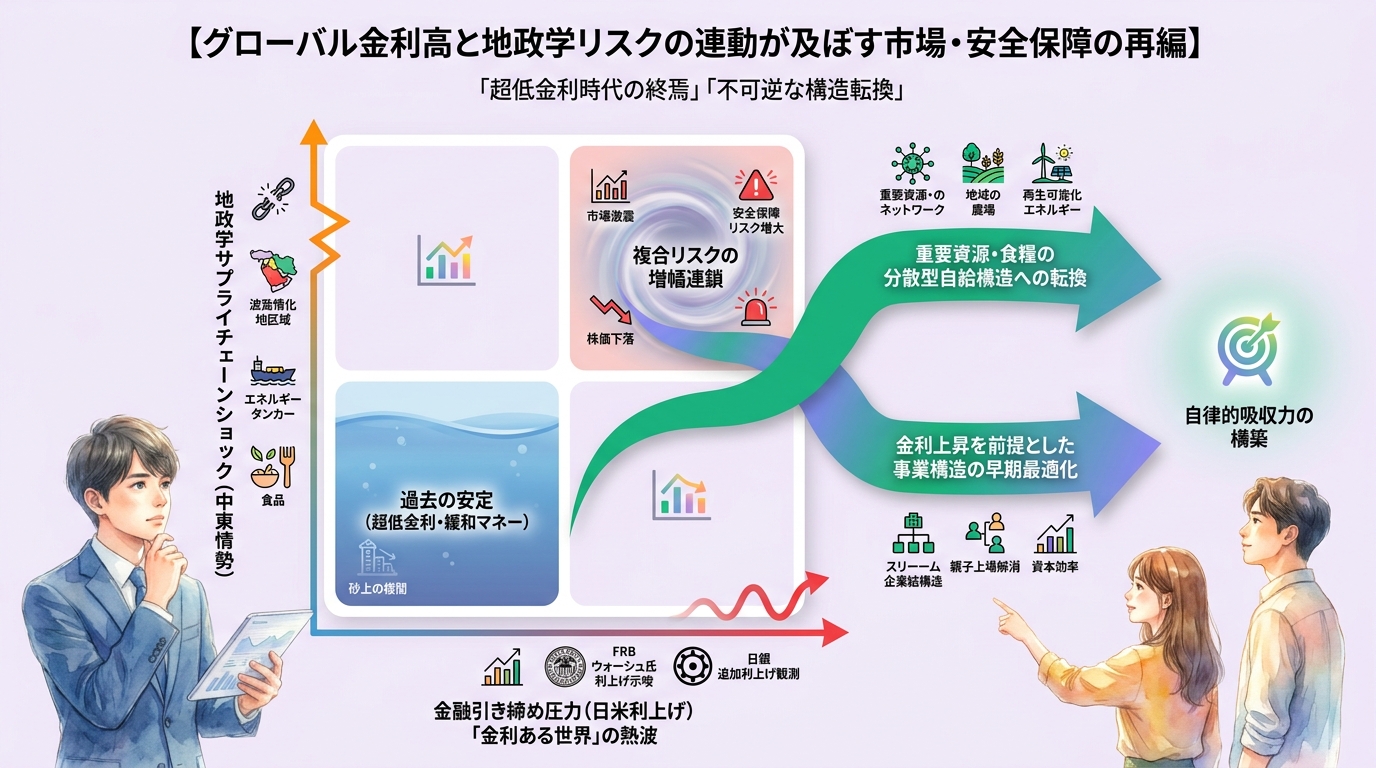
The volatility that swept through financial markets this morning underscores how anxiety surrounding monetary policy in both Washington and Tokyo has simultaneously reached a boiling point. In New York, hawkish signals suggesting higher rates from Mr. Warsh served as the catalyst for risk-off liquidation, pulling the S&P 500 down to 5,640 points. Echoing this retreat, Tokyo saw a resurgence of speculation over an early BOJ rate hike, propelling the yield on newly issued 10-year Japanese government bonds briefly to 2.95%—a milestone high not recorded for nearly thirty years. Even crypto assets, long buoyed by surplus liquidity, saw Bitcoin soften to $64,200, as the dual pressure of rising US and Japanese yields aggressively forces a comprehensive repricing across all asset classes.
At the core of this seismic shift lies the dismantling of the long-standing central bank safety net that shielded market floors with endless liquidity. In Japan, yields climbing to 2.95% signal a fundamental upheaval of a domestic capital allocation mechanism that had grown complacent under zero-interest-rate regimes. Corporations can no longer predicate capital expenditure or M&A strategy on 'virtually cost-free capital'; instead, they face rigorous demands to discipline investments around return on equity (ROE) and verifiable profitability. Concurrently, renewed hawkish undertones in the US indicate that monetary tightening aimed at curbing sticky inflation will be prolonged, directly straining global debt structures through contracting liquidity and escalating funding costs.
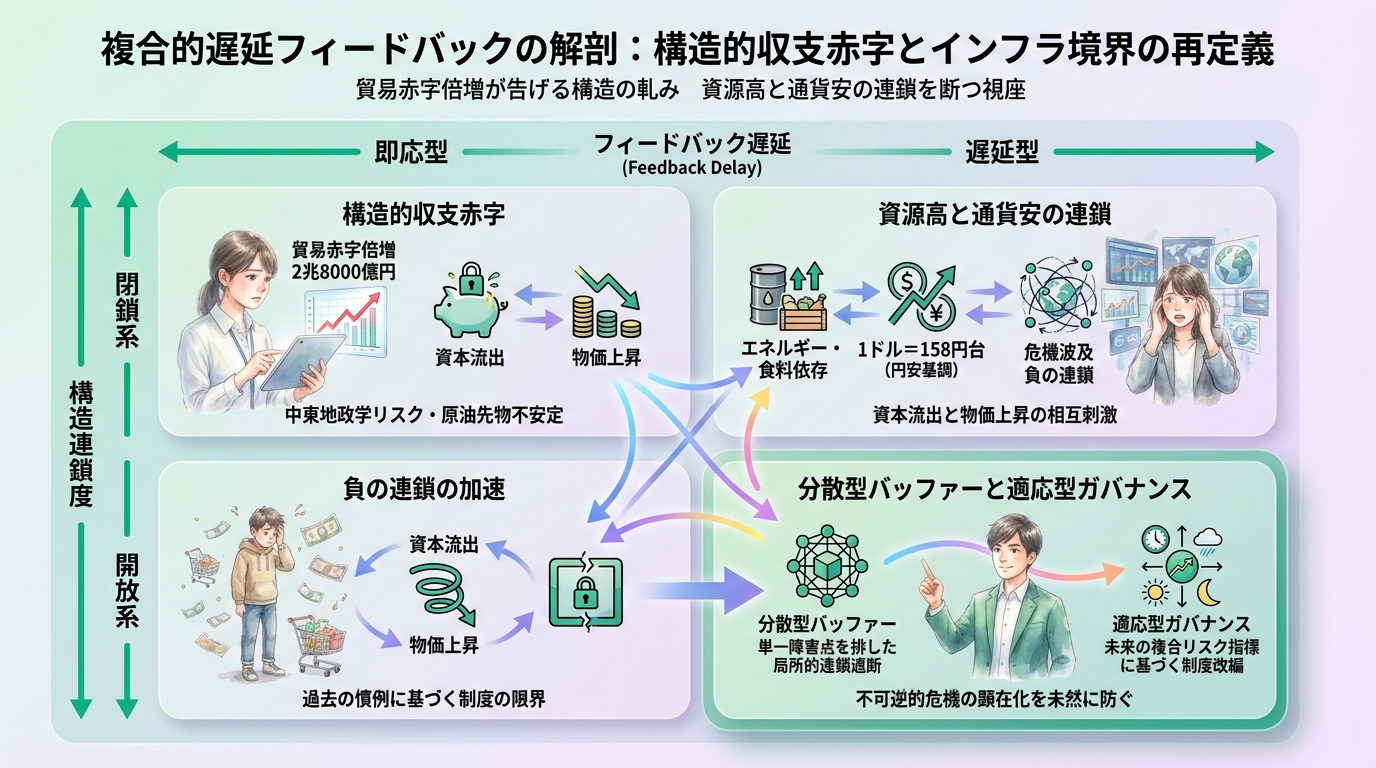
The reverberations of rising yields extend far beyond the positive margin expansion for financial institutions, spilling over into broad swathes of the real economy. Elevated cost of capital directly hits upfront investments in startups and research-intensive enterprises, forcing a transition toward an era where predictable cash flow generation reigns supreme. Fears of climbing mortgage rates threaten to dampen household consumer confidence, while the dollar's retreat to the 154-yen range subjects small and medium-sized enterprises to the dual burden of elevated import costs and rising debt-servicing burdens. Across creative industries and the technology sector, stringent evaluations of capital efficiency are now mandatory, rendering a pivot from quantitative expansion to qualitative depth an urgent imperative.
What markets confront today is not a routine cyclical correction, but a profound return to a world where capital carries a proper price. As the policy trajectories of the BOJ and the Fed intersect, market participants must rebuild business and investment strategies premised on elevated interest rates. While the process of purging bubble-era valuations reliant on excess liquidity will bring inevitable pain, it remains a necessary crucible to forge a healthier economic landscape where genuinely value-accretive enterprises are justly rewarded. On this new macroeconomic horizon marked by shifting US-Japan interest rate dynamics, investors and executives alike must refine their risk management precision while sharpening the intellectual acuity required to identify true innovation.