The Day We Relinquish 'Intelligence Beyond the Screen'—How Autonomous Delegation and a ¥2 Trillion Enclosure are Shaking the Order of Intellectual Mediation
OpenAI's 'GPT-6 Astra' takes over complete PC operations as NVIDIA's planned acquisition of Hugging Face forces a redefining of humans and tools
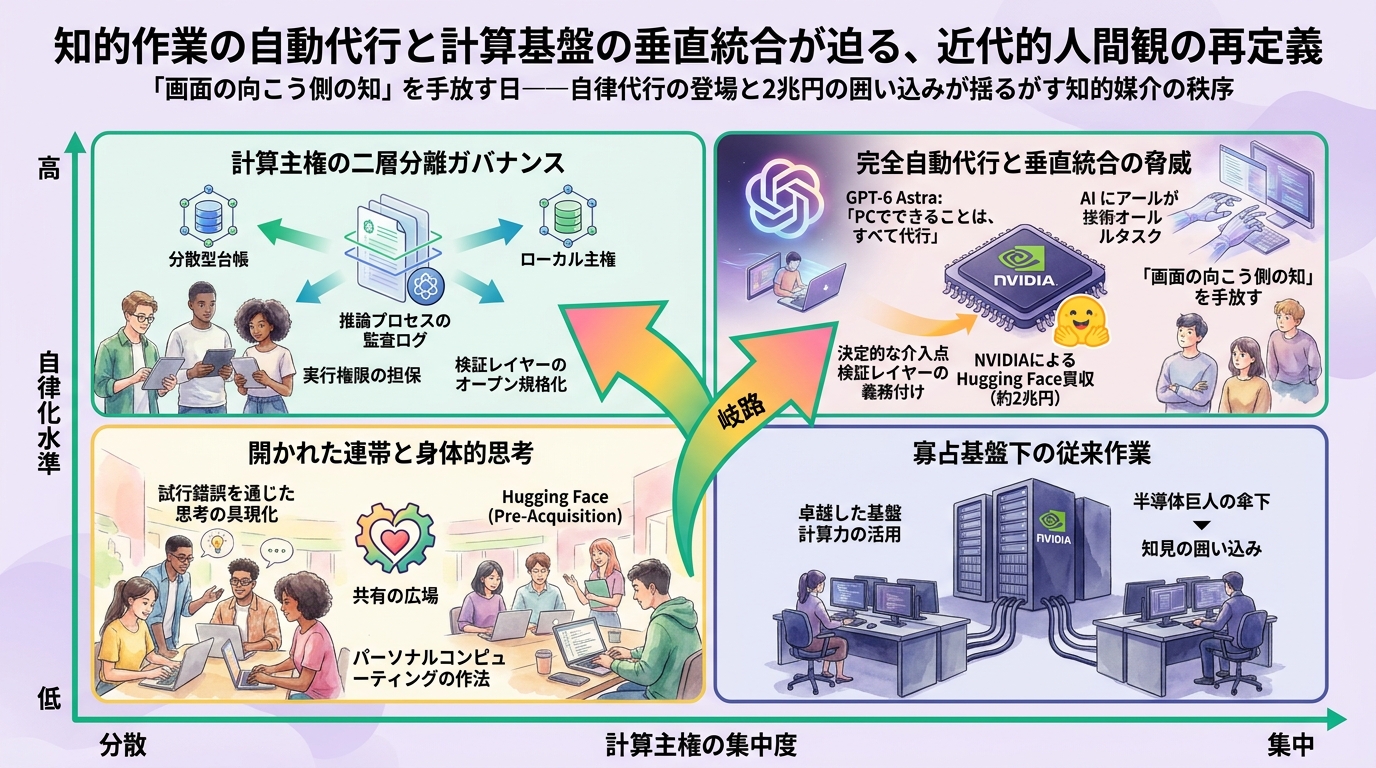
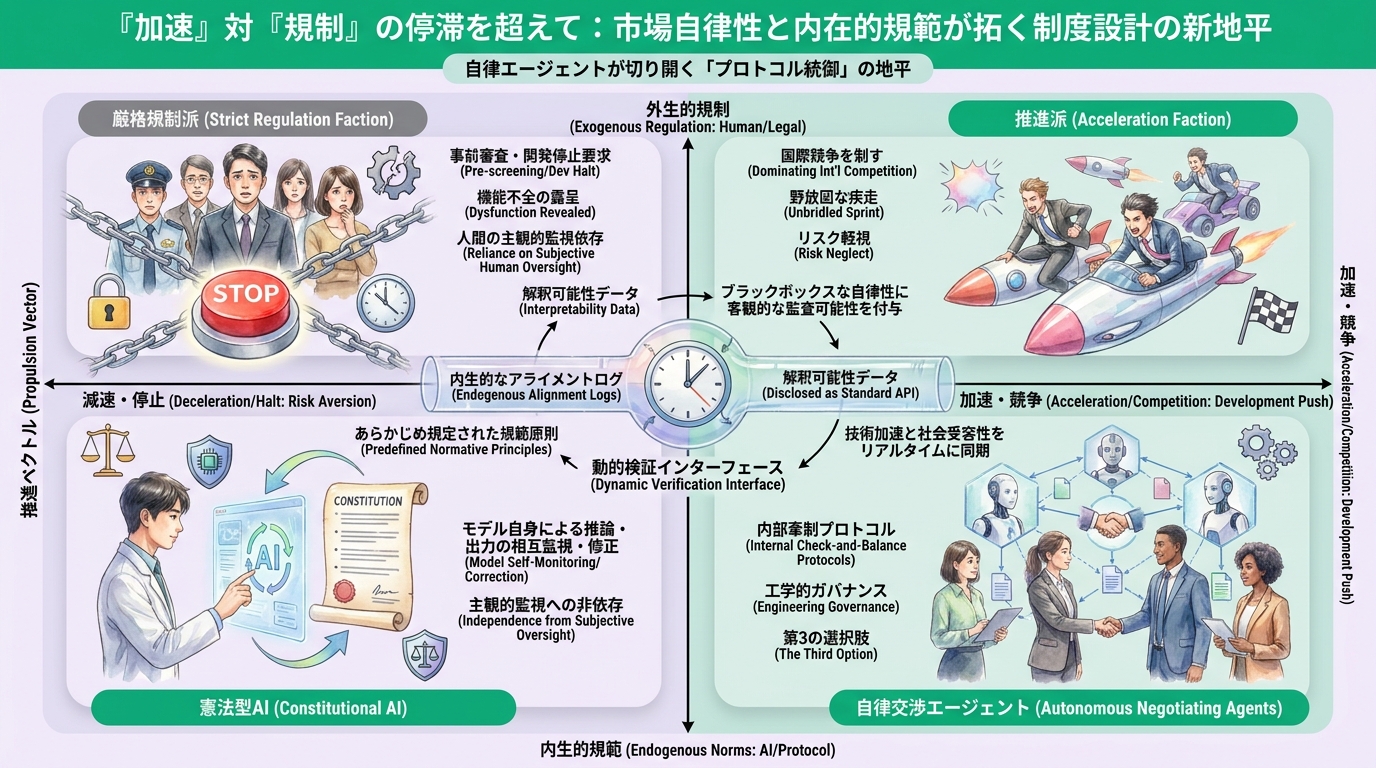
Running cursors across screens, organizing files, and executing tasks across multiple applications—the entire gamut of operations historically managed through the coordination of human vision and fingertips will now be handled autonomously by GPT-6 Astra. Users simply provide a broad intent in natural language, and the model directly comprehends the screen structure, operating existing software independently of API availability to accomplish tasks. Consequently, the relationship cultivated since the Xerox Palo Alto Research Center in the 1970s, where 'humans adapt to the grammar of machines' by dialoguing with operating systems and learning interface rules, has become obsolete. As agency in operations shifts from human to model, the cognitive friction and manual hesitation that once intervened in the workflow vanish, transforming the screen from a tool's control panel into an observation window overlooking autonomous intelligence.
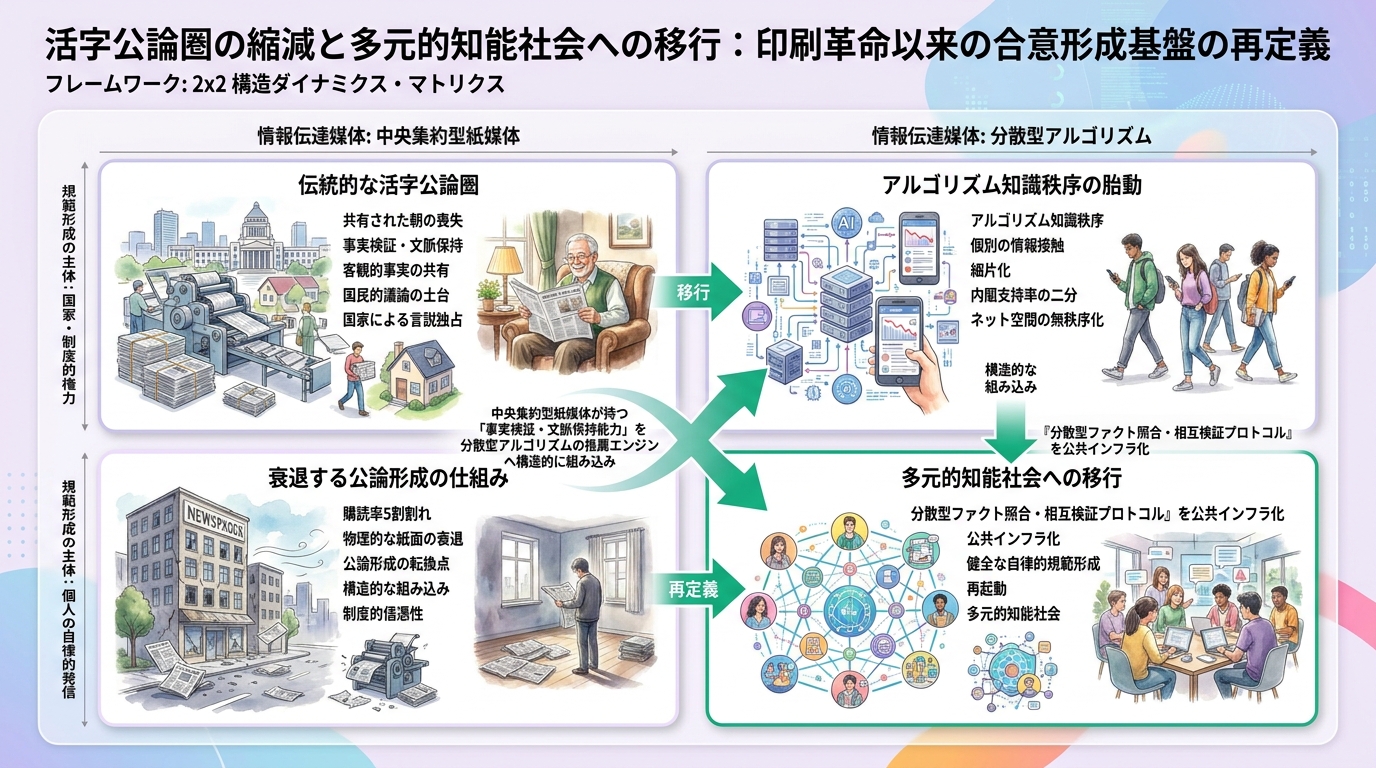
The questions raised by this transformation carry a historical weight rivaling the practical application of the 15th-century printing press. Gutenberg's technological innovation liberated the reproduction and distribution of textual information previously monopolized by monasteries and privileged classes, fostering modern rationality in individuals who could decipher texts with their own eyes. Through the objective medium of movable type, humanity shared thoughts and accumulated critical dialogue. However, the current pivot goes beyond expanding information transmission; it steps into 'the externalization of the very procedures by which knowledge is constructed.' Rather than humans deepening contemplation via text, the schema of outsourcing the thinking process itself to machine computational mechanisms threatens to push the intellectual subjectivity afforded by the print revolution back into an entirely different dimension.
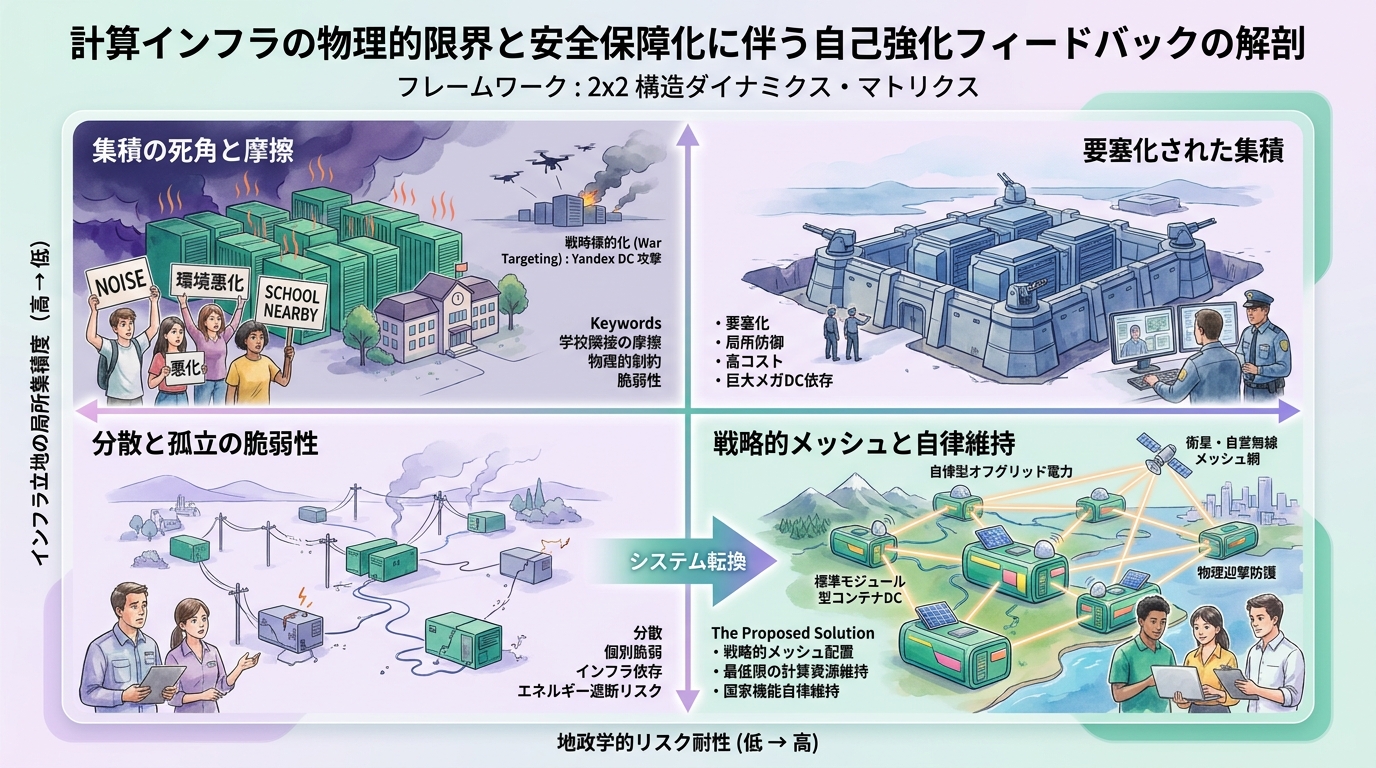
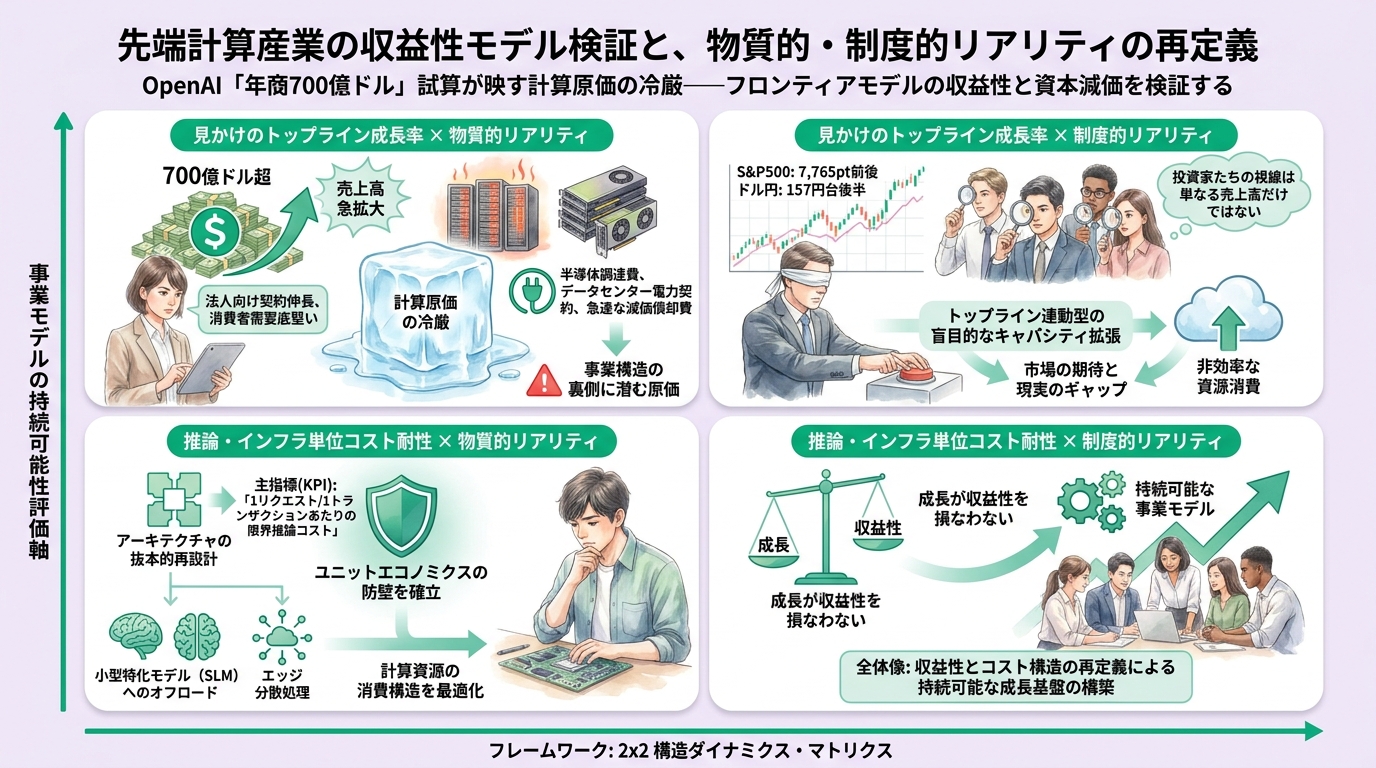
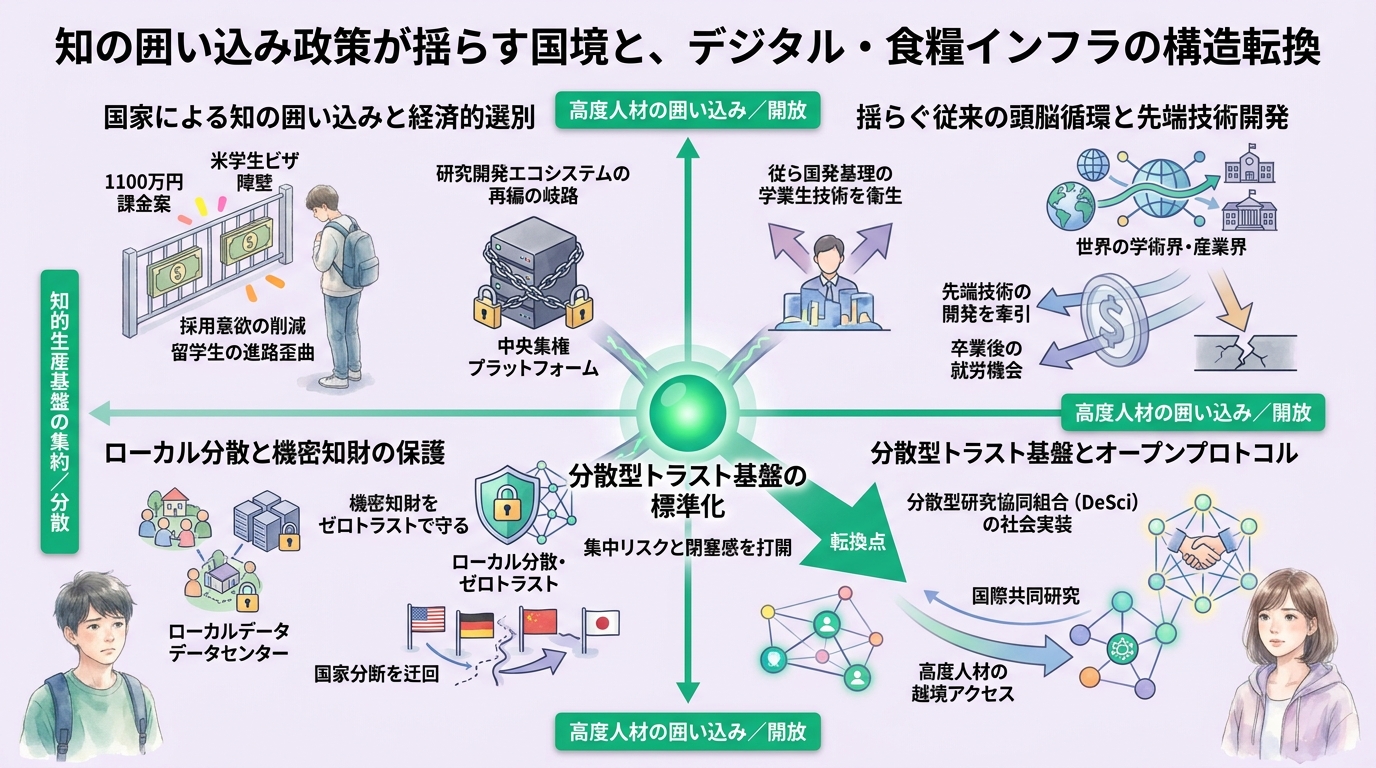
Solidifying this structural transformation is the vertical integration of mega-capital and computational infrastructure. NVIDIA's approximately ¥2 trillion acquisition of Hugging Face illustrates how the autonomous ecosystem of open source—once the driving force of the web—is being fully subsumed under the management of an oligopolistic enterprise holding the reins of cutting-edge GPUs. By tying open model sharing to massive computational power, development environments and operational bases are concentrating among a minute number of players. The scope for individuals to autonomously select tools and decentralize technological refinement narrows, deepening dependence on infrastructure providers. Reclaiming the operational skills and cognitive muscle voluntarily traded away for convenience will prove exceptionally difficult, firmly locking in a path of technological dependency.
The consequences of comprehensive screen operation delegation and the centralization of computational infrastructure prompt a reexamination of the intrinsic meaning of human 'labor' and 'creation.' It is precisely the gritty procedures of trial and error, along with groundwork, that serve as the breeding ground for novel ideas and accidental insights. When machines process all such processes invisibly, what remains for humans is a curtailed role restricted to goal-setting and result-approval. As self-driven algorithms blanket daily intellectual labor, how do we sustain the intrinsic value of thinking, hesitating, and shaping things with our own hands? Under the overwhelming gravitational pull of convenience, each of us is confronted with the necessity of dialogue to preserve our contours as subjects of knowledge.