OpenAI's $70B Revenue Forecast Exposes Harsh Unit Economics: Verifying Frontier Model Profitability and Capital Depreciation
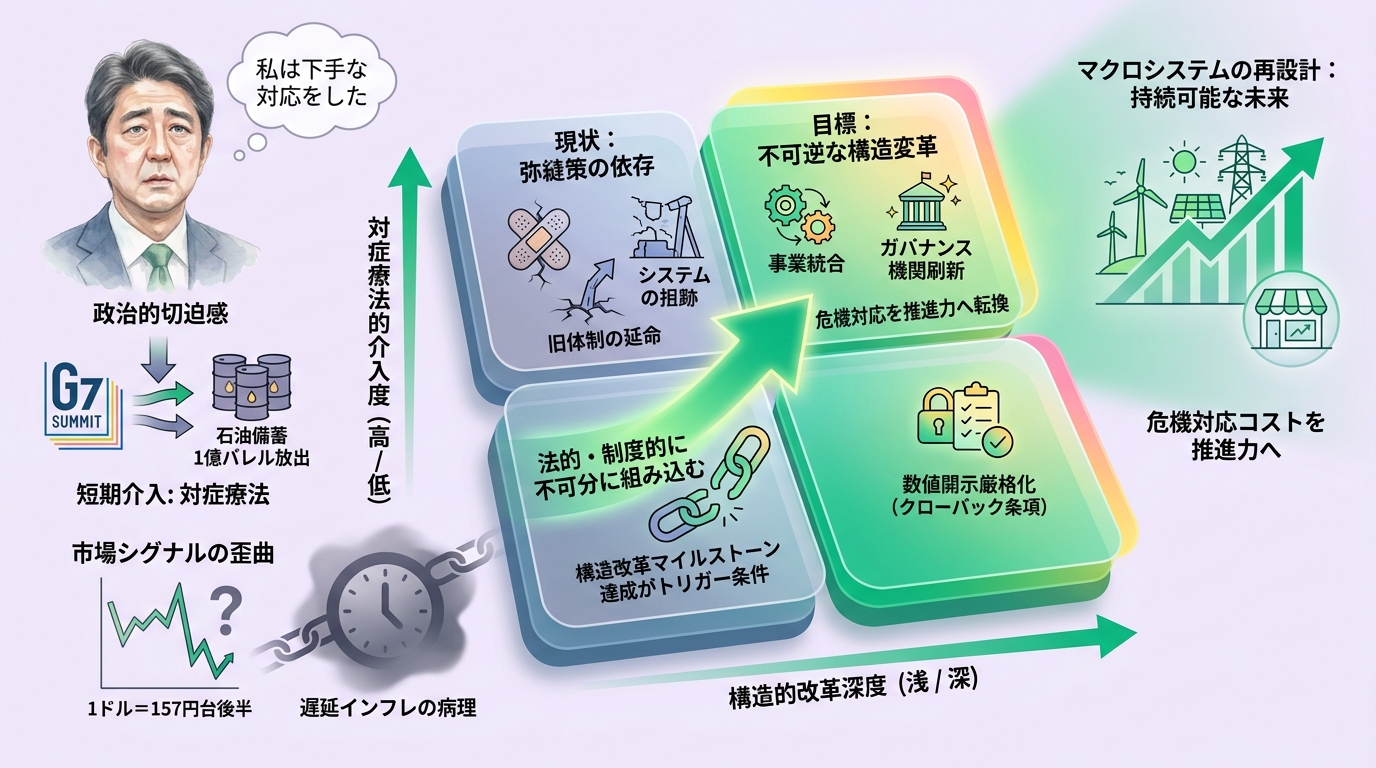
Annualized sales targets revealed by Bloomberg underscore mounting inference infrastructure expenses and capital expenditure realities behind soaring top-line growth
The $700 billion annualized outlook conveyed by Bloomberg traces a trajectory distinct even from growth curves in the traditional software industry. It is an objective fact that the proliferation of monthly subscription models and deeper integration into corporate core systems via API provisions have steadily piled up absolute sales values. However, the premise of "zero marginal cost" historically attributed to legacy software businesses does not apply to advanced AI commercial models. While traditional cloud services benefit from economies of scale where operating profit margins surge alongside sales expansion, front-line model operations tie increased usage directly to massive inference computation costs. A giant revenue forecast is simultaneously the flip side of bearing colossal operational expenditures.
Deconstructing the internal behavioral mechanics of these models makes the divergence between revenues and expenses even starker. Recent reasoning models have shifted toward designs that heavily utilize inference-time computation—autonomously deploying thought processes to test multiple hypotheses rather than simply outputting the next token based on pre-trained weights. While this methodology improves response accuracy, it multiplies the computational tokens consumed per query by several to dozens of times. Consequently, state-of-the-art GPU clusters must be kept running at full capacity 24 hours a day, driving hardware power consumption and cooling loads ever higher. The very algorithms achieving sophisticated response performance inherently accelerate the server cost structure for providers.
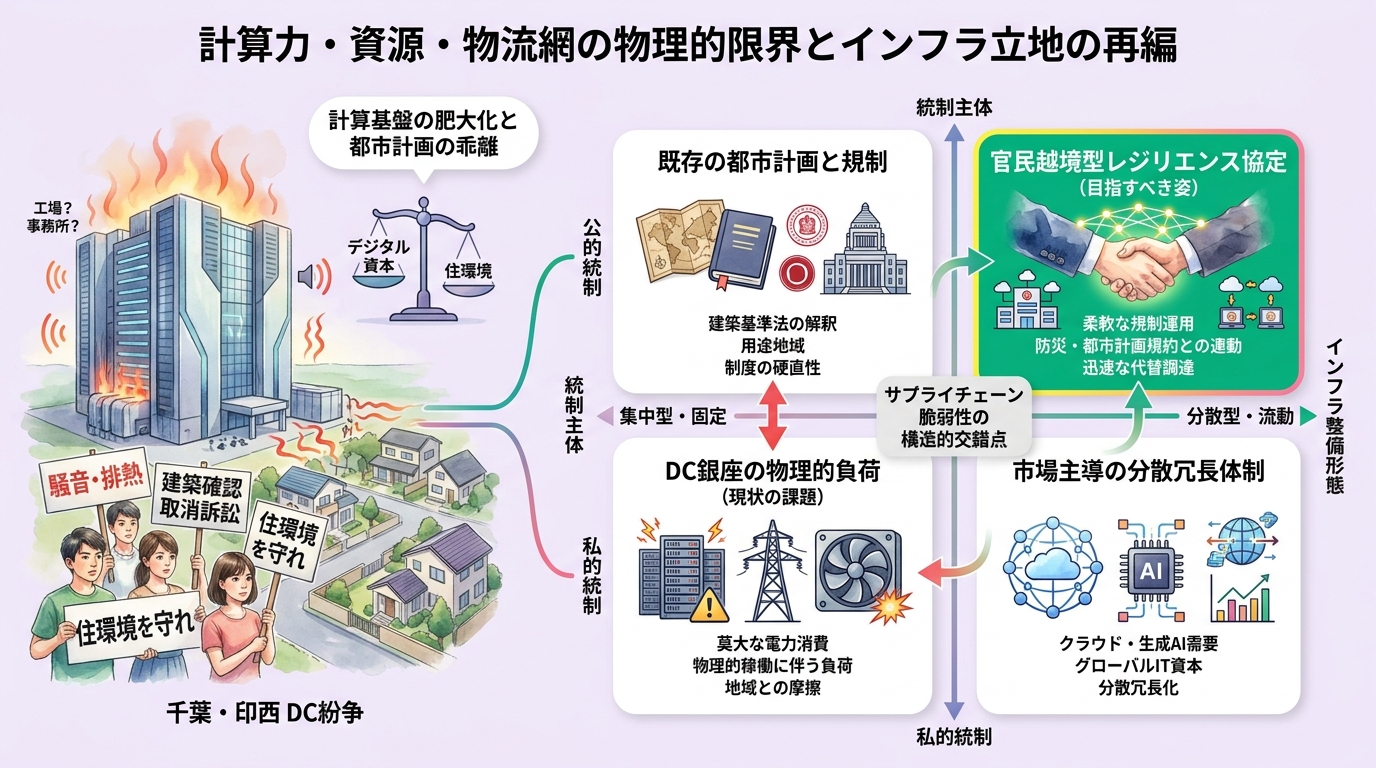
Furthermore, business sustainability is constrained by the rapid obsolescence and heavy depreciation burdens borne by semiconductor infrastructure as capital goods. Generative AI processors are updated to new generations every one to two years with drastically improved computational efficiency, causing clusters procured for hundreds of millions of dollars in the past to lose economic value well before reaching their statutory useful lives. In addition to the heavy depreciation expenses weighing down massive capital expenditures every year, physical constraints such as grid upgrades and land acquisition to secure gigawatt-scale power capacities stand as structural walls preventing net income generation. Even if revenues reach $70 billion, if cash outflows required for infrastructure maintenance and upgrades outpace that growth, actual free cash flow will remain constrained.
For frontier AI to firmly establish itself as a true industrial foundation, it must move beyond the stage of competing over revenue scale and pivot toward practical efficiency that maximizes added value per unit of computational resource deployed. Methodical engineering optimizations—such as combining edge models downsized via model distillation and quantization, or establishing low-cost inference architectures specialized for specific operational domains—will be the keys to securing long-term capital efficiency. The $70 billion revenue projection is both a concrete footprint that AI technology has secured worldwide genuine demand, and the dawn of heavy industrial discipline, akin to manufacturing, over how to control exorbitant computational infrastructure costs.