Beyond the Myth of Scale: How Structural Transformations in Intelligence Challenge Big Tech's Twilight
Google's woes and the meteoric rise of two startups signal a shift in gravity from capital-intensive models to cognitive architecture
Having long cultivated a distributed computing environment and custom TPU semiconductors, alongside serving as the epicenter of the seminal Transformer papers, Google should have theoretically overwhelmed any competitor. In reality, however, OpenAI—developer of ChatGPT—and Anthropic, highly praised for its reasoning capabilities and safety design, lead market evaluations and developer backing. Behind this reversal lie institutional rigidity rooted in defending an entrenched search advertising business, and an engineering hubris that treated the sheer volume of computing investment as an end in itself. Regardless of how massive one's computational infrastructure may be, without the guiding philosophy of how to crystallize it into an intelligent structure, one cannot match the quality of logical dialogue deployed by agile upstarts, a reality starkly laid bare.
This state of affairs evokes the advent of the movable-type printing press that shook Europe in the mid-fifteenth century. At the time, monasteries and royal libraries holding monopolies on scriptoria boasted overwhelming superiority in volume of holdings and sheer scale of artisan manpower. Yet, what Johannes Gutenberg delivered was not merely an increase in the speed of book reproduction, but a redesign of knowledge transmission through a standardized structure of movable type. The value of knowledge shifted definitively from the manually accumulated quantity of library volumes to the circulation efficiency of information enabled by type arrangement. Contemporary artificial intelligence development shares the exact same trajectory. The transition from brute-force pre-training on a scale of petaflops to the optimization of logical structures—such as chain-of-thought reasoning during inference and rigorous instruction-following—is rewriting the very mode of knowledge production.
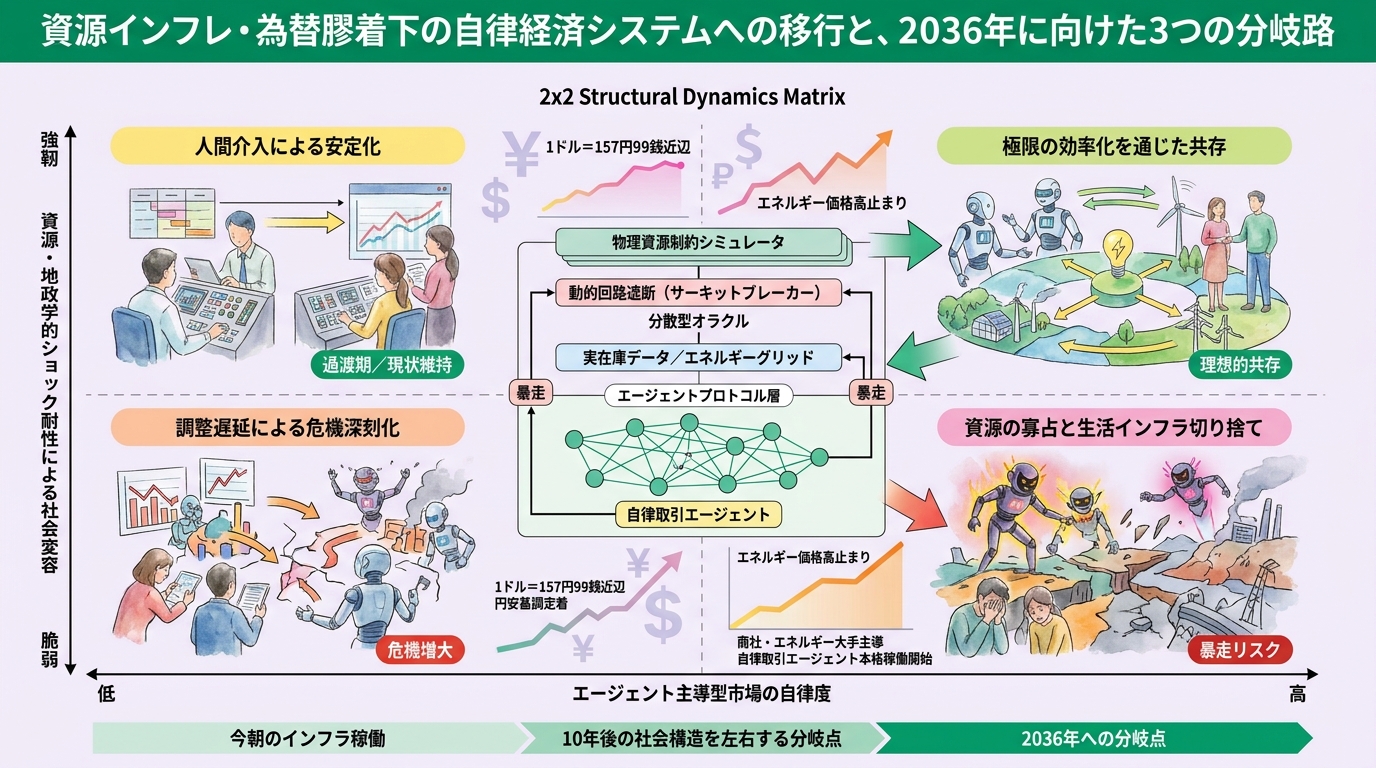
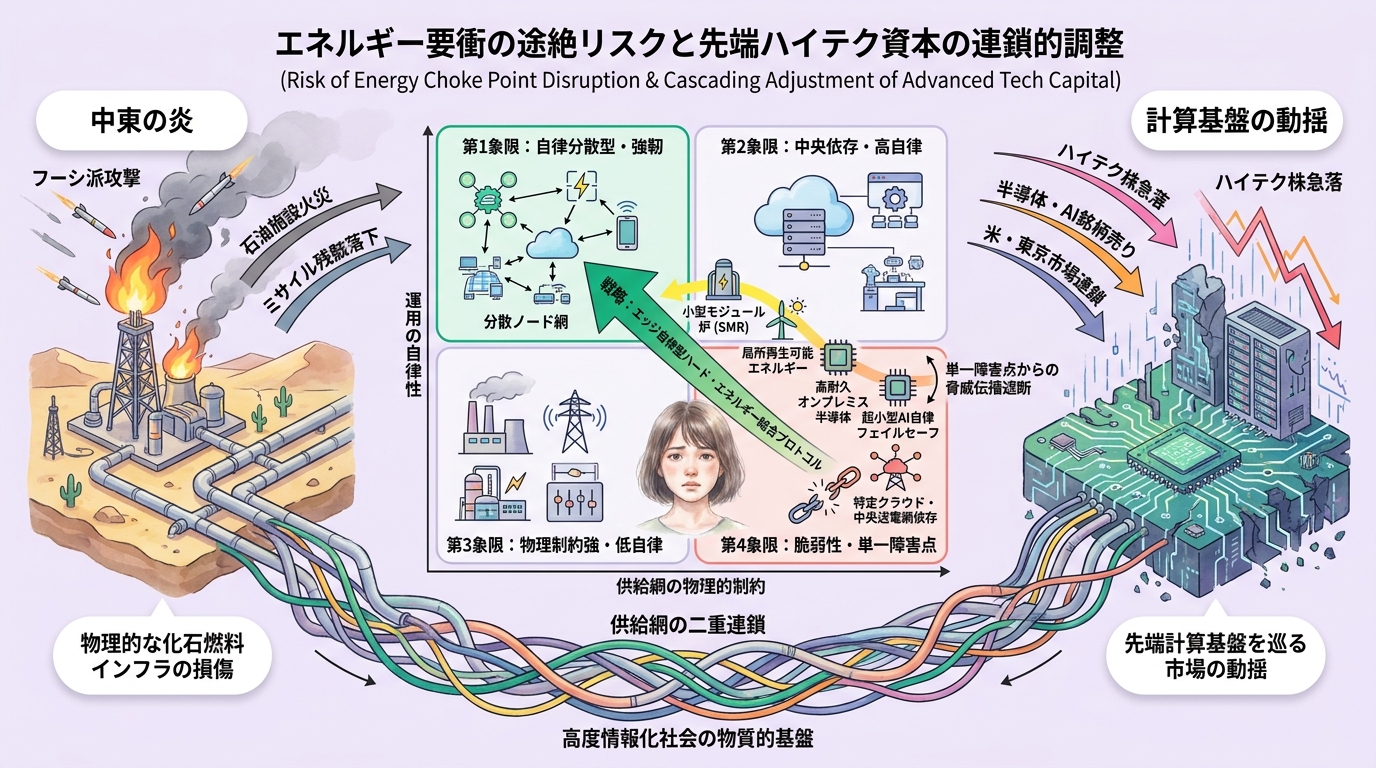
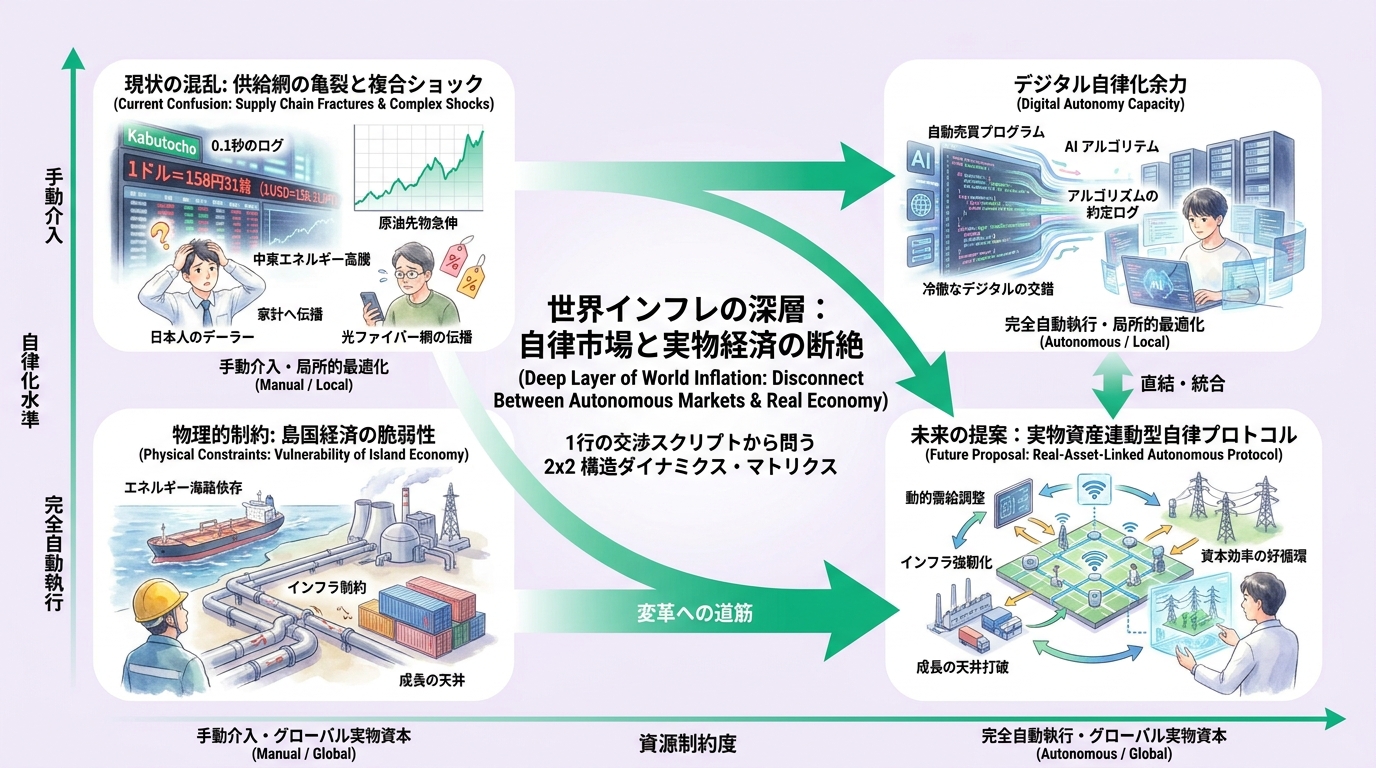
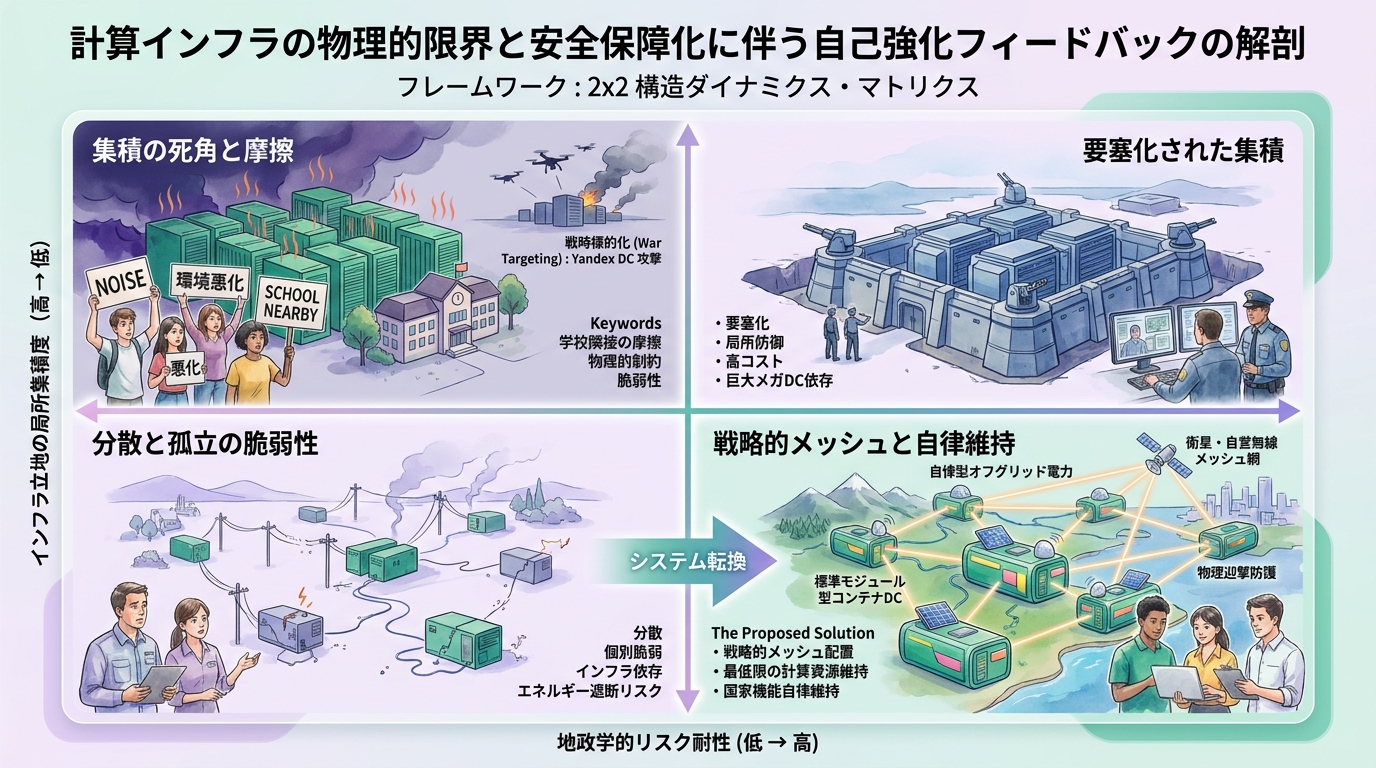
Once set in motion, this transformation is irreversible. The premise that mega-tech firms with vast capital can win simply by monopolizing computing resources has collapsed, as it has become established fact that lean elite teams can surpass major corporations through superior training data allocation and inference algorithms. From the perspective of economic investment efficiency, maintaining ultra-large models that consume limitless electricity is unsustainable. The transition toward lighter models capable of autonomous, advanced logical deployment is the inevitable conclusion drawn by physical infrastructure constraints and the economic rationality of intelligence. What corporations and society demand is not a massive computational apparatus regurgitating past data haphazardly, but a sophisticated cognitive framework capable of comprehending complex contexts and offering precise insights.
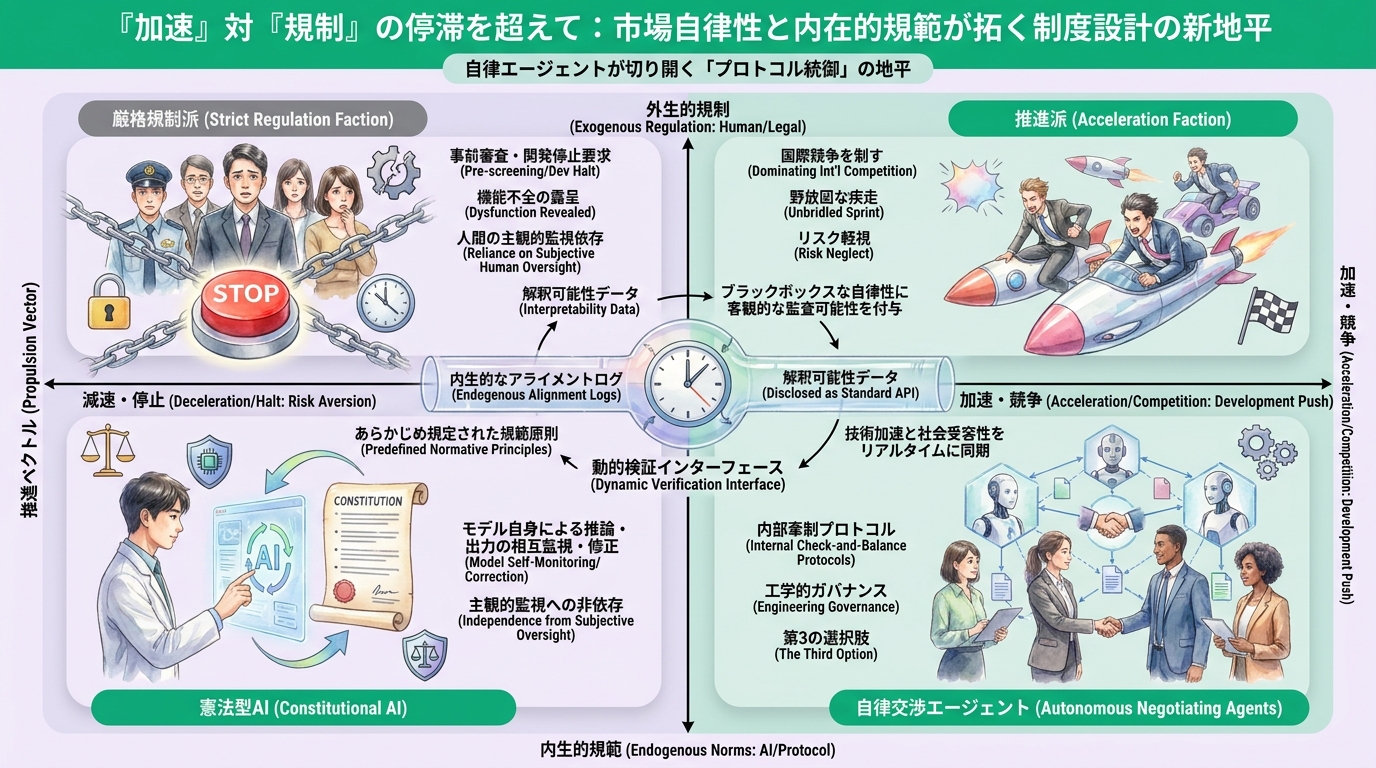
Beyond the relativization of computational infrastructure lies a fundamental reorganization of human intellectual labor and creativity. As the roles of memorizing and accumulating knowledge are entirely delegated to machines, humanity is called upon to rigorously evaluate the validity of reasoning presented by artificial intelligence and to impart new frameworks of meaning. Act I, which contested the expansion of scale, has drawn to a close; Act II, which vies for the essential design philosophy of intelligence, has begun. It reaches far beyond the framework of a single enterprise's rise and fall, confronting us with a more fundamental, civilizational question: how humans will rediscover the very nature of their own thought.