US and Russia Agree on 300,000-Ton Diesel Supply as Washington Relaxes Sanctions to Prioritize Price Control
The US Administration Pursues Pragmatic Inflation Containment Amid a Multiplex Energy Supply Grid
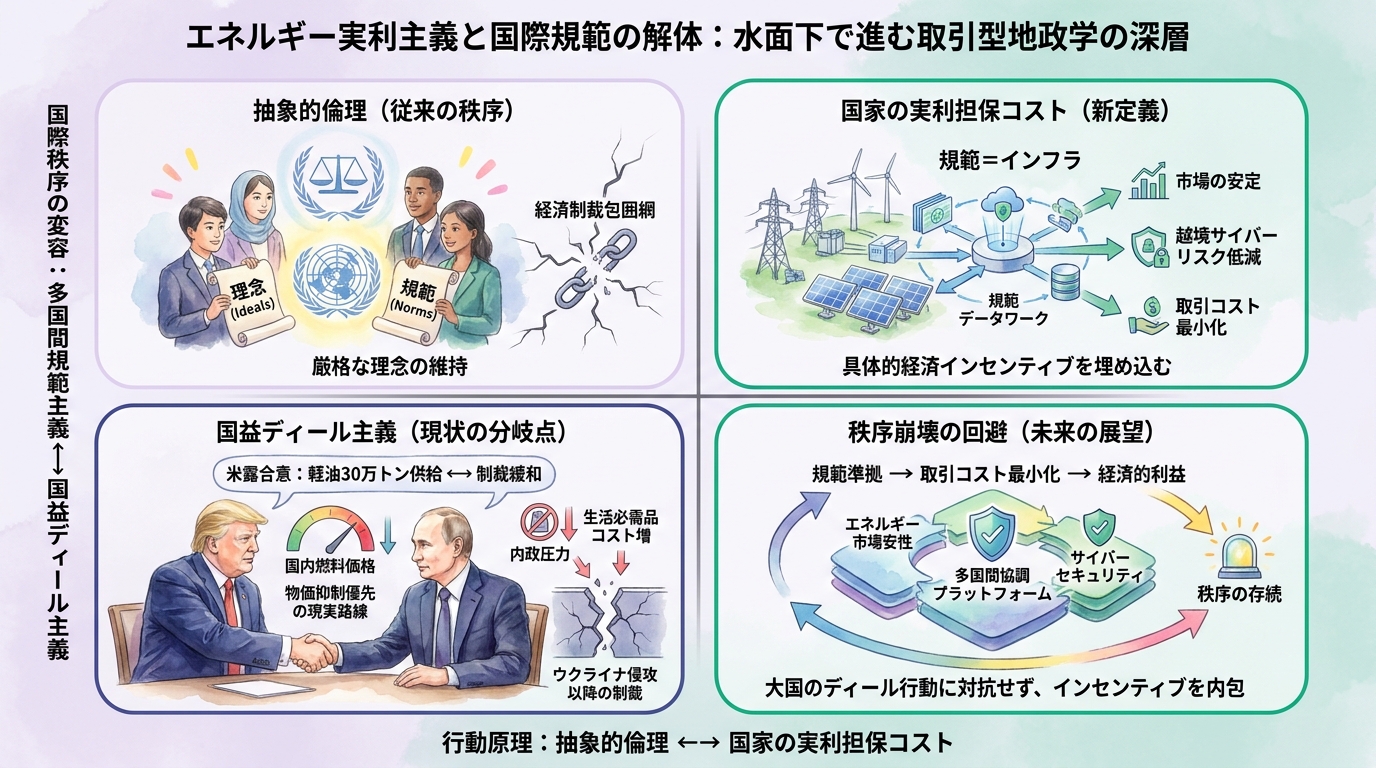
The terms of the agreement are exceptionally concrete and designed for immediate impact. The 300,000-ton diesel supply offered by Russia will be rapidly channeled into the US domestic diesel market, which has remained at elevated levels even past the peak winter heating demand season. To ensure the smooth execution of these transactions, the US government has established a framework granting temporary exemptions from sanctions on related transportation and settlement networks. White House officials explained that this agreement is an emergency measure aimed at directly lowering operational costs for America's trucking networks and agricultural machinery, making it clear that defending voters' living standards takes precedence over diplomatic principles.
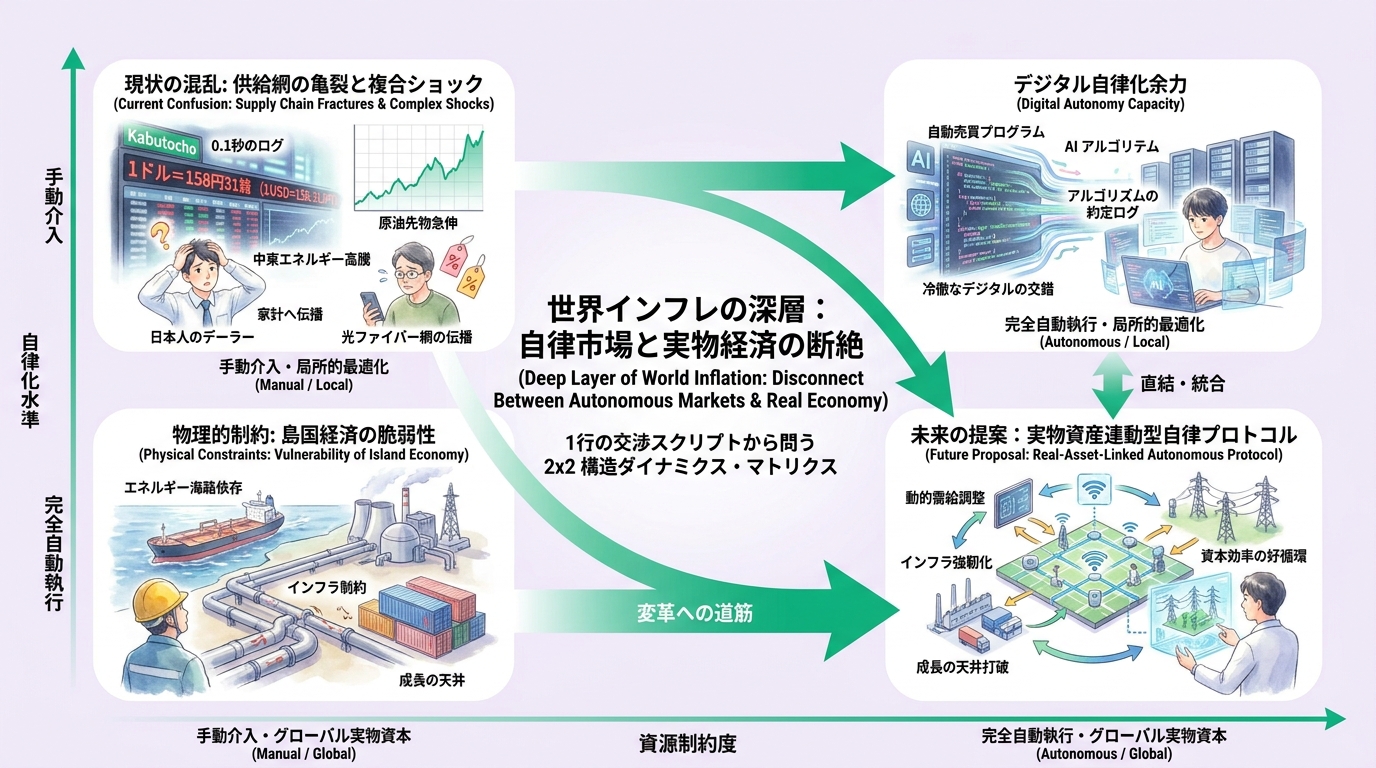
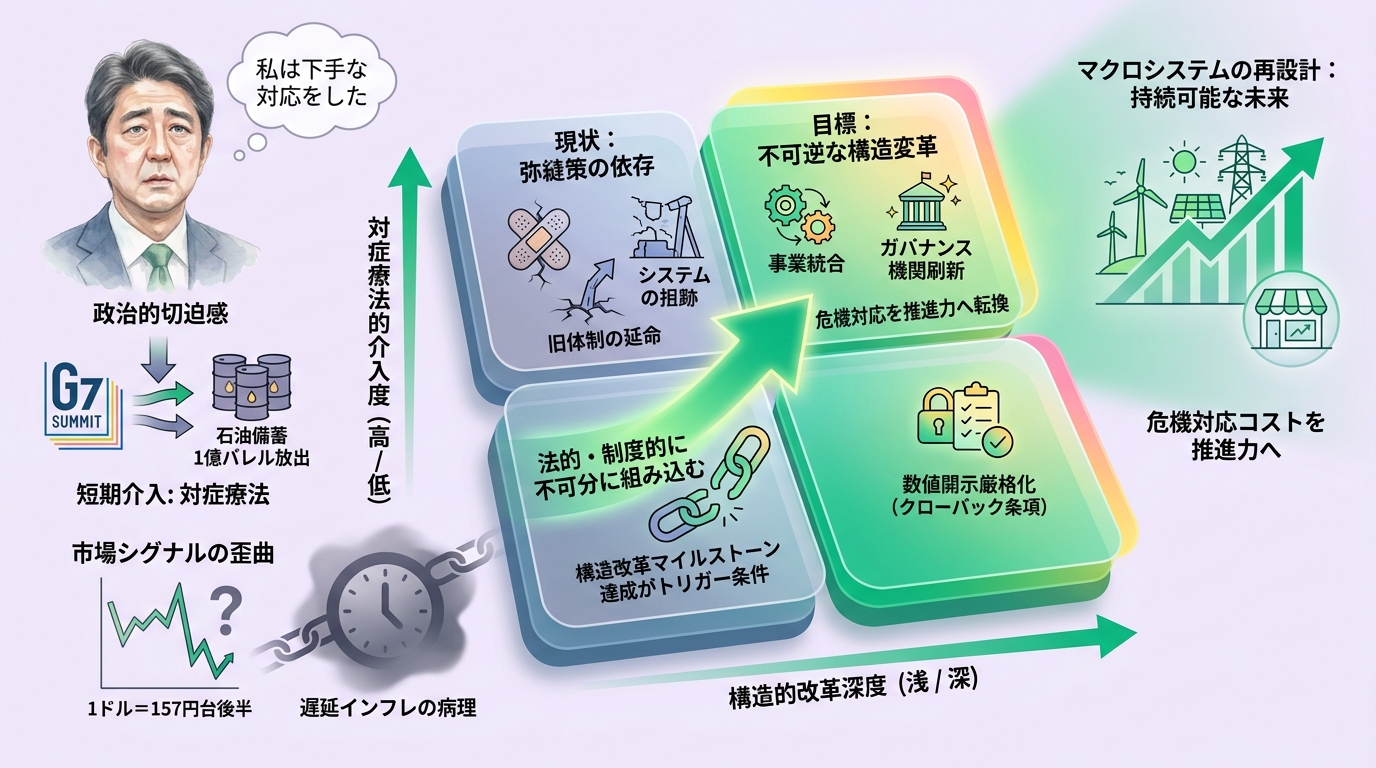
Underpinning this agreement is a structural sense of crisis wherein persistent inflationary pressures threaten to undermine the administration's political foundation. Diesel functions as the lifeblood of logistics infrastructure; its soaring prices trigger cascading effects on prices ranging from food to industrial goods. With the dollar-yen pair hovering in the lower 158 range and caution lingering over high interest rates in major markets, anti-inflationary policies relying solely on monetary tightening have shown their limitations. The prolonged sanctions have dealt a blow not only to Russian public finances but also to Western households grappling with distorted energy procurement networks. The diplomatic discipline of maintaining the sanctions regime has effectively been overridden by the absolute domestic imperative of curbing inflation.
The spillover effects across industry are wide-ranging. The sudden opening of a direct route for refined Russian oil to the US market lowers costs for American supply chains that previously paid premiums via circuitous exports through the Middle East and India, yet it has caused complex consternation among allies, particularly in Europe. Given that the European Union has absorbed structural economic pain in pursuit of complete decoupling from Russian fossil fuels, Washington's unilateral relaxation threatens to severely undermine the integrity of the sanctions regime. Energy trading houses are scrambling for intelligence to parse the fine print of institutional operations, including settlement currency stipulations and exemptions for insurance coverage.
The focal point moving forward is whether this exceptional measure will remain a temporary fix or lead to the gradual restructuring of the entire sanctions architecture. If pragmatic compromises become normalized without resolving the underlying geopolitical conflict, the efficacy of economic sanctions as a diplomatic instrument will be called into question. As market principles and political motives clash, the procurement strategies of nations seeking diversified supply sources are tilting toward realism—prioritizing national economic rationality over alliance solidarity. The resumption of pragmatic dialogue with resource superpower Russia signals a shift in the international order away from value-driven confrontation and toward ledger-based negotiation.