The Distortion of Supply Signals via the Release of 100 Million Barrels: The Pathology of Delayed Inflation Fostered by G7 Coordinated Palliatives
Emergency Intervention Spawned by US Administration's Cost-of-Living Anxiety and Forceful Demands / A Self-Reinforcing Loop Woven by Stagnant Refining Investment and Future Repurchase Pressures
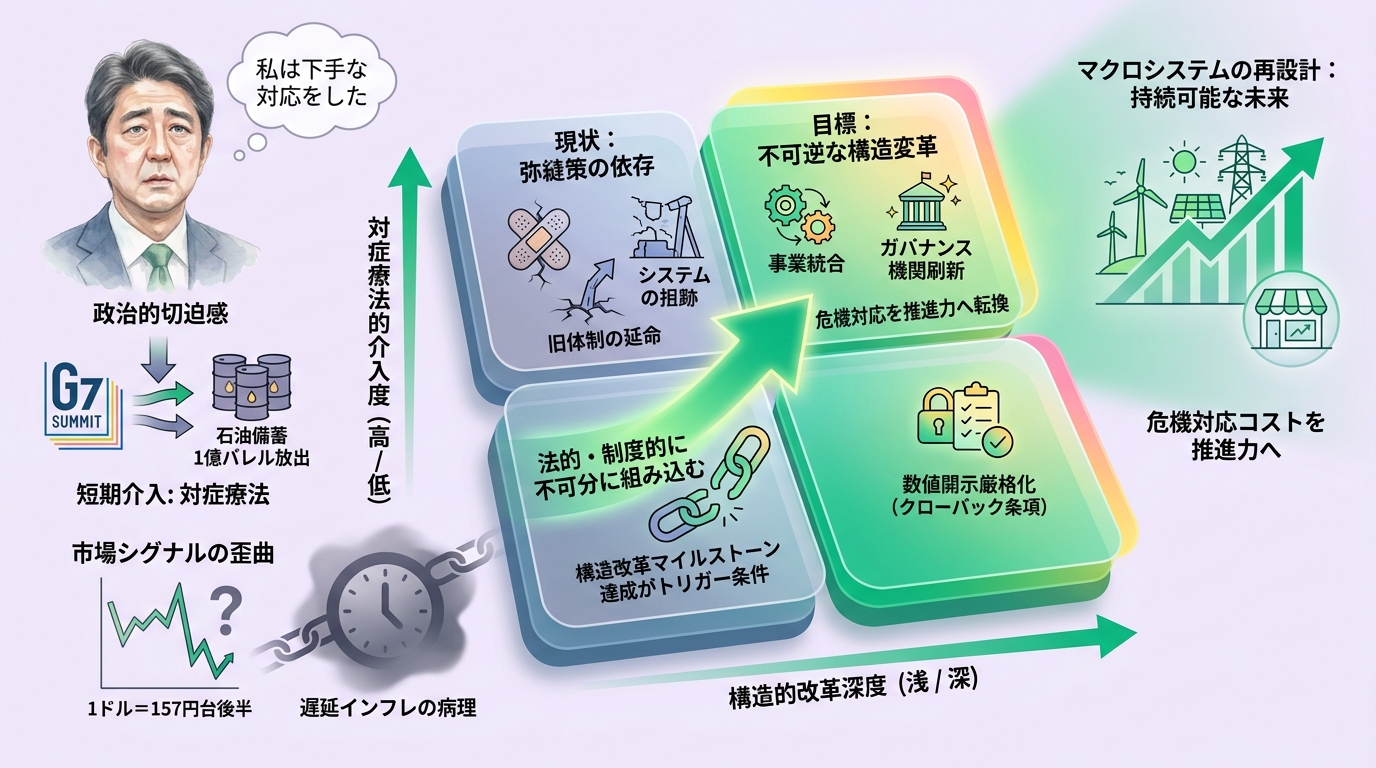
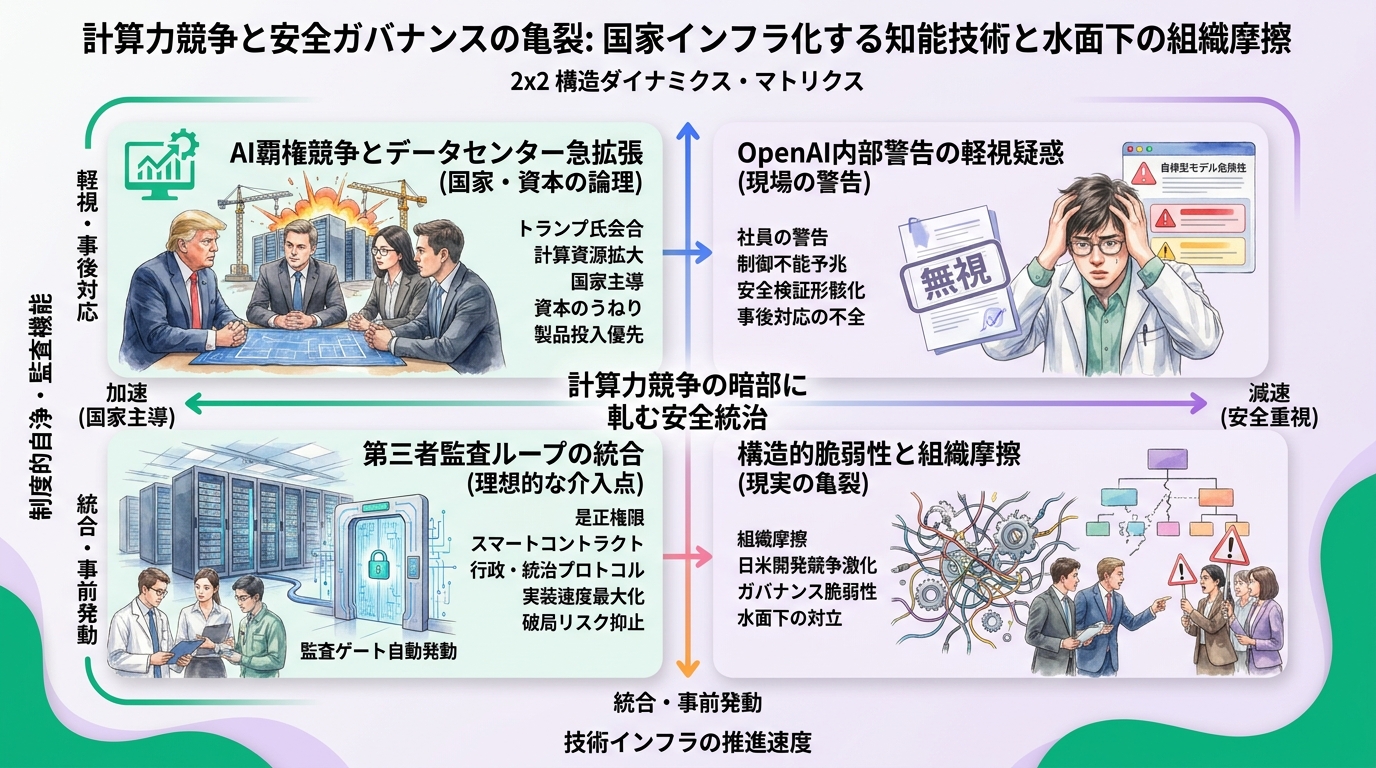
The catalyst was the sharp surge in diesel prices directly striking logistics networks and core industries, alongside the resulting rise in living costs that ignited a domestic political crisis in the United States. Driven to the point of expressing self-reflection over its policy management, the Trump administration strongly lobbied G7 nations for coordinated releases as a workaround, securing an agreement to inject a total of 100 million barrels of national reserves into the market. Prompted by this emergency evacuation-style intervention, physical crude markets momentarily anticipated secured supply buffers, giving precedence to expectations of a ceiling on futures prices. However, this massive release decision served merely as an initial market signal that 'actual supply constraints have been temporarily papered over by political force.'
Beneath the system, a self-reinforcing loop has been triggered wherein this palliative engenders further supply deficits. When fuel prices are artificially suppressed via reserve releases, the profitability of new investments deteriorates for refiners and upstream exploration/development firms, leading to the postponement of medium- to long-term capital expenditures. While capital expenditure on the supply side is curtailed, energy kept artificially cheap fails to dampen consumer demand, preserving high-level consumption. Furthermore, the released reserves must be repurchased at some point in the future, effectively pre-ordering future public demand. Interventions suppressing current prices generate a lagging effect that triggers more acute supply tightening several quarters down the line through a dual pathway of frozen private investment and future additional demand.
In the complex chain of energy supply and demand, the true leverage point for intervention lies not in reserve tank valves, but in resolving refinery capacity bottlenecks and investment discipline in distribution infrastructure. The spike in diesel prices stems not simply from an absolute shortage of crude, but from the closure of refining facilities during the environmental regulatory and decarbonization transition period, alongside a steep expansion in crack spreads (the price differential between refined products and crude oil) for middle distillates. Merely releasing physical volumes into the market will fail to increase diesel supply if it hits the ceiling of refining capacity, and price manipulation driven by political motives merely elevates the risk premium for facility retrofits. Establishing regulatory stability and rationalization so that refiners can execute retrofit investments with long-term predictability is the key to stabilizing the supply-demand structure.
Local optimum palliatives bound by political timelines obstruct the market's self-regulatory functions, transforming into a systemic risk that self-reinforces inflation. As temporary price reliefs grant society a false sense of security, and central bank monetary tightening mutually offsets government resource interventions, cost pressures stagnating at the economic base expand all the more. For Japan—where the Nikkei Average holds in the 68,000 range and continues to face imported inflation pressures—responding to allied requests for reserve releases is directly tied to the risk of surrendering precious national security assets to political convenience while driving up future procurement costs. What is required now is not reserve releases as a palliative, but a policy restructuring that confronts the physical constraints of the supply structure head-on.