Crude Breaches $103 as Compute Constraints Force Restructuring of Data Center Siting Amid Power Scramble
Fossil Fuel Surge Exposes AI Infrastructure Vulnerabilities; Power Grid Limits Trigger Capital Flight Toward Nuclear and Renewables
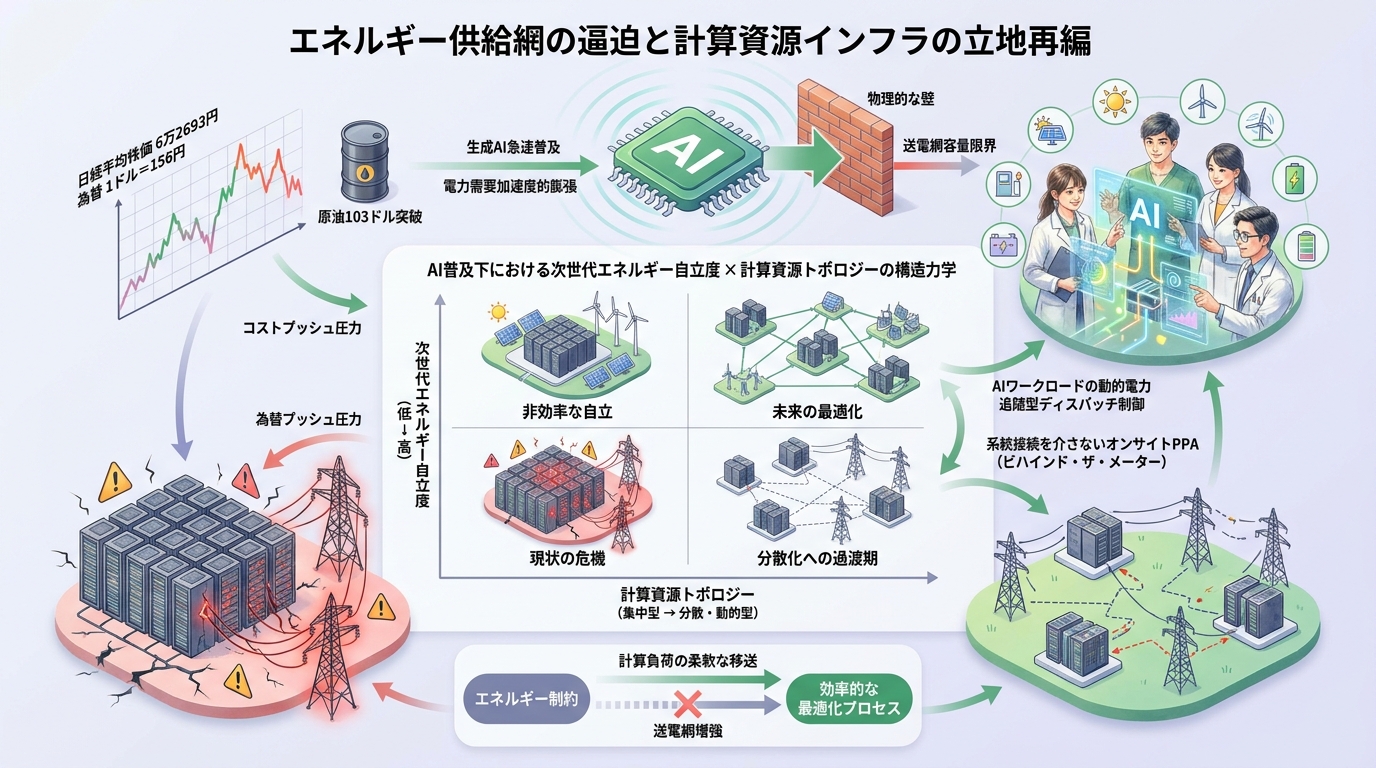
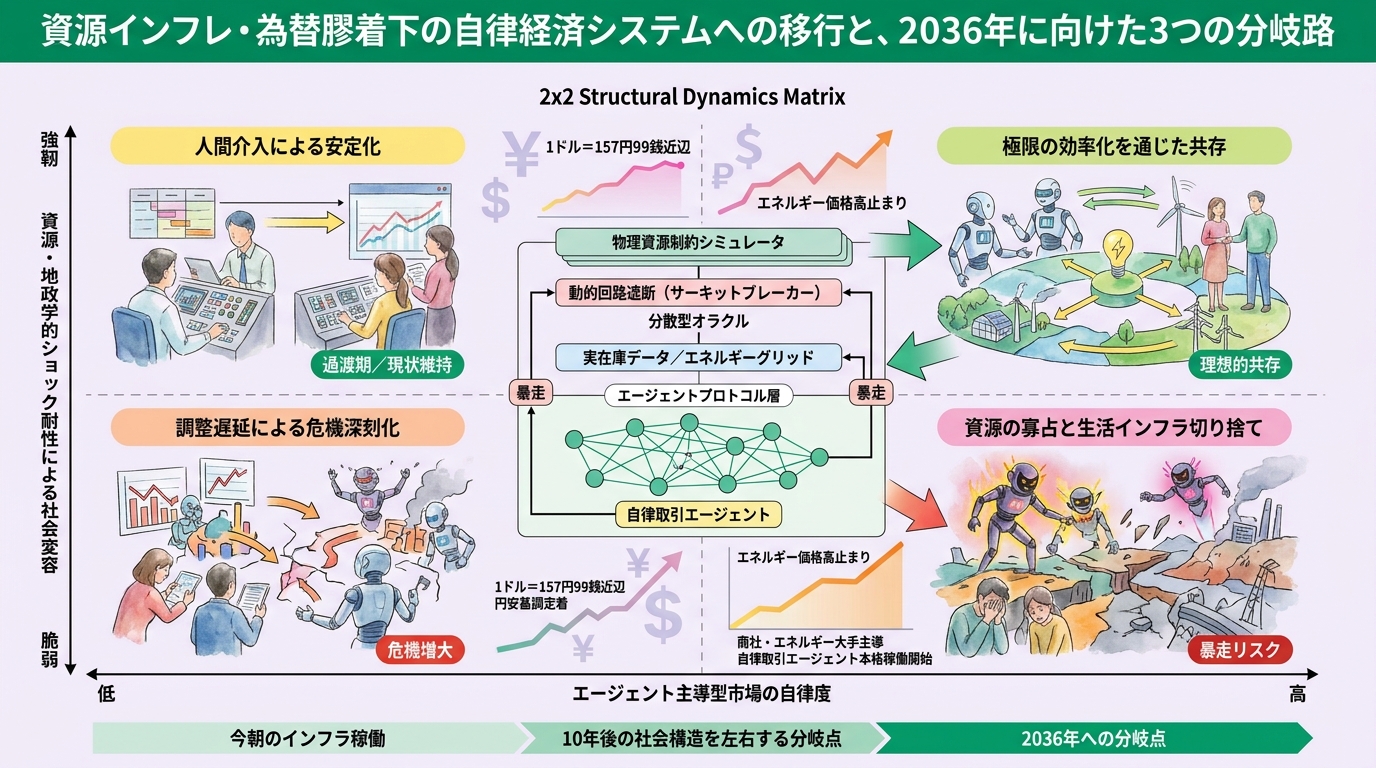
The surge in oil prices past $103 stems from a convergence of restrained output by major producers and geopolitical transit risks, sending the marginal cost of base energy soaring. This shock has immediately bled into wholesale electricity prices across major economies heavily reliant on thermal power. Meanwhile, gigawatt-scale data center clusters powering state-of-the-art AI training facilities continuously consume power equivalent to mid-sized cities. Hyperscalers such as Microsoft and Amazon Web Services face multi-year queues for new grid connections in traditional hubs like Northern Virginia and Ireland, directly throttling the expansion speed of computational capacity.
Hitherto, supremacy in computational infrastructure was concentrated in advanced semiconductor design and exclusive foundry manufacturing. Today, however, the critical bottleneck in the supply chain has shifted from silicon wafers to heavy industrial infrastructure: ultra-high-voltage transformers and power transmission equipment. Global procurement lead times for transformer units have stretched beyond four years. Without physical connection slots to the power grid, procuring cutting-edge accelerators is futile. A dual barrier of grid capacity deficits and oil-driven generation cost inflation is transferring the right to expand compute resources from semiconductor vendors to grid operators and power producers.
Under these physical constraints, capital flows from mega-tech firms and national governments are aggressively engineering a geographic restructuring. The traditional siting model—concentrating facilities near major metropolitan areas to minimize latency—is giving way to dispersal into remote regions with surplus power or areas capable of securing dedicated generation sources. Of particular note are long-term power purchase agreements (PPAs) locking in the restart of dormant nuclear plants or the deployment of small modular reactors (SMRs) on-site. Whether a nation can secure stable, zero-carbon baseload power and resilient transmission infrastructure has become the focal point of economic security, dictating national industrial competitiveness and making power reliability the decisive factor in tech siting.
Amid the crosscurrents of soaring fossil fuel prices and ballooning compute demand, maintaining industrial infrastructure sustainability demands structural measures that transcend the pre-purchase of power sources. Builders must construct distributed microgrids tightly integrating renewables, storage, and baseload options like nuclear; improve algorithmic power efficiency; and implement combined heat and power systems that recycle data center waste heat into district heating and industrial processes. Coldly acknowledging resource finitude, the public and private sectors must execute long-term strategies that harmonize grid reinforcement, power development, and compute demand scaling to secure the resilience of our digital foundations.