Unraveling the Single-File City: The 'Rabbit’s' Footsteps Toward a Humane Pace
How efficiency-first urban transit squeezes circulation—restoring breathing room and empathy to pedestrian flows beyond forced regulations
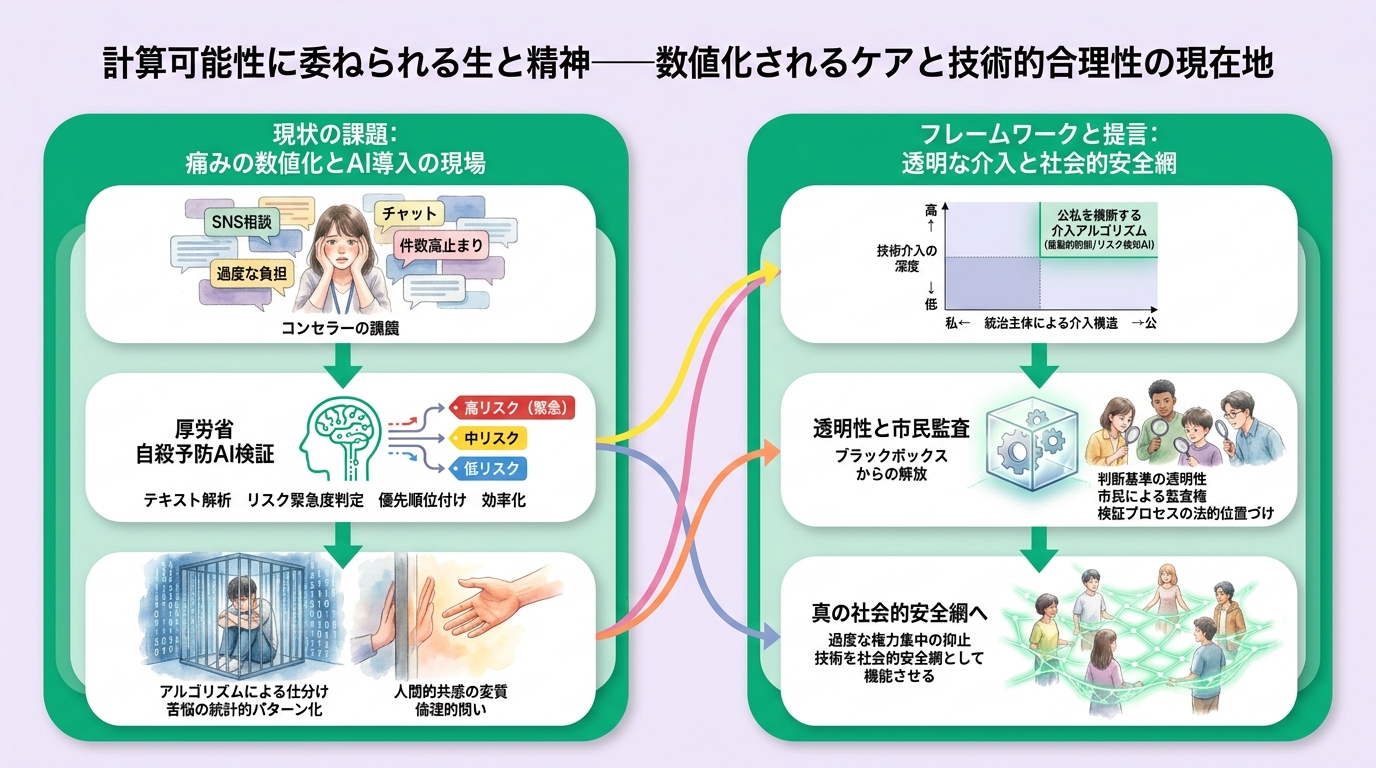
In modern cities where schedules are managed down to the second and circulation routes are digitally optimized, keeping one side of an escalator clear has established itself as an unwritten rule for maximizing "efficiency." However, this creates a harsh reality where individuals unable to stand on the left side due to right-hemiplegia or injuries are subjected to the silent pressure of walking commuters, facing constant danger and anxiety. In attempting to run the entire system at a uniform velocity, the urban fabric shaves away allowances for bodily diversity and unexpected delays, generating overcrowding and structural distortions that ultimately exclude certain users. No matter how frequently station announcements are repeated or warning signs displayed, breaching the wall of collective psychology that justifies efficiency is no easy task.
Injecting fresh air into this rigid urban atmosphere was a "nudge" strategy that evokes emotional resonance through charming animal footprints and characters drawn directly onto the steps. The high school student's "Don't step on the rabbit!" campaign bypasses logical preachiness and enforced obligations, arresting unconscious strides through empathy with a narrative lurking right on the tread. Behavioral changes that typically invite resistance when enforced through mechanical righteousness find a natural landing in considerate behavior when mediated by subtle, tactile design. It stands as a prime example of how tangible craftsmanship imparts flexible adaptability to urban systems.
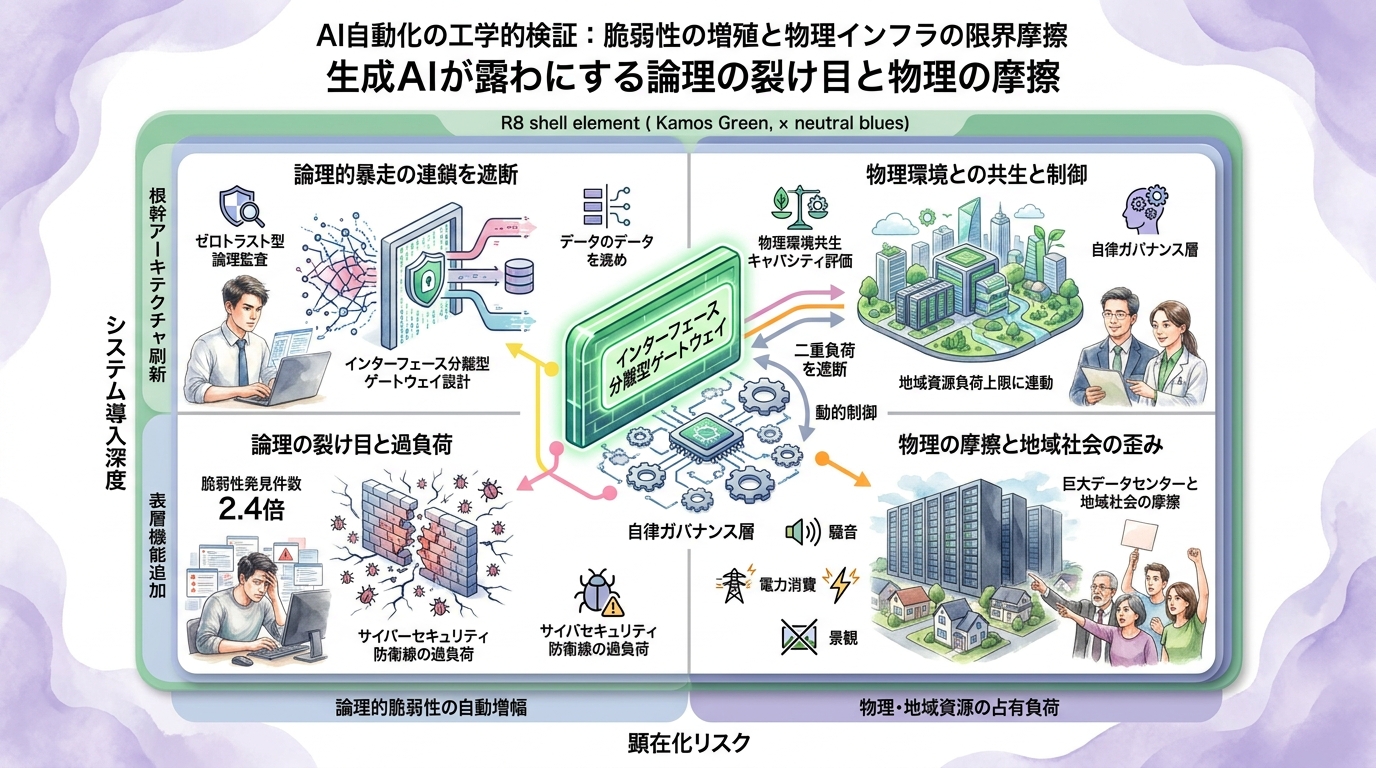
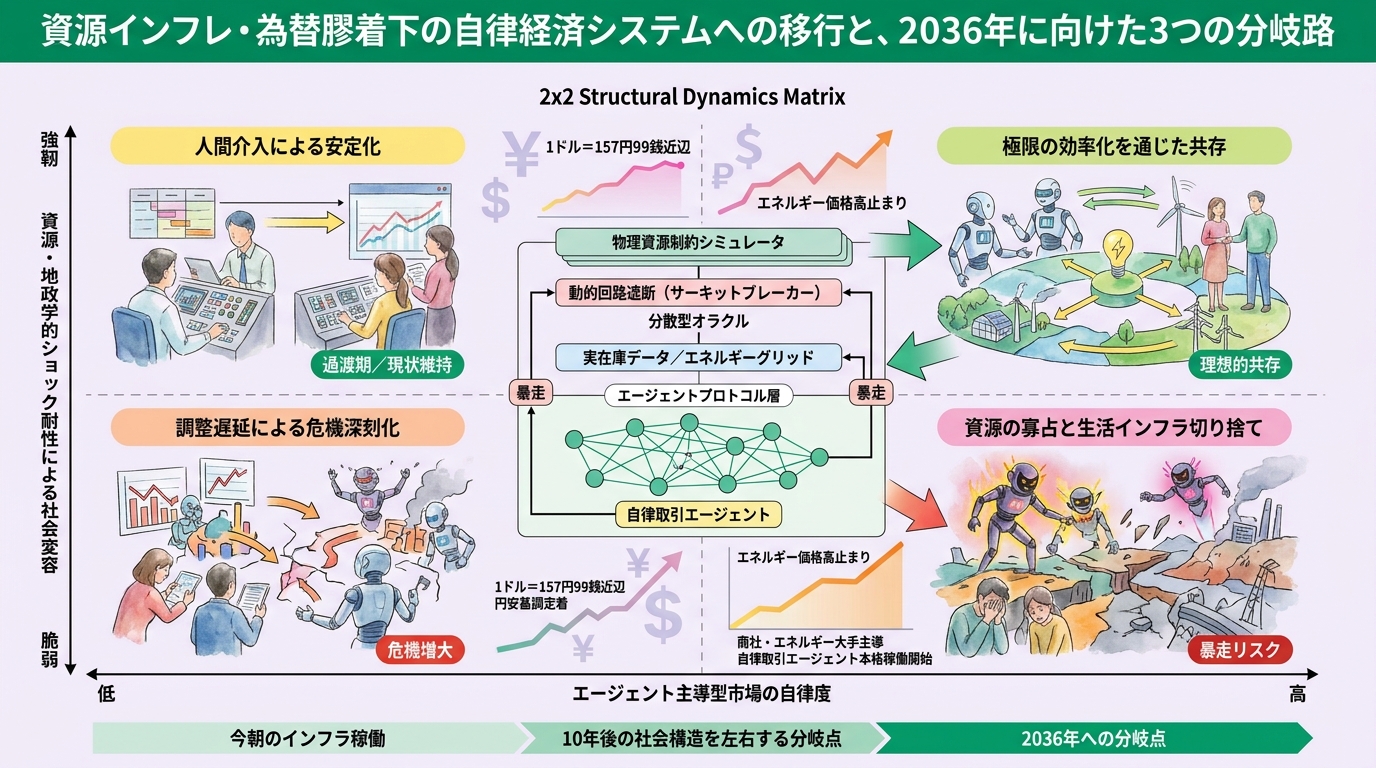
The craft of shaping urban environments is not merely about uniformly controlling pedestrian flows through cutting-edge sensors and artificial intelligence. Applying algorithmic solutions for shortest travel times and maximum passenger volume in a purely mechanical fashion only allows a sense of claustrophobia to settle over daily life. What is truly required is the technique of observing physical relationships between tools and spaces, adjusting them with artisan-like subtlety. Rather than forcing compliance with the cold logic of traffic engineering, everyday routines must incorporate fleeting moments where everyone casts their gaze downward and remembers the presence of others. Such creative ingenuity, rooted in the everyday perspective of ordinary citizens, pulls urban circulation back to a human scale.
An urban pace that vies for speed and efficiency while fearing to stand still must learn to slow its stride once more. Standing still on the right side of an escalator is nothing less than an explicit declaration of a willingness to share a tolerant breathing space with the diverse citizens who inhabit the city. Now, as the wave of optimization presses to its absolute limits, we must reclaim the emotional richness of allowing a mere few seconds of delay and moving in harmony with others. Breaking free of rule-bound coercion and sharing a margin woven from subtle consideration—this is precisely the shape of a sustainable city that a mature society ought to build.