Quantifying Pain vs. the Essence of Dialogue: Inside the MHLW's Suicide Prevention AI Pilot
Balancing Rapid Crisis Triage Against the Irreplaceable Ethics of Attentive Listening
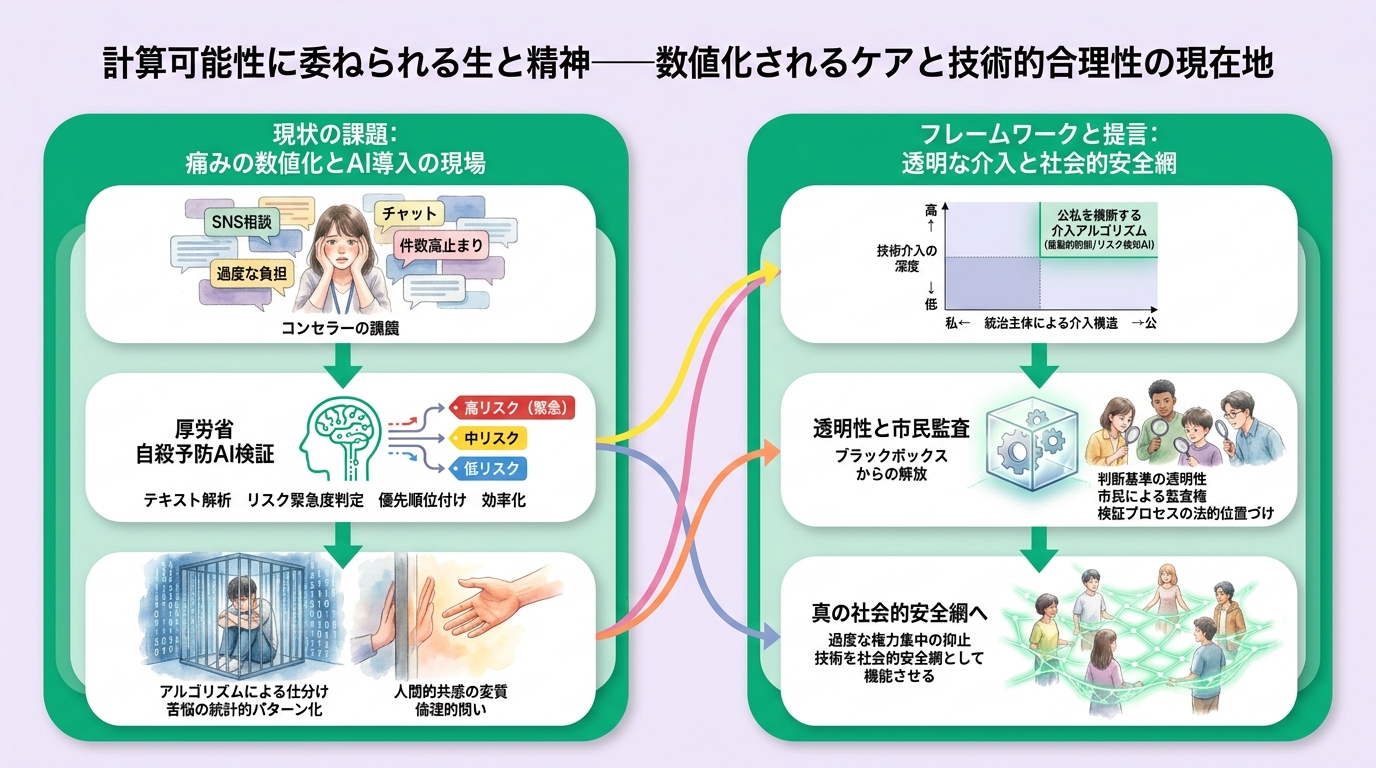
Counselors express quiet unease over placing mathematical formulas at the initial point of contact for individuals confessing a desire to disappear. The government's urgency to eliminate backlogs and fatal response delays is palpable, rendering algorithmic triage an appealing administrative remedy. Yet what becomes of care when an individual, having summoned the courage to articulate unspoken agony, realizes their words are parsed not by a fellow human, but by a predictive model calculating lexical frequency and contextual weight? A quiet rift is opening between the imperative for rapid intervention and the alienating reduction of acute suffering into sterile data points.
Philosopher Martin Buber drew a sharp distinction between the relational 'I-Thou'—an authentic, mutual encounter between persons—and the instrumental 'I-It' of objectification. AI-driven text analytics threatens to convert the singular existence of the other into an object ripe for categorization and automated processing. Regardless of a language model’s sophistication, its outputs merely reflect statistical correlations drawn from vast corpora of historical text; it cannot comprehend the idiosyncratic agony of the individual before it. While algorithmic empathy may mimic the conventions of compassionate discourse, whether it can instill the genuine sense that another human is truly sharing one’s solitude remains deeply suspect.
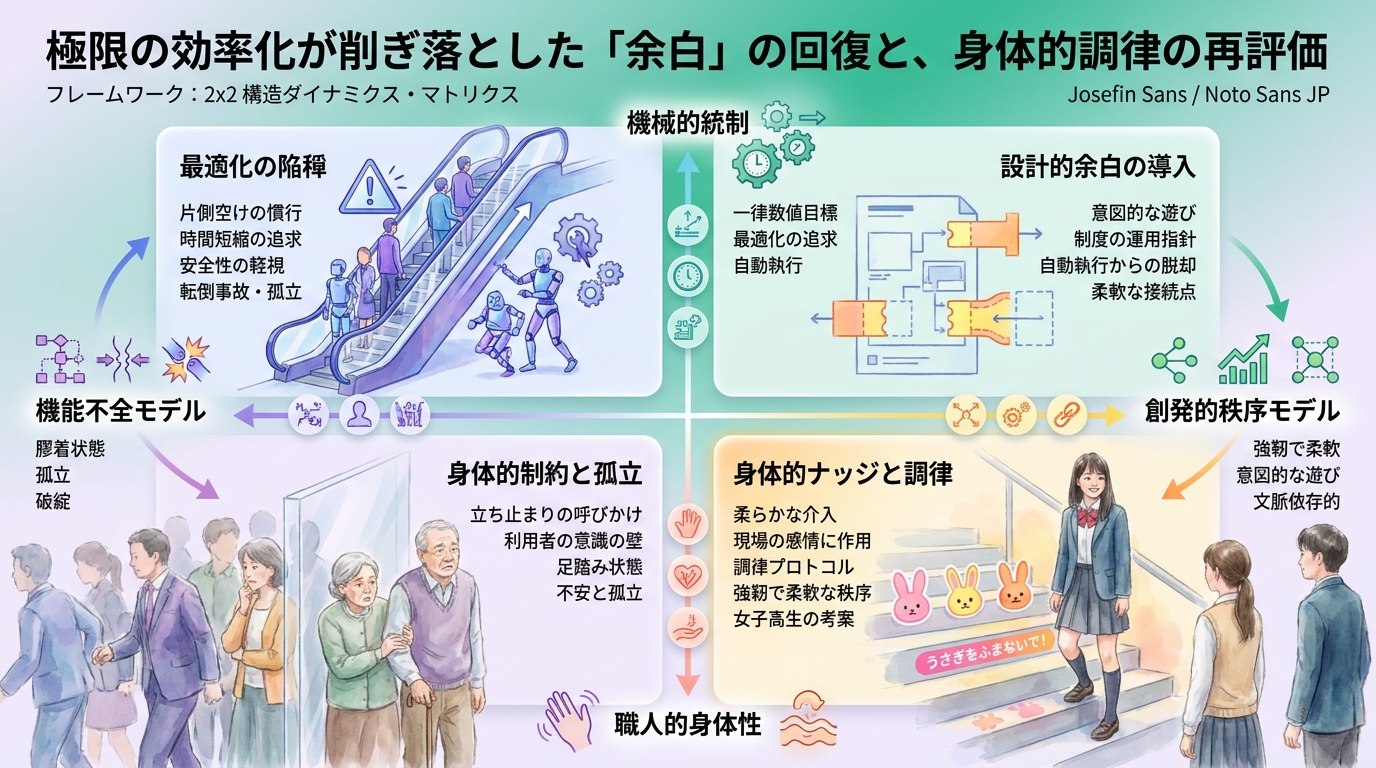
Still, the operational utility of AI intervention cannot be dismissed out of hand. In high-stakes environments where minutes dictate survival, routing acute distress signals swiftly to human specialists can avert preventable tragedies. However, hyper-efficiency risks eradicating the discursive margins—the quiet pauses, silences, and hesitations where true dialogue unfolds. If platforms prioritize codified distress keywords, subtle nuances resistant to clean transcription may go undetected, subtly coercing distressed individuals to adopt formulations engineered to trigger automated help. The more standardized care becomes, the greater the peril that non-conforming suffering falls through the algorithmic cracks.
In suicide prevention, technology must serve not to absolve human responsibility, but to sustain the space for human-to-human engagement. As regulators evaluate these trials, success metrics must look beyond raw processing speed or lexical accuracy to assess whether algorithmically mediated support nurtures interpersonal trust. The core of therapeutic presence is bearing witness to an agonizing crisis without offering facile resolutions. As automation infiltrates caregiving, humanity must vigilantly govern these instruments while refusing to surrender its ultimate obligation to uphold human dignity.