Kabuto-cho's '0.1-Second Log' Reveals Fractures in the Supply Chain Middle East Energy Surge and the 158-Yen Zone: A Compound Shock Rippling Through Households
Algorithmic trading instantly prices in tensions in the Strait of Hormuz—laying bare once again the vulnerabilities of a resource-importing nation.
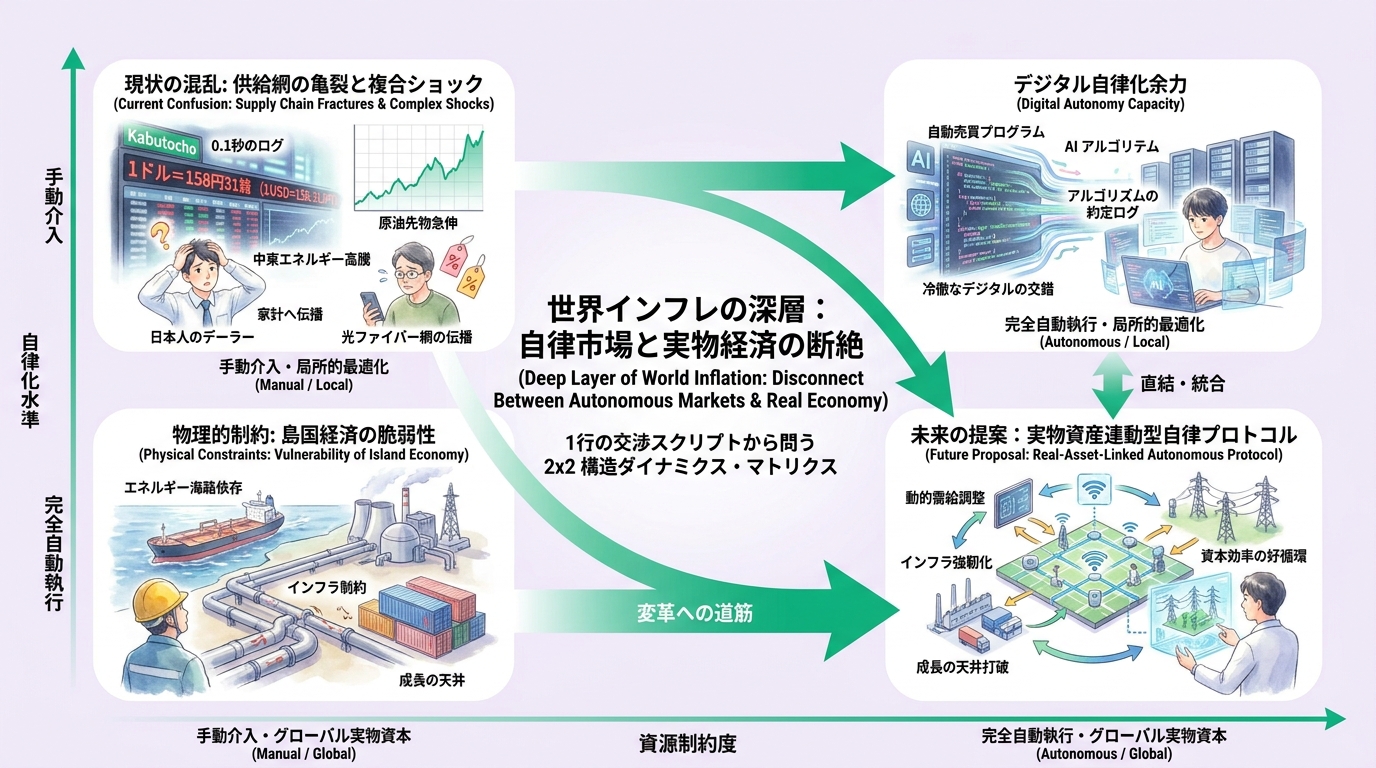
On the multi-monitors lining the dimly lit floor, the operational history of algorithms executing trades within milliseconds to exploit minute price differentials scrolled past with unfeeling detachment. There was no room for human emotion. Immediately after the first wire service reports regarding navigation risks along the Persian Gulf coast crossed the wires, the system instantly selected a scenario projecting a deterioration in Japan's trade balance due to high Middle Eastern dependence, placing programmatic baskets of yen-selling and dollar-buying orders. The limit-order book thinned out in an instant, shifting figures into the low 158-yen range. Even with traders' fingers lingering away from keyboards as they stared at the display's pale blue light, the market had automatically completed its pricing-in of risk. The trading records stamped with micro-timestamps speak volumes about how modern financial markets are driven by high-purity mechanical chains.
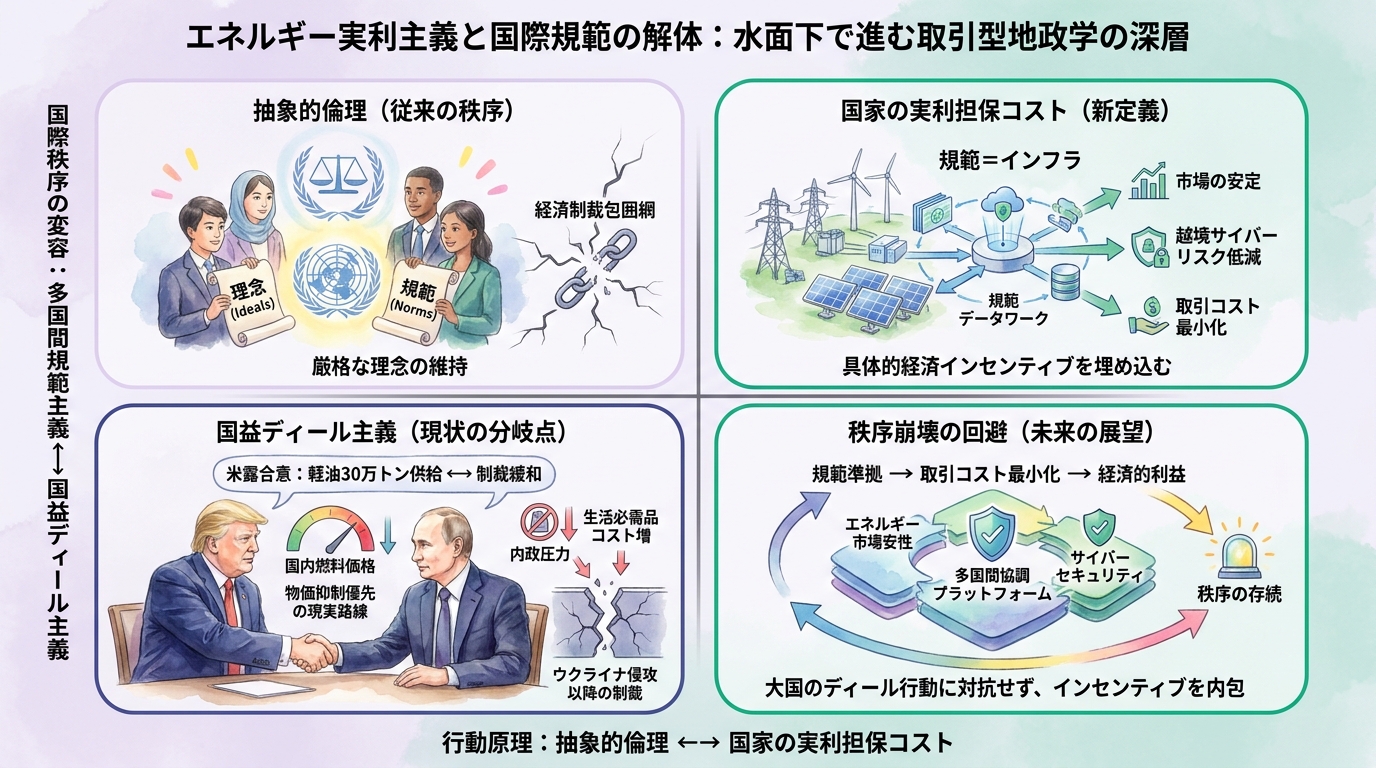
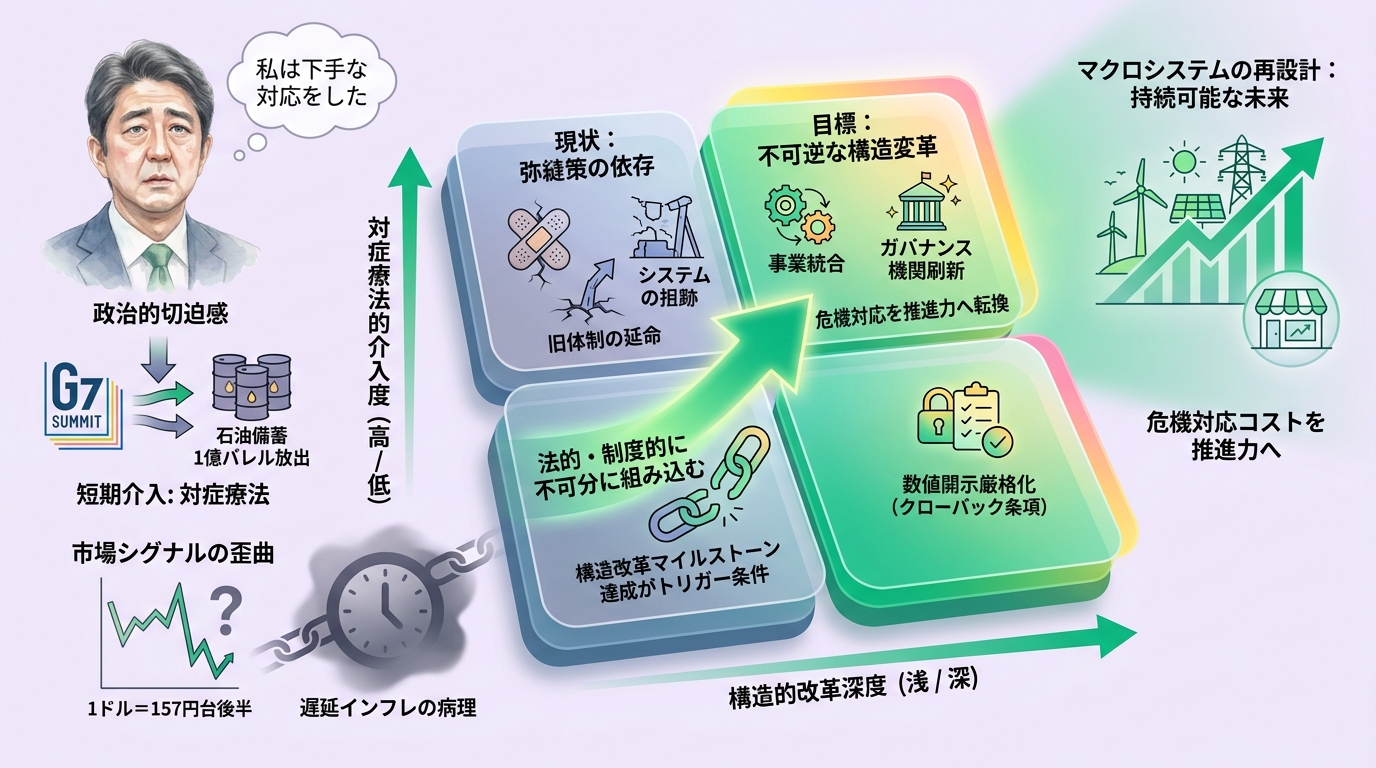
This 0.1-second digital reaction is inextricably bound to the massive supply chains of physical resources moving on the opposite side of the globe. Security uncertainties surrounding the Strait of Hormuz directly struck crude oil and LNG futures markets in Europe and North America, bouncing back to Japanese trading houses and electric utilities as tangible cost increases in the form of higher tanker insurance premium rates. Rising crude oil prices signify a sharp expansion in the dollar demand required by Japan to pay for import bills. Behind the exchange rate's swing into the 158-yen zone lies not merely speculative activity, but the procurement behavior of real-demand players forced into constant dollar-hedging for energy acquisition. Lying behind foreign exchange transactions processed as electronic data is the physical logistics of tanker fleets braving rough seas to deliver fuel to the Japanese archipelago.
Viewed macroscopically, this market turbulence is the culmination of diverging monetary policies between the US and Japan intersecting with Japan's deep-seated structural challenges. Against the backdrop of expectations that the US Federal Reserve's interest rates will remain high, interest rate differentials between the US and Japan continue to easily generate depreciation pressure on the yen. The addition of soaring resource prices saddles Japan with a dual burden of 'deteriorating terms of trade.' The expansion of energy costs paid by importing companies accelerates the outflow of national wealth, steadily eroding domestic investment capacity and the resources needed for wage hikes. The adjustment of stock indices in the equity market is less a manifestation of fear toward geopolitical risk itself than a realistic market appraisal of Japanese corporate earnings structures struggling to pass on high costs into product prices.
The minute price fluctuations engraved on Kabuto-cho terminals strike regional factories and suburban supermarket shelves with certainty after a time lag of several weeks. These costs are directly passed on to the daily lives of regional factory managers grappling with rising procurement costs for plastic packaging materials and ordinary citizens staring at monthly electricity and gas utility statements. The movement in the 158-yen-per-dollar range and difficulties in procuring energy resources act as upward pressure on daily necessities—ranging from imported foods to general goods—stripping away household purchasing power. The 0.1-second friction captured by high-speed communication lines eventually causes citizens to close their wallets, casting a shadow over the sustainability of domestic demand. Distant maritime tensions and inorganic trading logs quietly continue to shake the very foundations of our daily lives, cycle upon cycle.