THE SCHOOL OF KAMOS
Connecting Real-world Dev & Academic Intelligence with Intuitive Metaphors
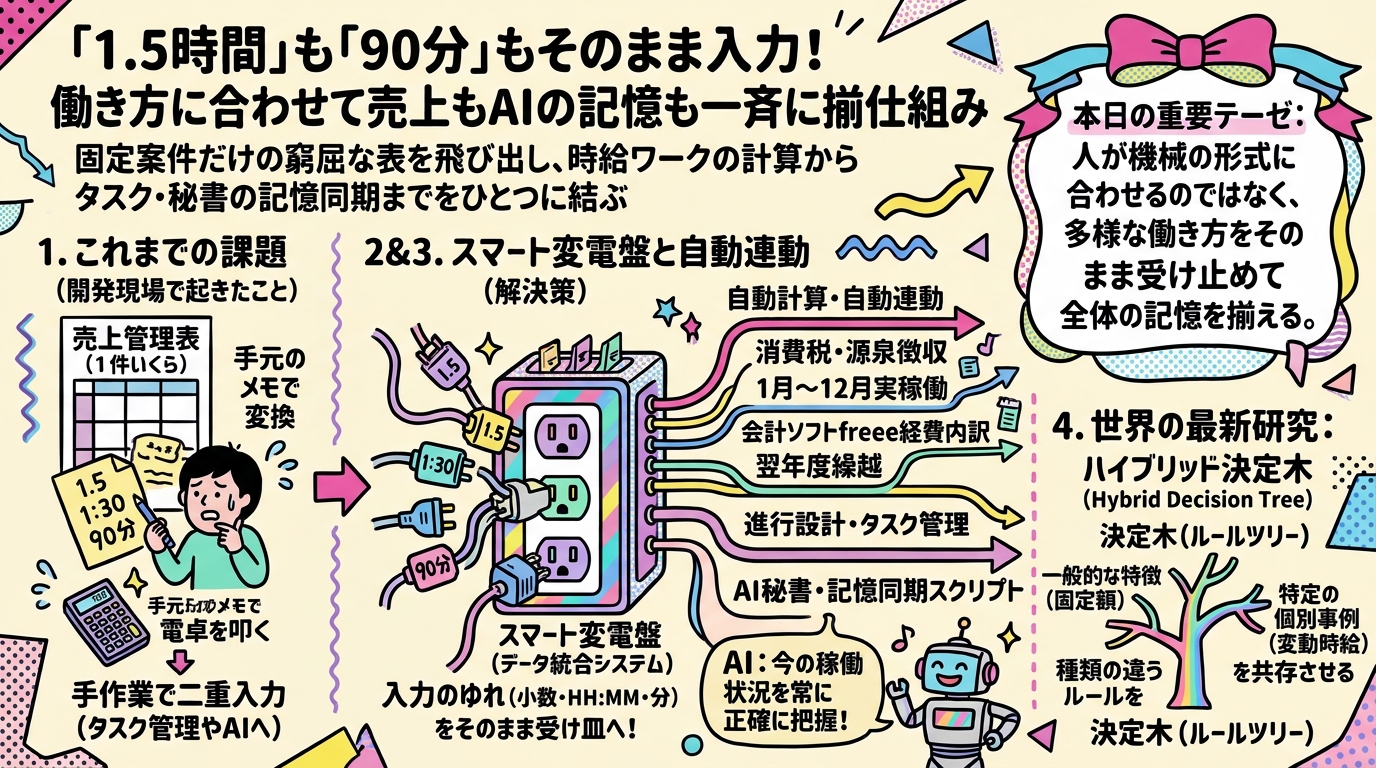
Enter "1.5 Hours" or "90 Minutes" As-Is: Unifying Revenue and AI Memory as Workstyles Evolve
Breaking free from rigid fixed-fee spreadsheets to connect hourly calculations, task tracking, and AI assistant memory in one seamless flow
Until now, revenue tracking assumed a world of fixed-fee projects—forcing every entry into a rigid "flat rate per project" spreadsheet. As hourly and time-based engagements grew, teams were forced into tedious workarounds: mentally converting "1 hour 30 minutes" to "1.5" on a scrap of paper, crunching numbers on a calculator to recompute consumption tax and withholding deductions, and then manually re-entering the exact same figures into separate task managers and AI assistants. The more diverse our workstyles became, the heavier this burden of micro-conversions and double entry weighed on daily operations.
What overturned this cramped workflow was a shift in perspective—making the system adapt to the user, backed by end-to-end automation. Think of it like a "smart distribution board" that accepts appliances from any country regardless of voltage or plug shape, instantly conditioning the power and delivering it safely to every floor in the building. While legacy spreadsheets were like "outdated wall outlets that only accept one rigid plug," our new hourly and active-engagement panel is built differently. Whether you type a decimal like "1.5", a timestamp like "1:30", or minutes like "90 min", the system lets you enter time in whatever format feels natural on the ground and normalizes it instantly. Instead of forcing people to do mental math to satisfy the machine, widening the intake makes daily logging effortlessly light.
Behind the scenes, the flow of data has been transformed just as dramatically. Previously, revenue figures sat in isolation; with this overhaul, actual logged hours from January through December automatically drive consumption tax and withholding calculations, unified expense aggregation with the accounting platform freee, and even year-end carryovers into the next fiscal year. Even more pivotal is how this ripples across the entire ecosystem. Real-time updates on hourly engagements now flow immediately not just to task management and project scheduling views, but also to our AI secretary and the system's core memory-sync scripts. As a result, whenever you consult the AI, it already holds an accurate, up-to-the-minute picture of which engagements are consuming your hours—allowing it to offer grounded, realistic recommendations.
"Rather than forcing people to conform to a machine's format, embrace diverse ways of working and keep the entire system's memory in sync."Key Takeaway
📖 1-Minute Lexicon
A mechanism where distinct functions—such as revenue tracking, task management, and AI assistants—automatically exchange data and stay aligned like a living ecosystem.
Automatically standardizing varied human-entered formats—such as "1.5", "1:30", and "90 min"—into a single consistent representation on the system side.
A flexible architecture that embraces diverse workstyles as-is and syncs everything from calculations to AI memory
Live Frontier Pulse: Real-World AI Trends
AI Bill Amendment to Mandate Safety Obligations for Frontier AI Providers, with Penalties for Non-Compliance
An amendment to Japan's AI Act requiring providers of frontier AI services to ensure safety compliance is set to be submitted to the ordinary Diet session. The bill proposes penalties for violating government directives, signaling a stronger push to clarify safety governance as AI moves deeper into society.
Nearly Half of Managers Use Personal AI Tools at Work, Heightening Data Leak Risks
Reports indicate that personal AI usage in the workplace has spread to nearly half of all managers, elevating corporate data-leakage risks. The findings highlight how employees readily turn to unapproved external AI tools whenever official systems fall short on usability and flexibility.
How Does This Connect to Global Frontier Research?
Real-world operational data rarely fits neatly under a single, uniform rule. The hybrid decision trees proposed in this paper handle tabular data by flexibly combining general, dataset-wide feature rules with targeted, case-specific rules within a single tree structure. Much like our on-the-ground architecture—which seamlessly integrates fixed-fee projects alongside hourly engagements whose hours fluctuate month by month into one unified ledger—allowing distinct rule types to coexist without sacrificing clarity delivers high accuracy when modeling messy, practical data.
In designing systems for diverse workstyles and varied record formats, what was the most impactful innovation introduced in the new "Hourly & Engagement Panel"?
Past School Paper Backnumbers
Current
Enter "1.5 Hours" or "90 Minutes" As-Is: Unifying Revenue and AI Memory as Workstyles Evolve
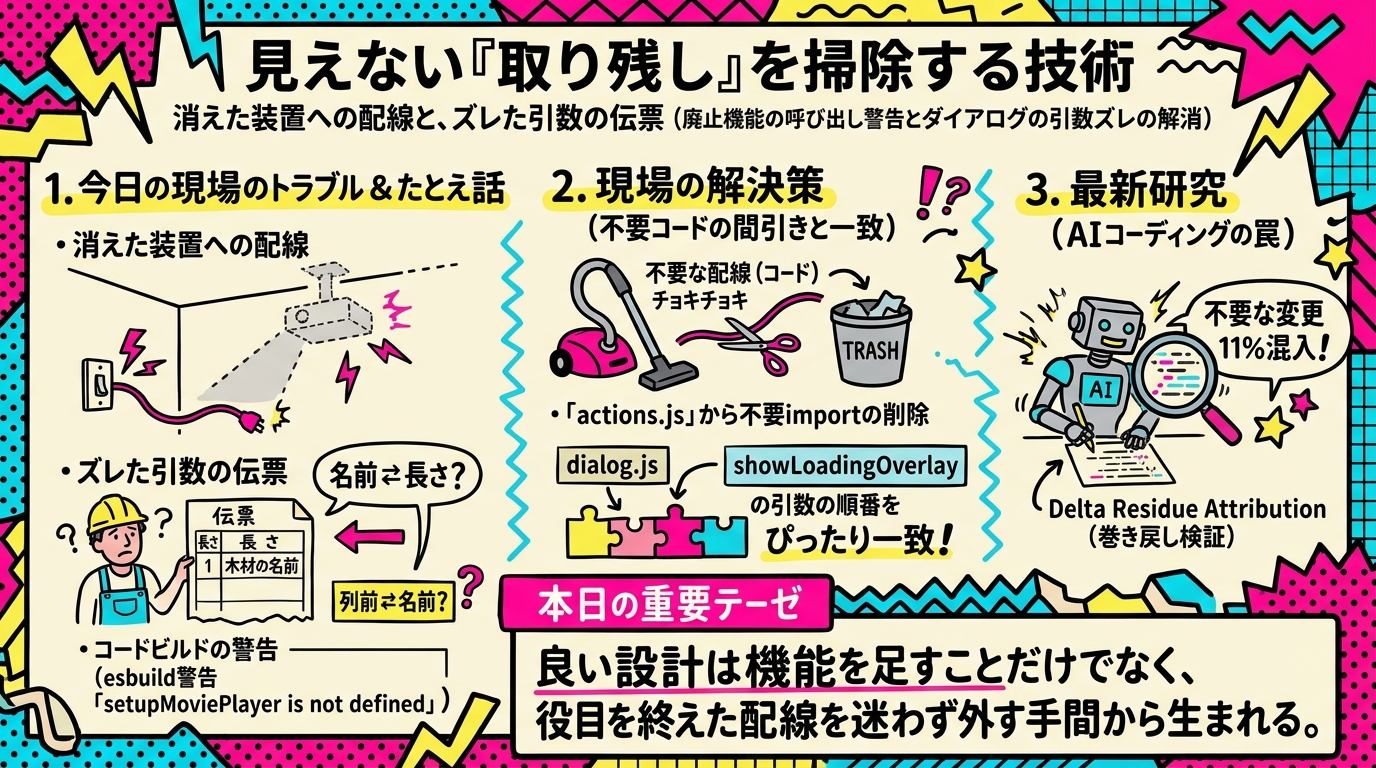
Wiring to a Vanished Device and Misaligned Argument Slips: The Craft of Clearing Invisible Leftovers
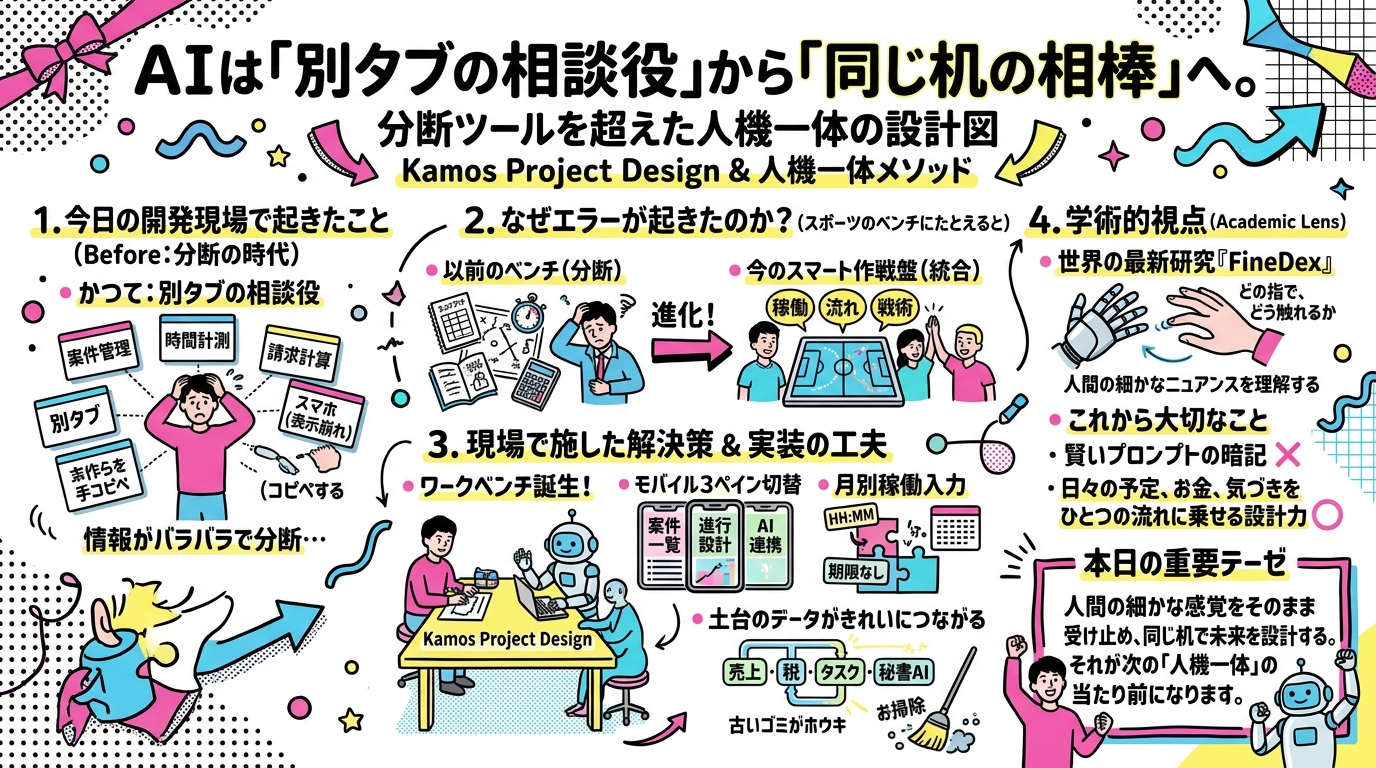
AI Evolves from a 'Consultant in Another Tab' to a 'Partner at the Same Desk': A Blueprint for Human-Machine Unity Beyond Fragmented Tools
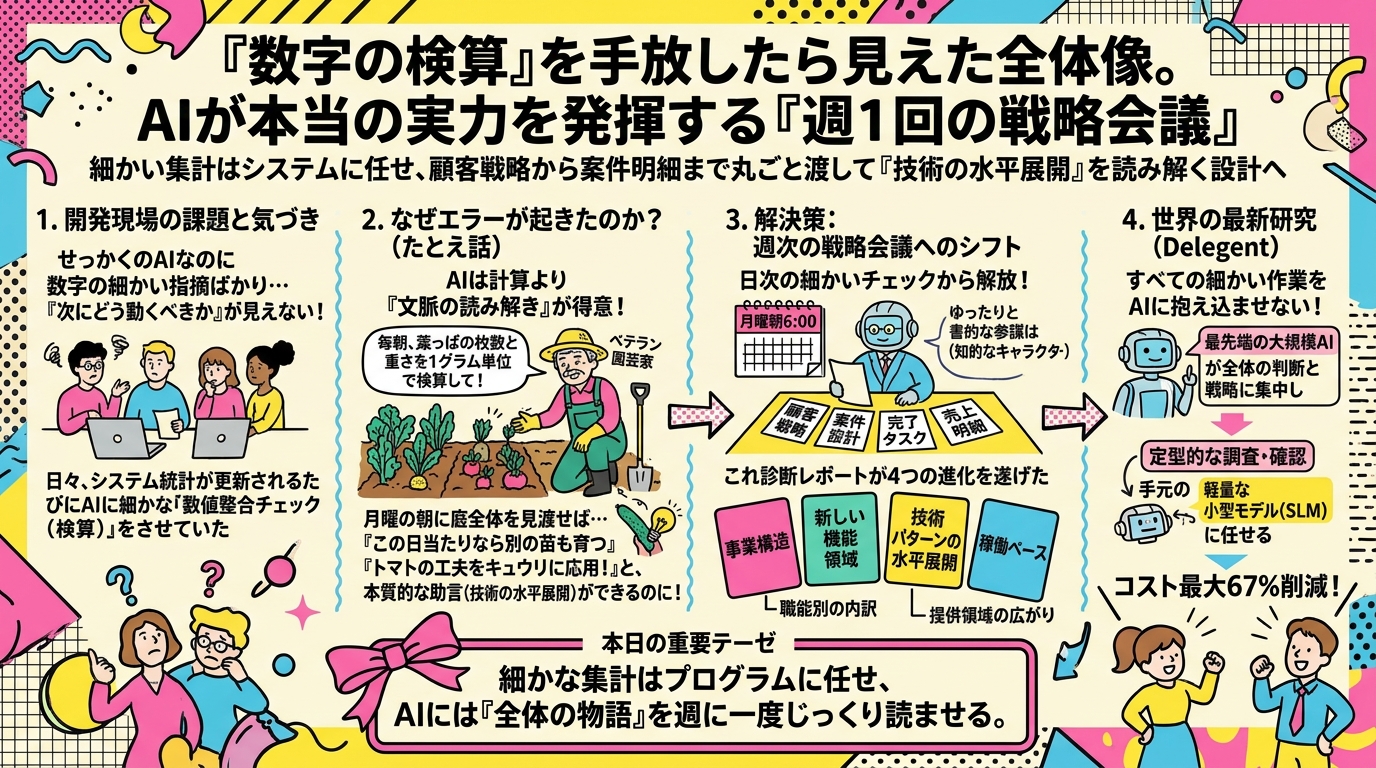
Letting Go of 'Number-Checking' to See the Big Picture: How a Weekly Strategy Sync Unleashes AI's True Potential
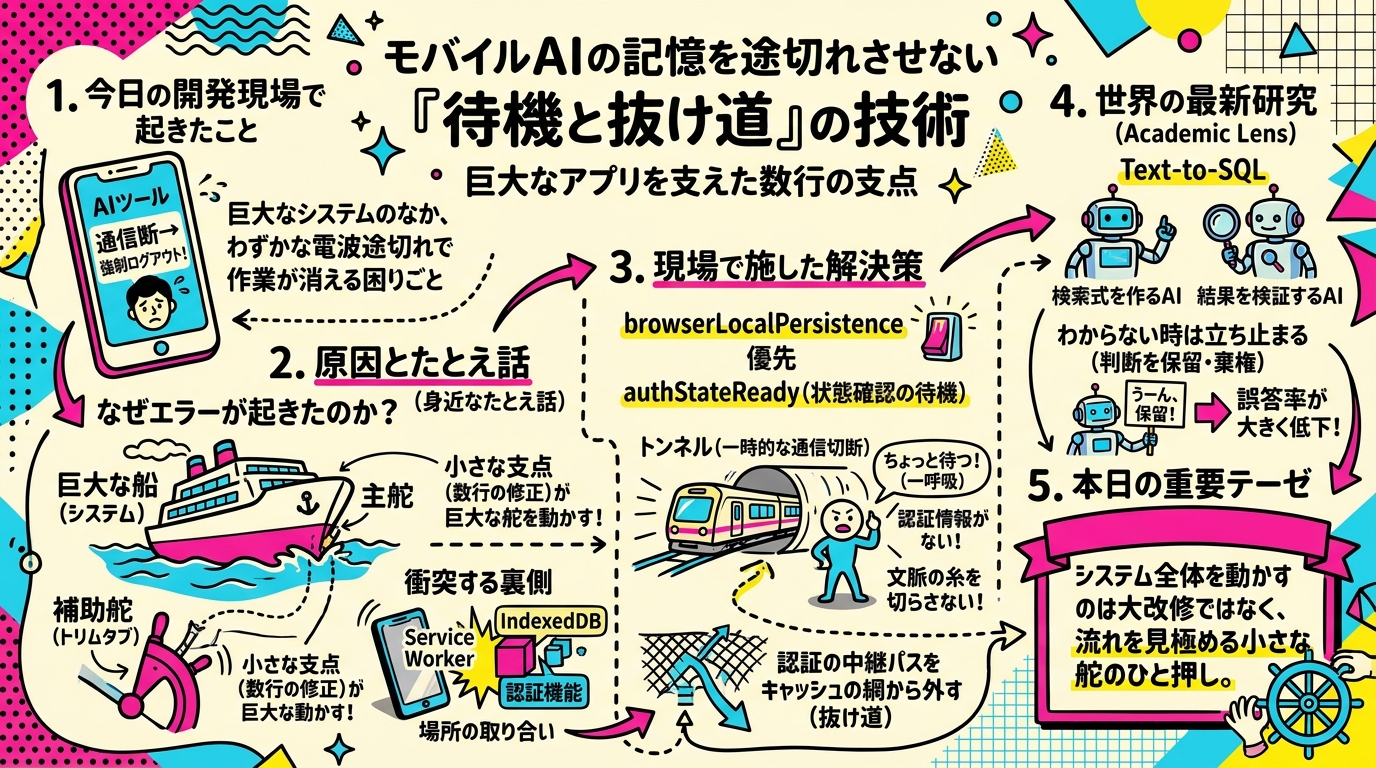
A Few Lines Supporting a Massive App: The Craft of 'Waiting and Bypasses' Keeping Mobile AI Memory Intact
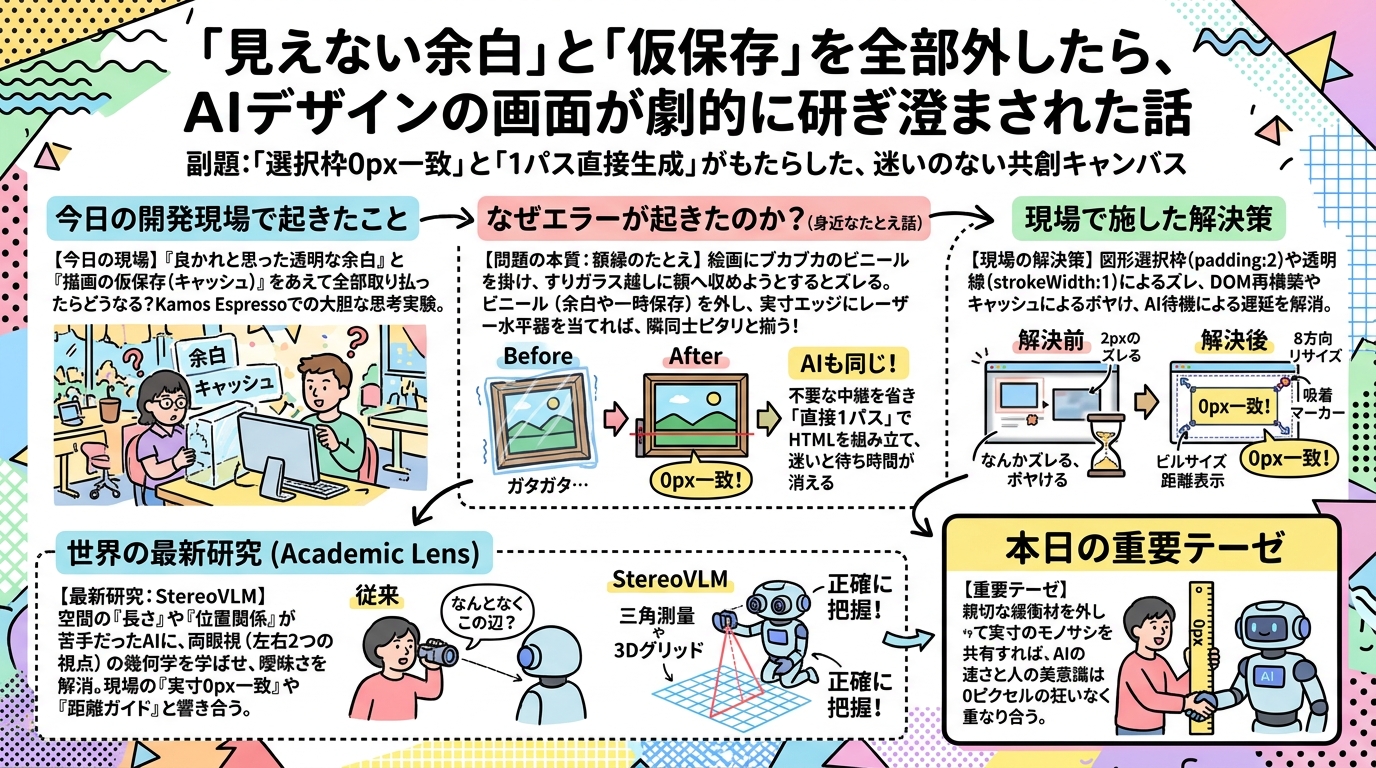
How Stripping Away Invisible Padding and Caching Dramatically Sharpened Our AI Design Canvas
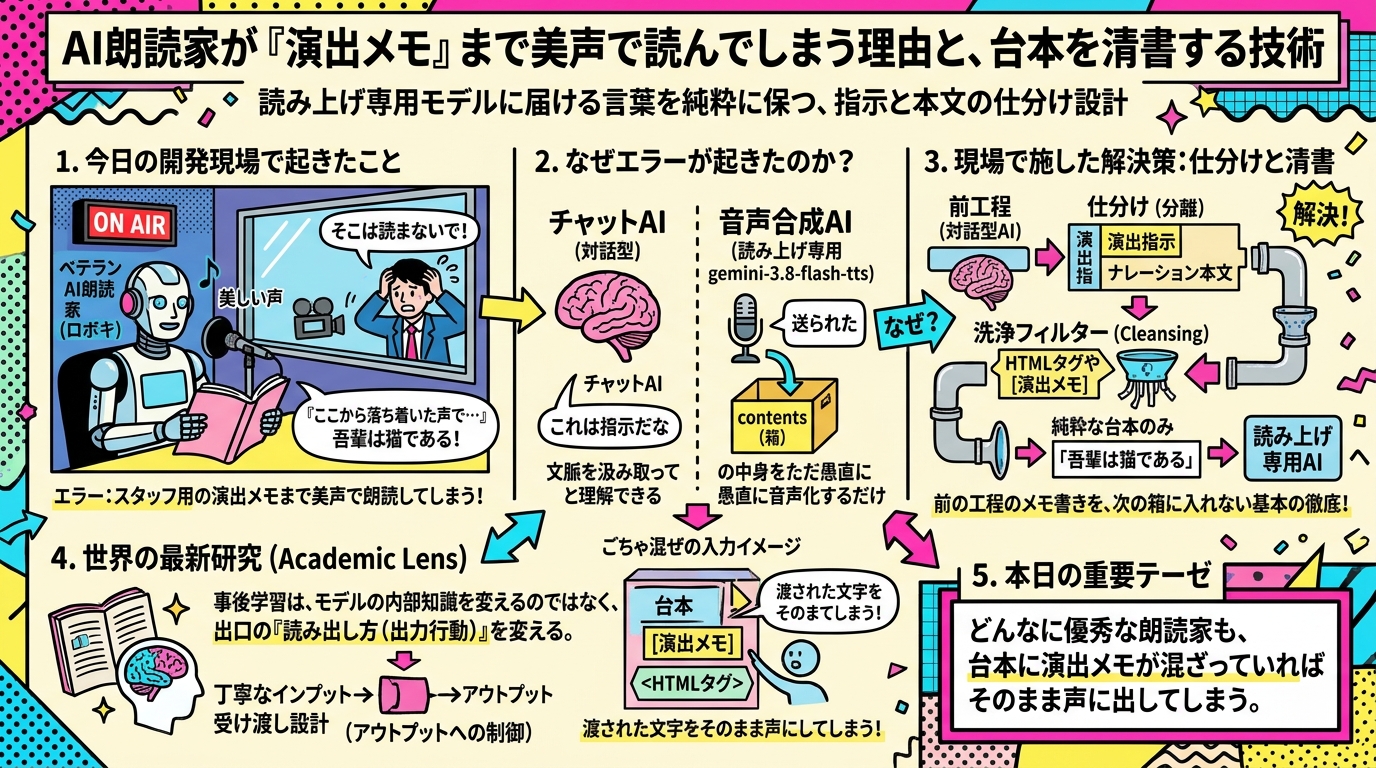
Why an AI Narrator Reads 'Stage Directions' Aloud—and the Art of Scrubbing the Script Clean
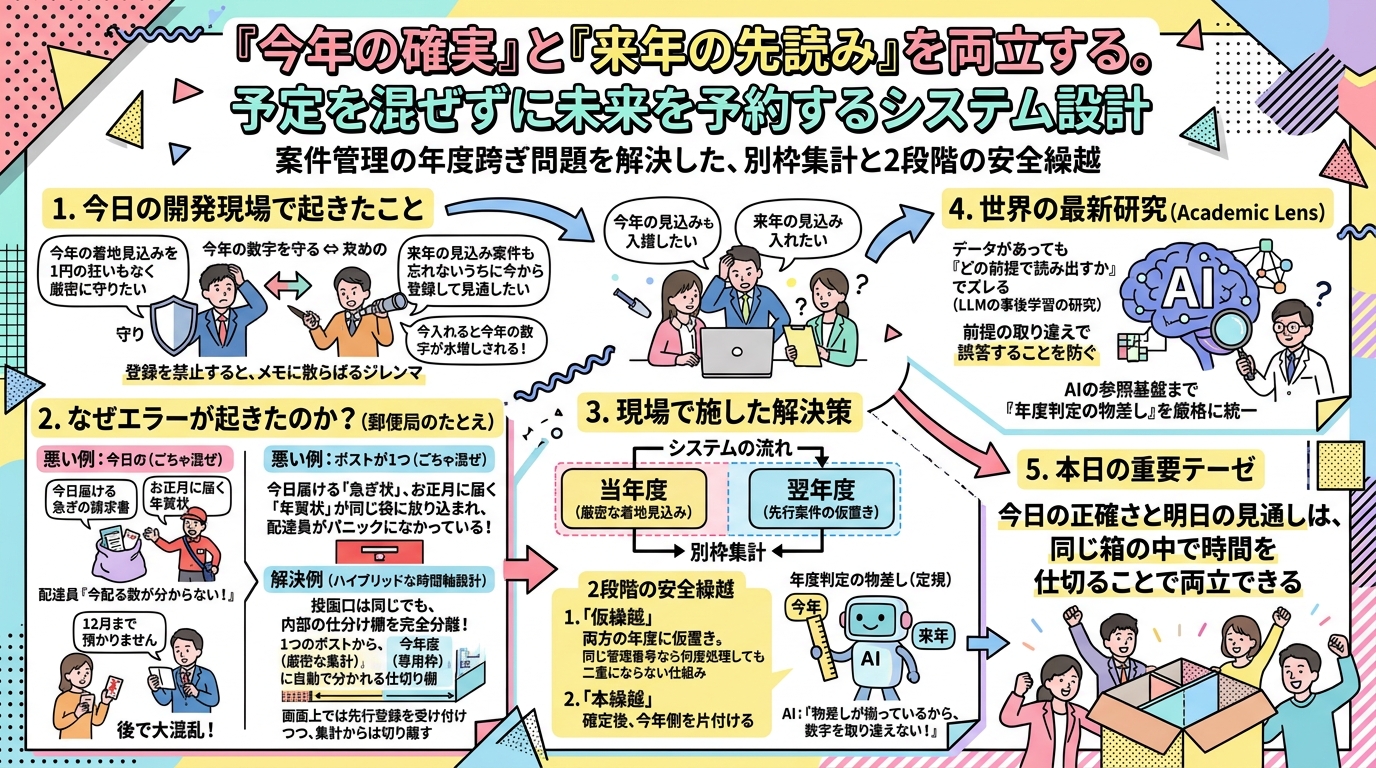
Balancing 'This Year's Certainty' with 'Next Year's Foresight': System Design That Reserves the Future Without Mixing Schedules
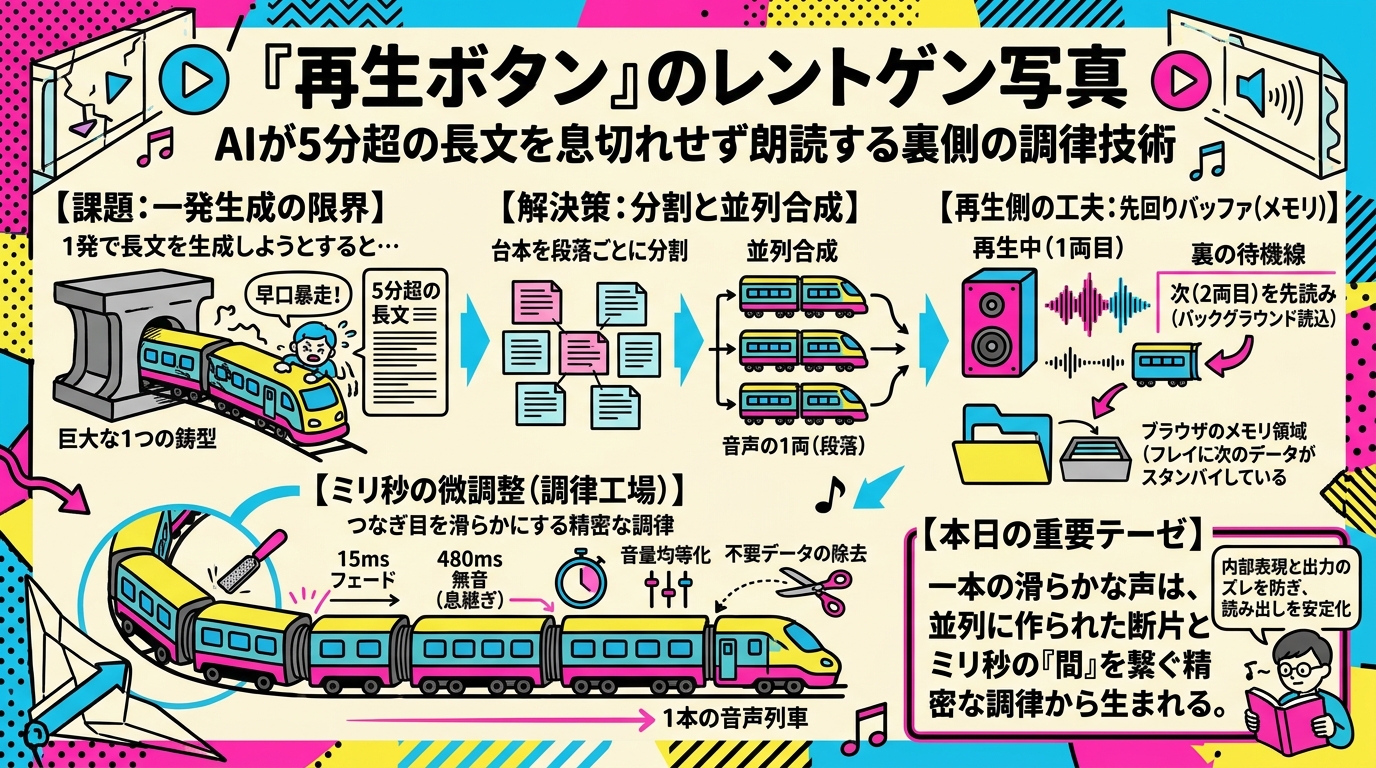
An X-Ray of the Play Button: The Precision Tuning Behind Unhurried Five-Minute AI Narration
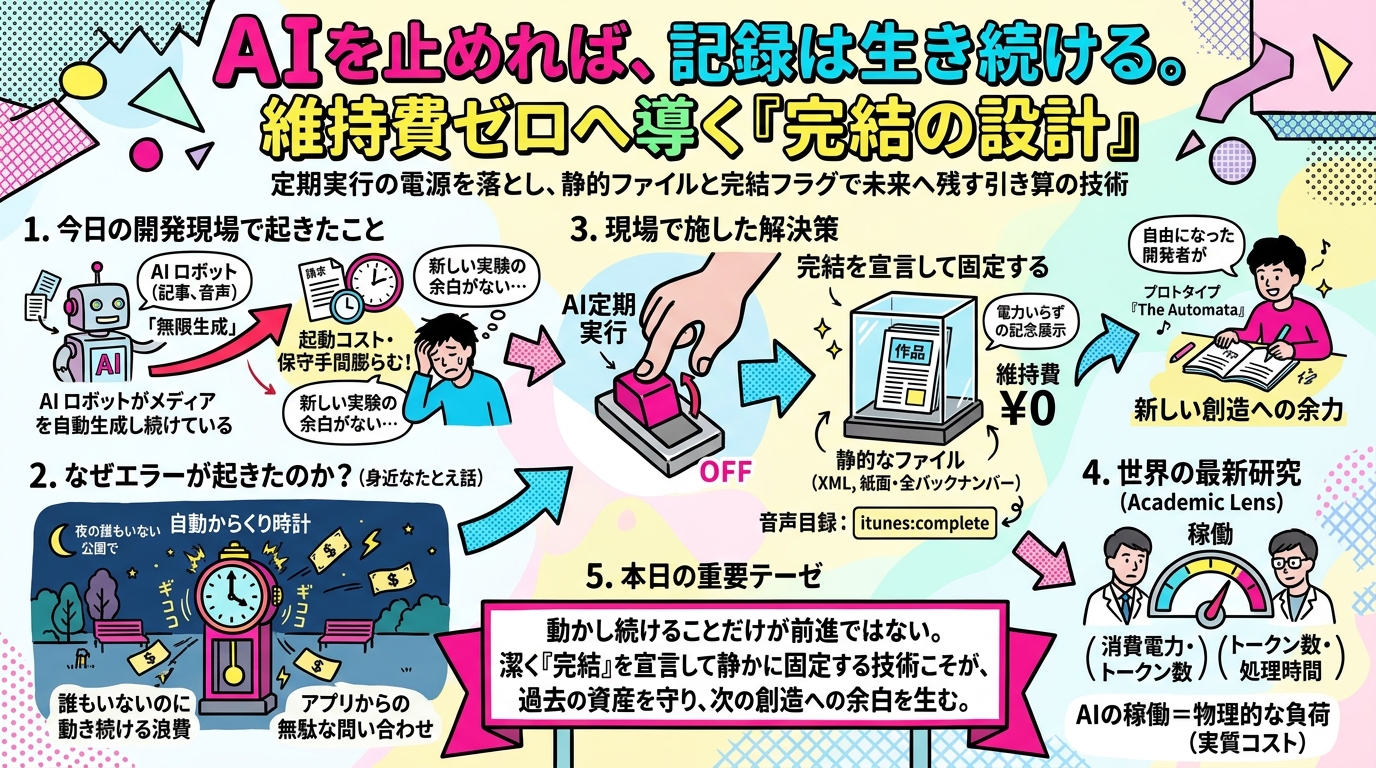
Stop the AI, and the Archive Lives On: Designing for Completion at Zero Maintenance Cost
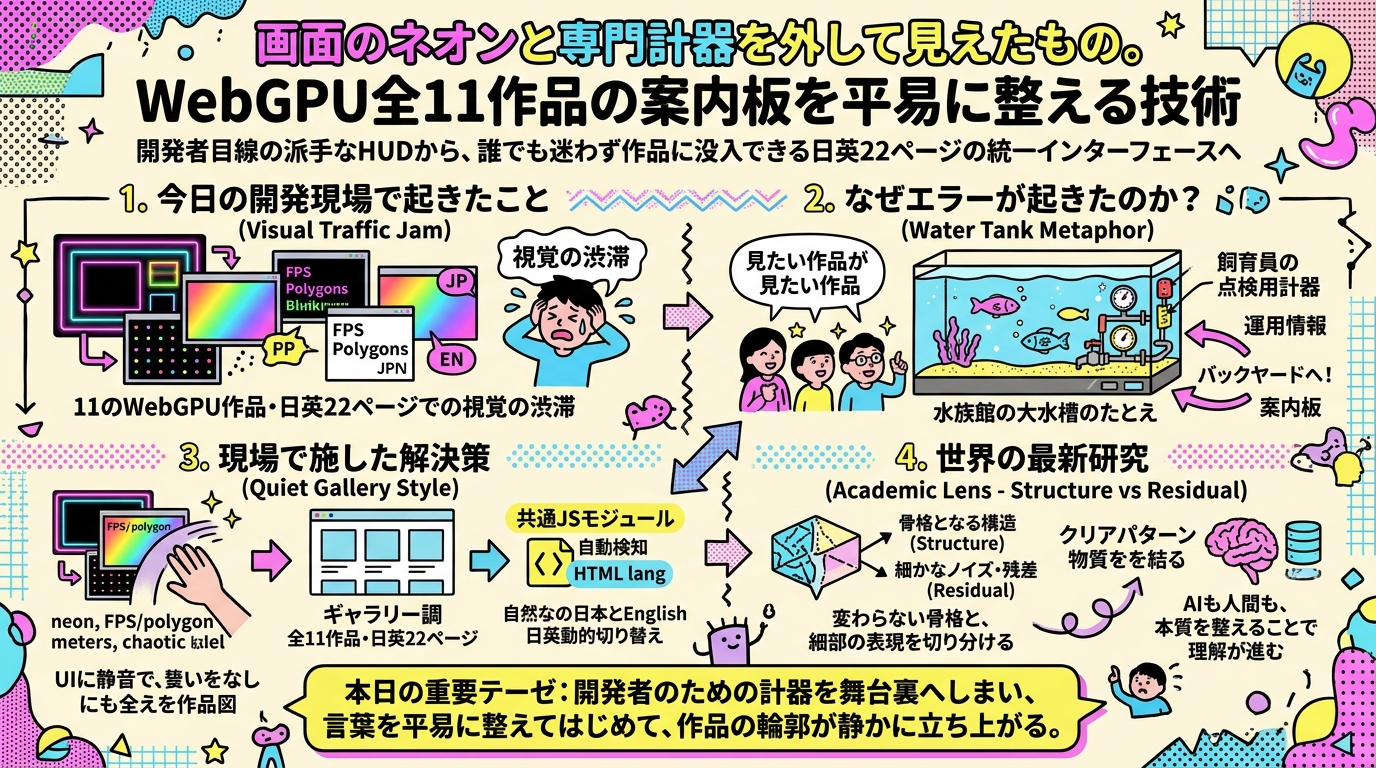
What Appeared When We Removed the Neon and Technical Gauges: Crafting Effortless Wayfinding Across 11 WebGPU Works
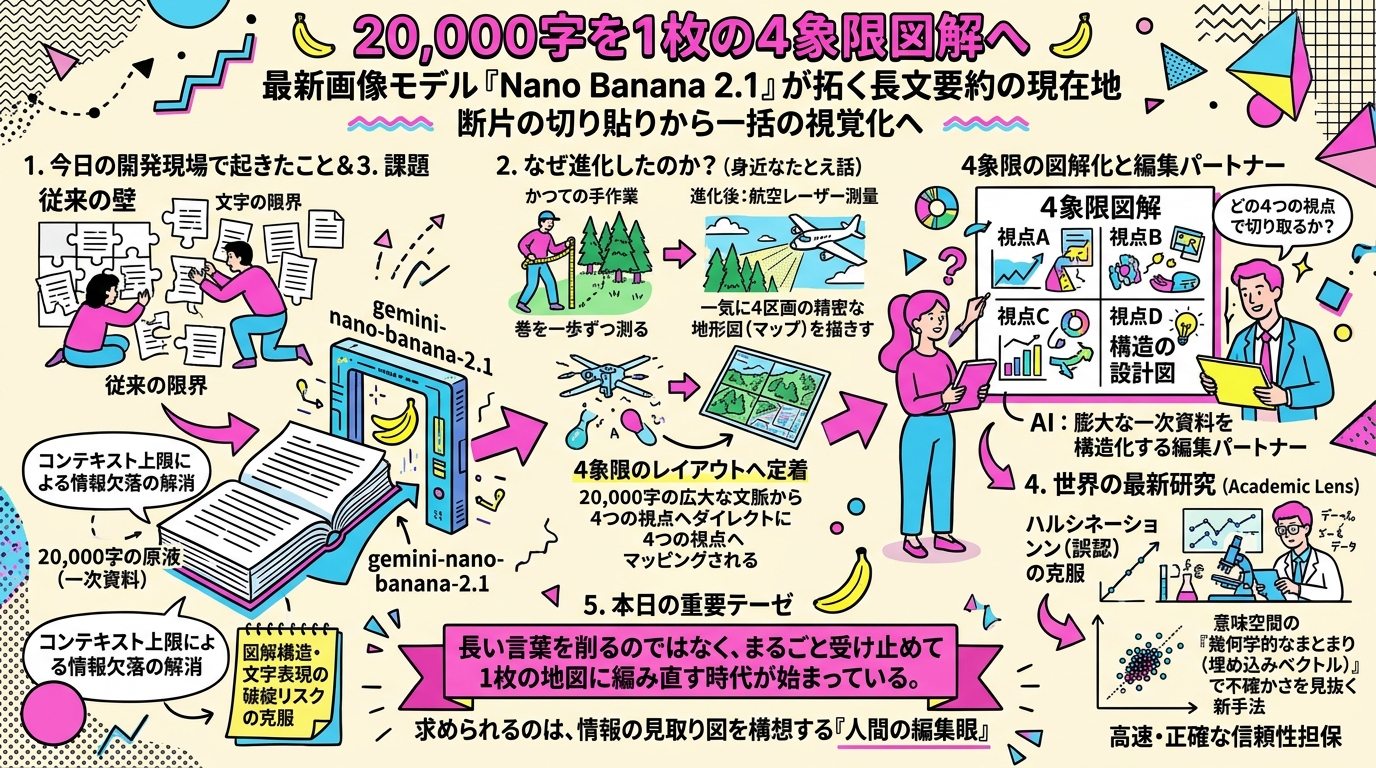
20,000 Characters Distilled into a Single Four-Quadrant Diagram: Where Long-Form Summarization Stands Today with the Latest Image Model, Nano Banana 2.1
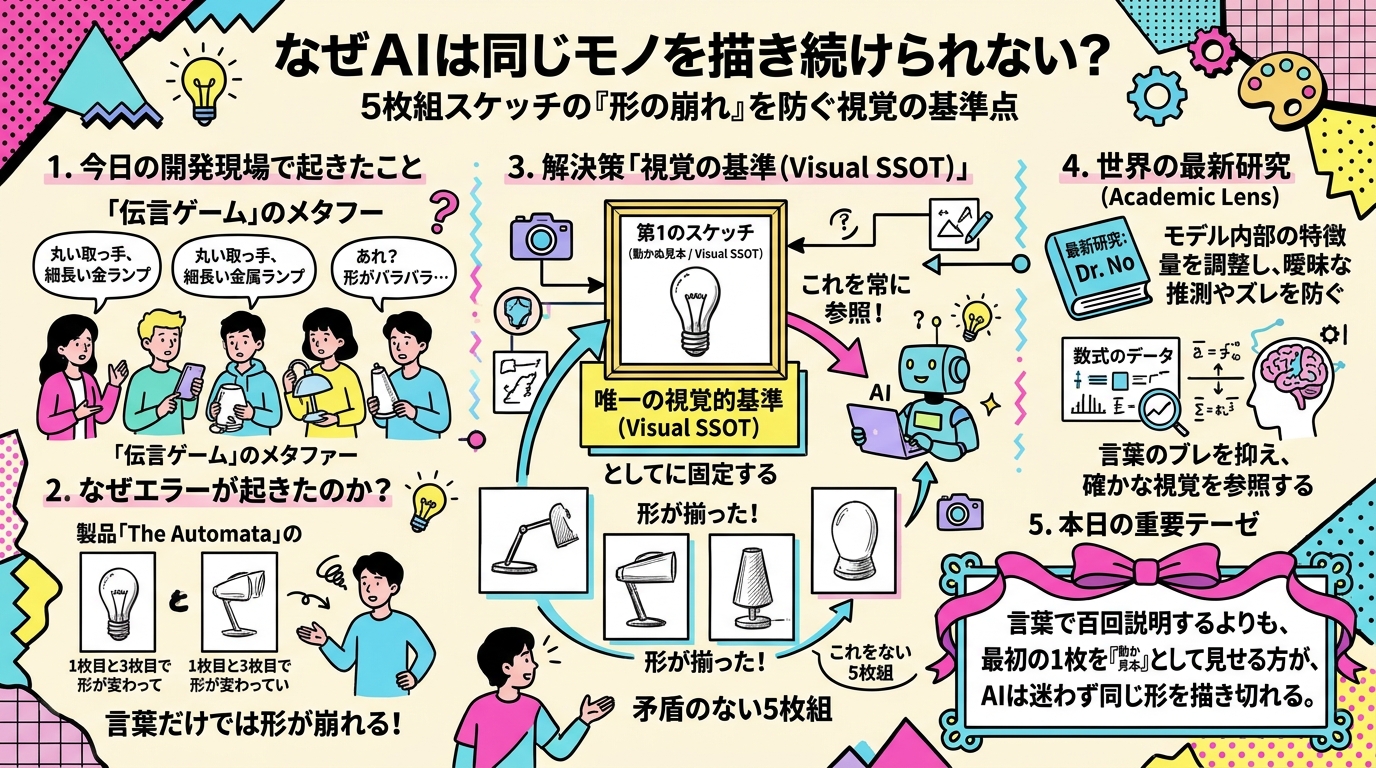
Why Can't AI Keep Drawing the Same Object? A Visual Anchor to Prevent Structural Drift in 5-Panel Sketches