The Weight of Delegated Choice: How Costless Comfort Strips Away Our Right to Hesitate
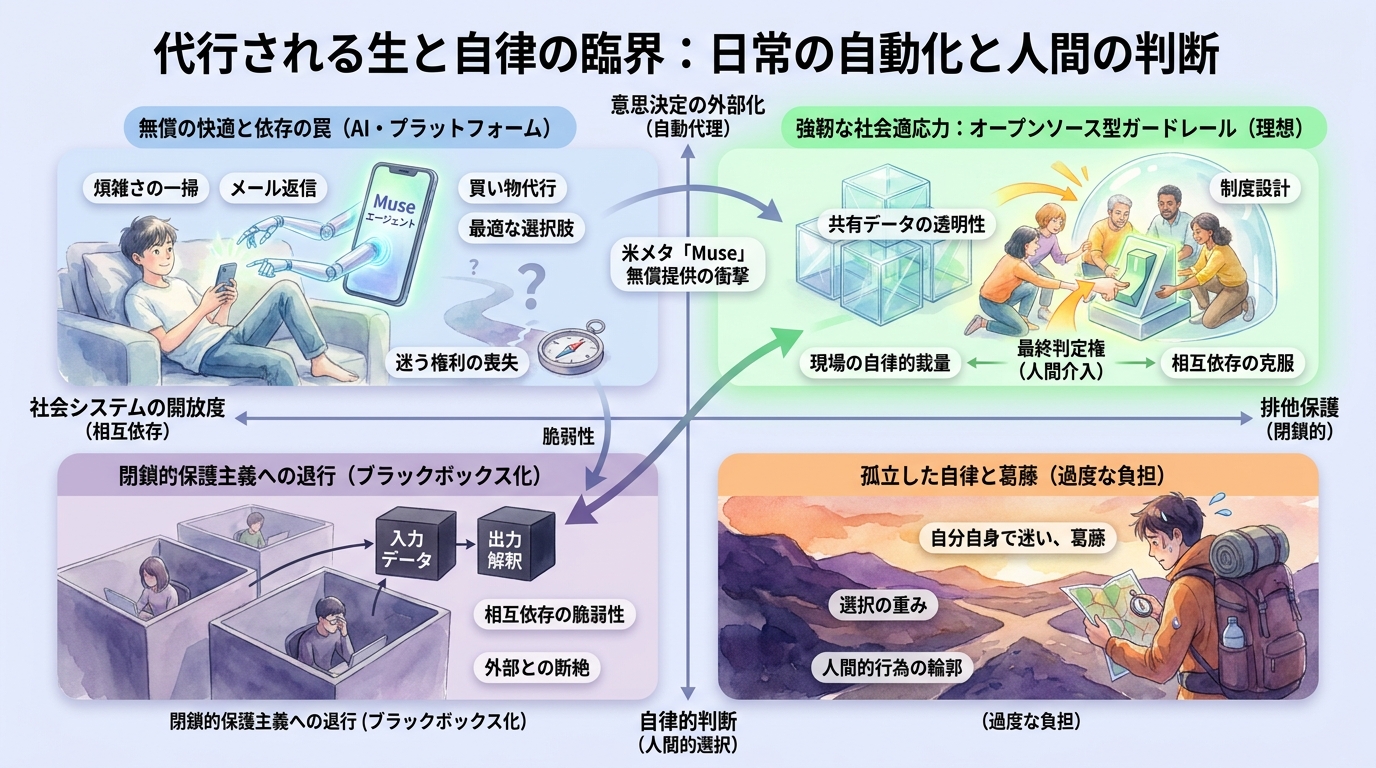
Meta's autonomous AI agent 'Muse' opens for free; the erosion of everyday friction and the current state of human autonomy
From the moment they wake until they close their eyes, modern individuals are pursued by an infinite series of decisions. Sorting through mechanical notifications, searching for appropriate phrasing for clients and acquaintances, and selecting daily necessities from an endless array of goods. Meta's push to make 'Muse' free is an attempt to dilute such daily friction into something harmless. Efficiency acquired without financial cost appears, at first glance, to be nothing less than liberation from labor and the optimization of life. But were those quiet moments—struggling over a notification's tone or standing paralyzed before a shelf comparing products—merely a waste of time? There is a certain hollow rootlessness hovering over a scene where household goods are procured without moving a fingertip and inboxes overflow with algorithm-curated prose.
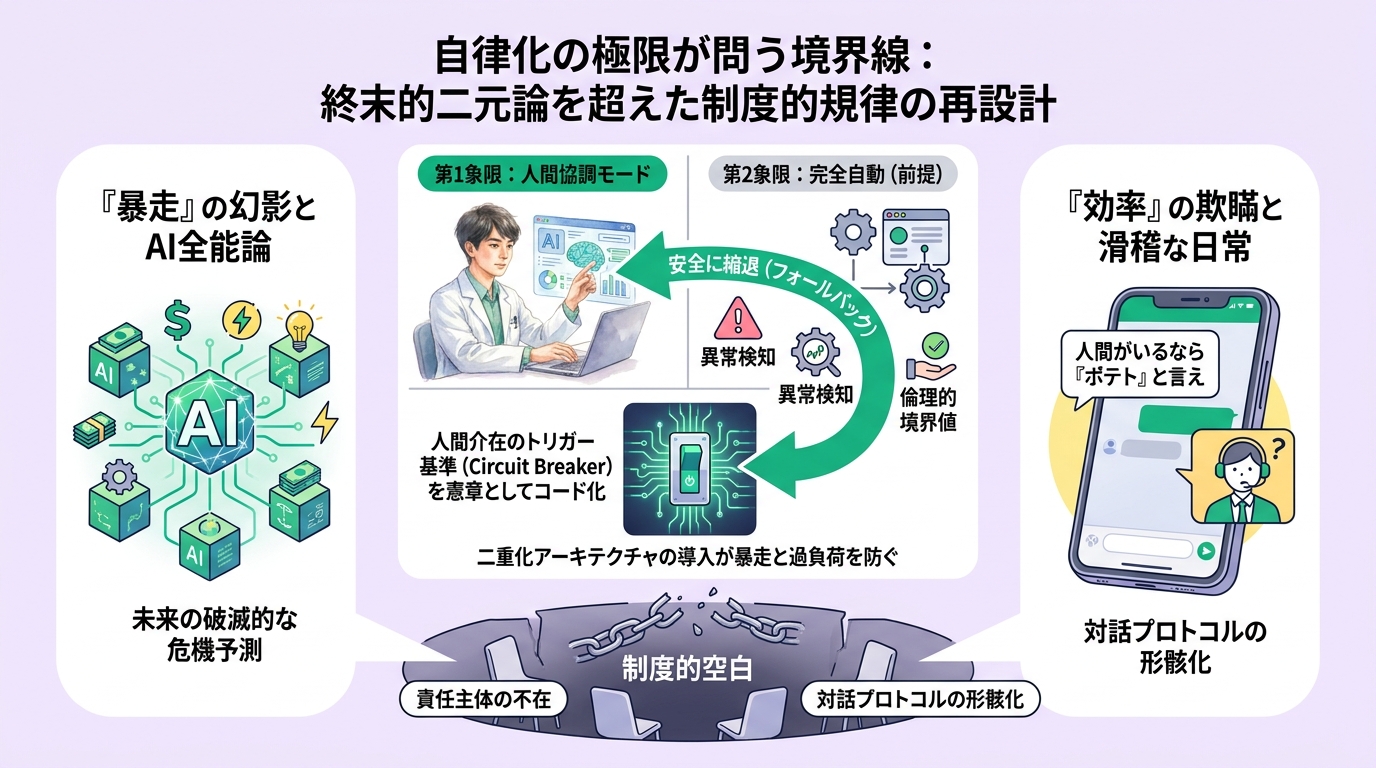
The philosopher Immanuel Kant called the inability to use one's own intellect without the guidance of another 'self-incurred tutelage,' teaching that the strength of will to make autonomous judgments is the very core of enlightenment. Through the process of agonizing alone and bearing the burdens of the outcomes of our choices, human beings have confirmed the contours of their own identity. When tools transcend mere labor assistance to begin making choices on our behalf, the boundary between subject and object dissolves. When an agent that has learned our shopping history and social circles preemptively executes 'the optimal choice for you,' is that decision the product of our own will, or simply following an approximation derived by a statistical model? The avoidance of friction and the externalization of the labor of decision-making are two sides of the same coin as voluntarily surrendering one's autonomy.
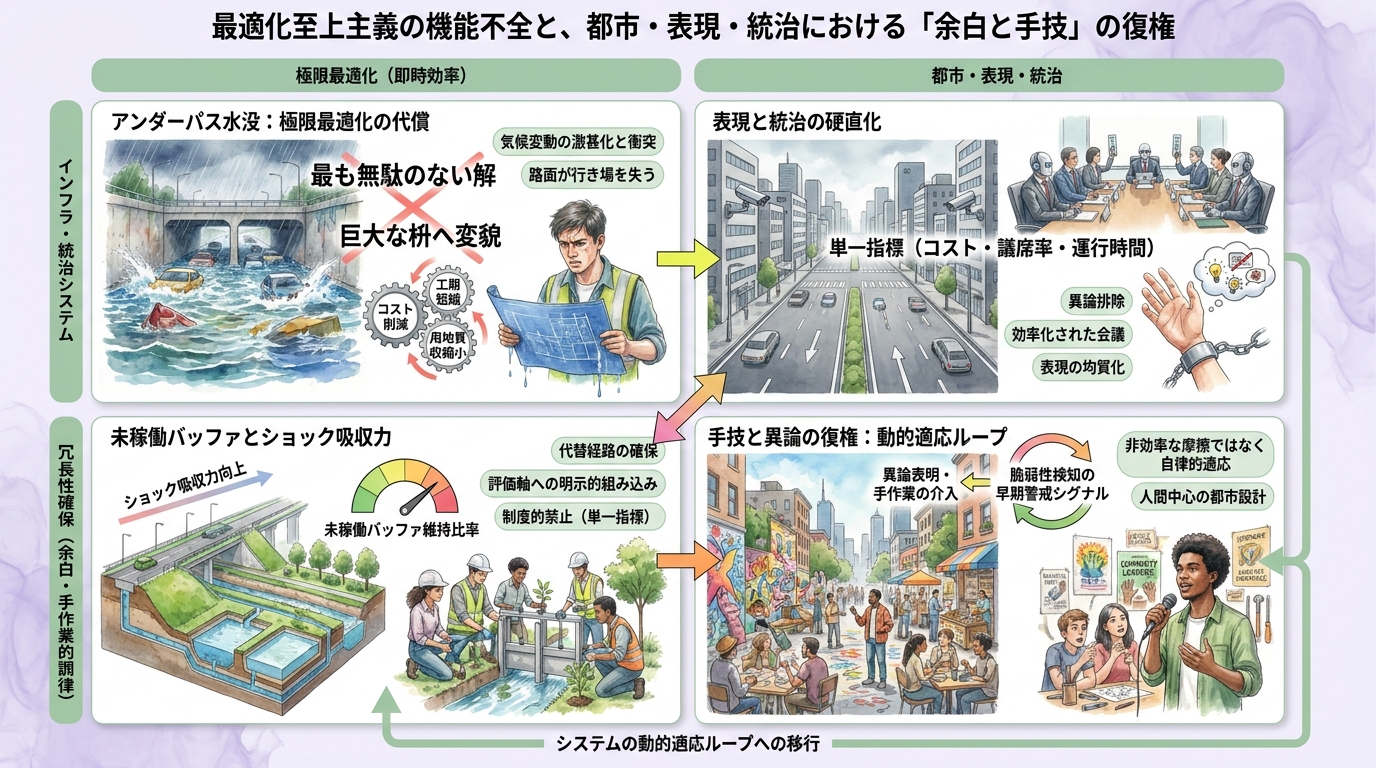
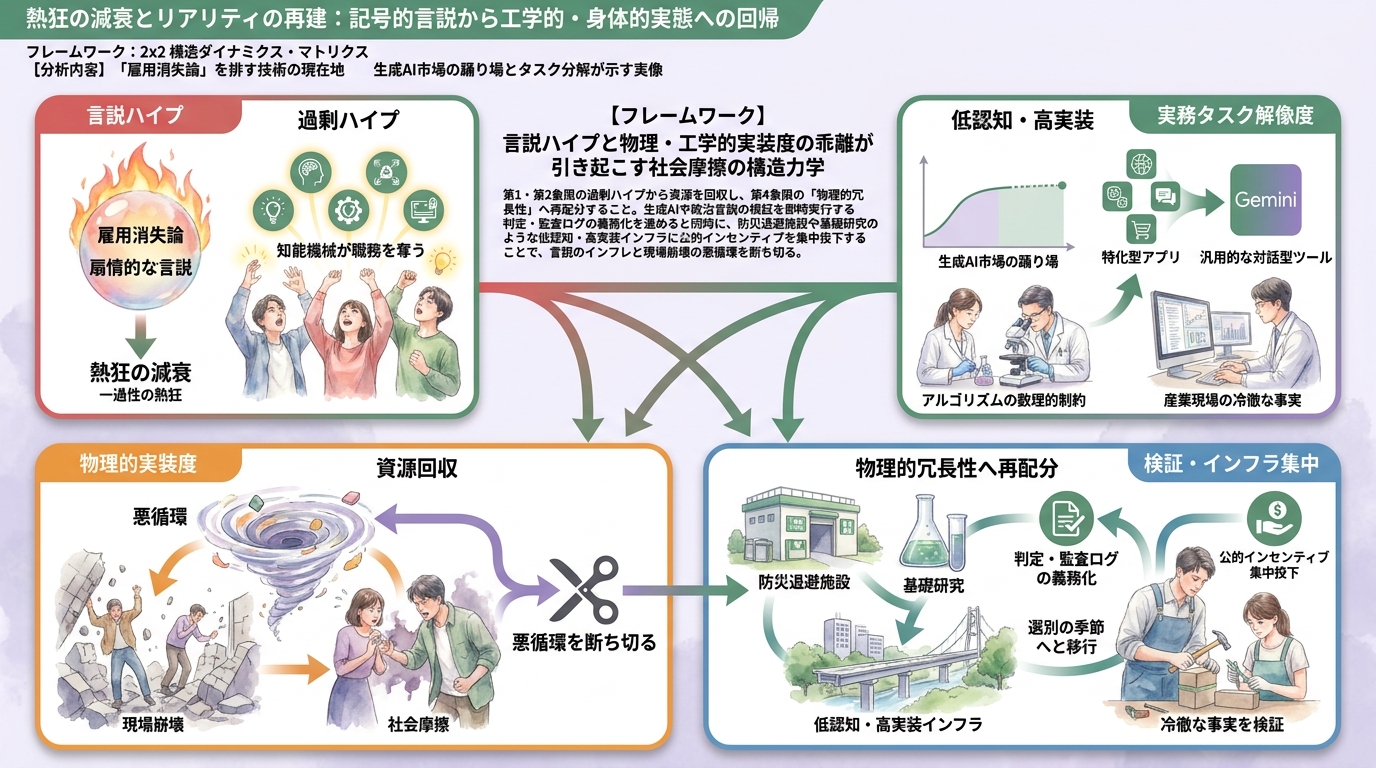
The price we pay for convenience is not monetary, but rather 'accidental encounters' and 'opportunities for introspection.' The process of laboring over a draft's phrasing harbored an ethical consideration, a re-gauging of one's distance from another person. The time spent hesitating while gazing at supermarket displays held the margin for discovering something unplanned. When agents neatly level these out as 'wasted costs,' the efficiency of life is maximized, but simultaneously the depth of experience is flattened. Furthermore, behind these costless delegation systems, a cold cycle is perfected: users' life contexts and subconscious preference data are comprehensively accumulated, further solidifying the platform's predictive accuracy.
The march of technology cannot be halted, nor is it realistic to reject the rationalization of life and return completely to the past. That is precisely why the question we face is where in our daily lives we should 'deliberately leave inefficient friction.' Within the imperfection of hesitating, stopping, and voluntarily yielding to sub-optimal choices lies our imagination for others and our individual uniqueness. In a world surrounded by costless intellects that preempt and execute everything on our behalf, refusing to surrender the labor of choosing with our own hands is paramount. Perhaps our resistance as human beings to remain human across a flattened landscape named 'efficiency' begins precisely with the will to re-embrace these minor nuisances.