The ¥10 Trillion AI Investment Frenzy and the Resurgence of Inflation: How Compute Scarcity Propels Sticky Interest Rates
Anthropic's IPO plans and an upside surprise in U.S. CPI underscore the paradox of digital scaling straining physical infrastructure
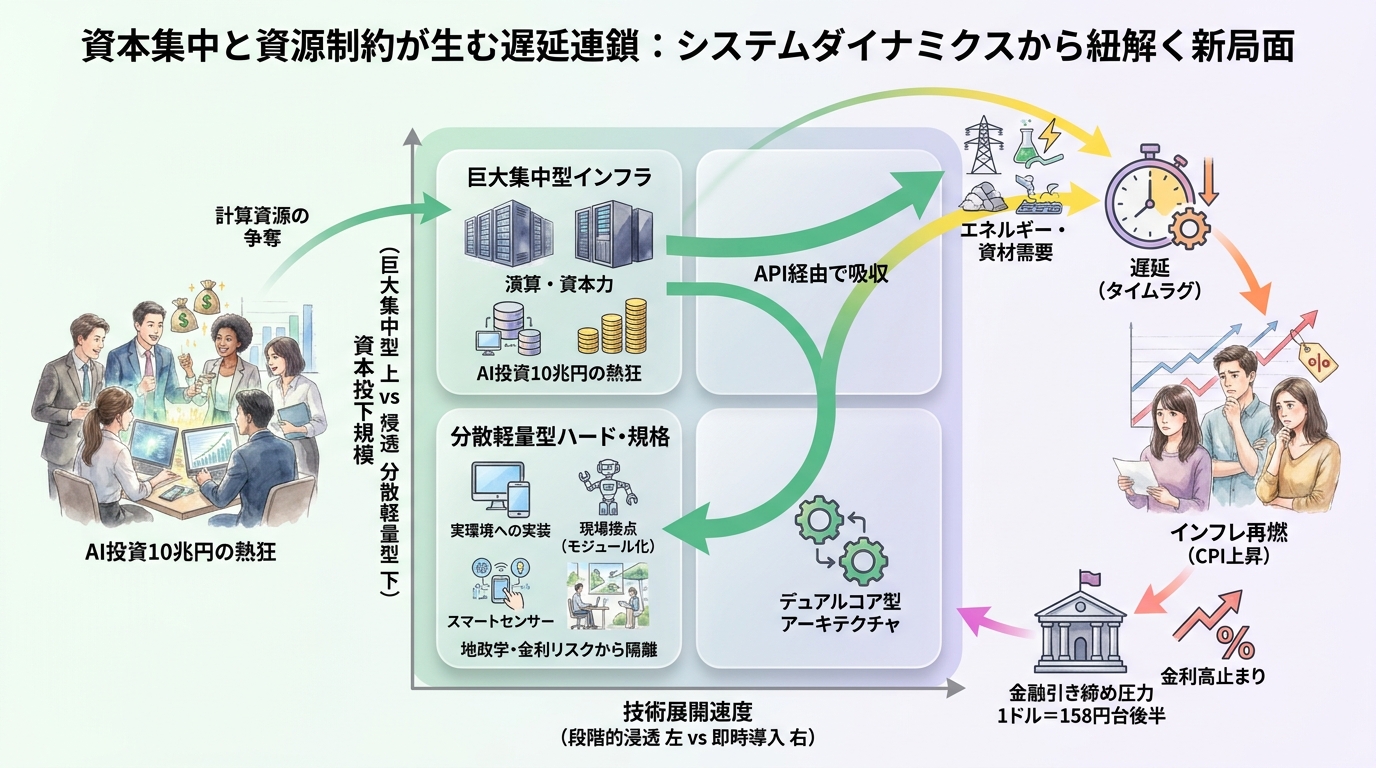
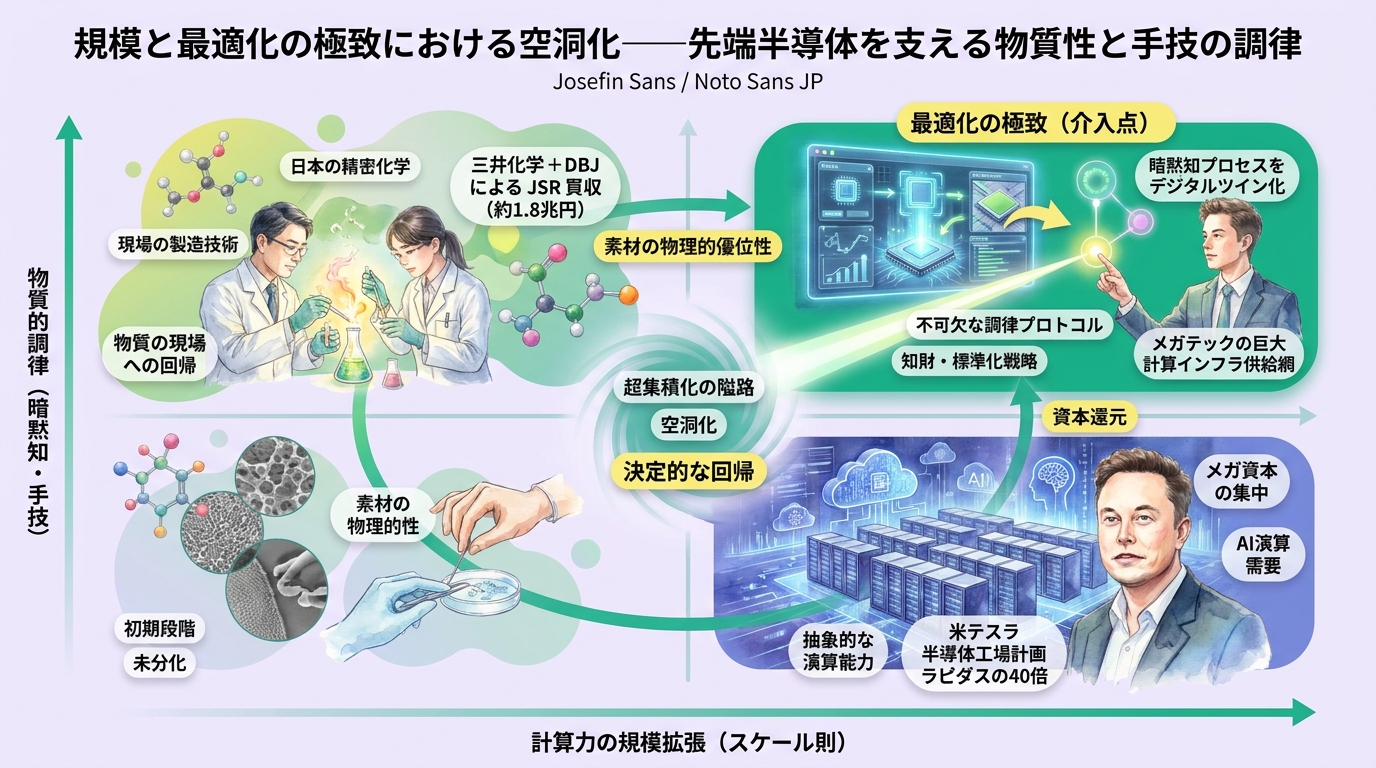
The race to develop frontier foundational models has entered a phase predicated on unprecedented capital concentration. Anthropic's ¥10-trillion IPO blueprint reflects a reality where astronomical upfront investments are no longer confined to algorithmic refinement: they are vital for securing cutting-edge GPU clusters, acquiring data center real estate, and developing gigawatt-scale transmission and distribution grids. Yet, as this massive influx of capital courses through supply chains, the October U.S. CPI printed a 0.4% monthly increase, shattering hopes of cooling inflation. While the S&P500 lingers at 7,521, the fallout from climbing interest rates has propelled the dollar to ¥158.81. Capital expenditures deployed to expand digital intelligence are actively competing for physical resources, driving up prices directly.
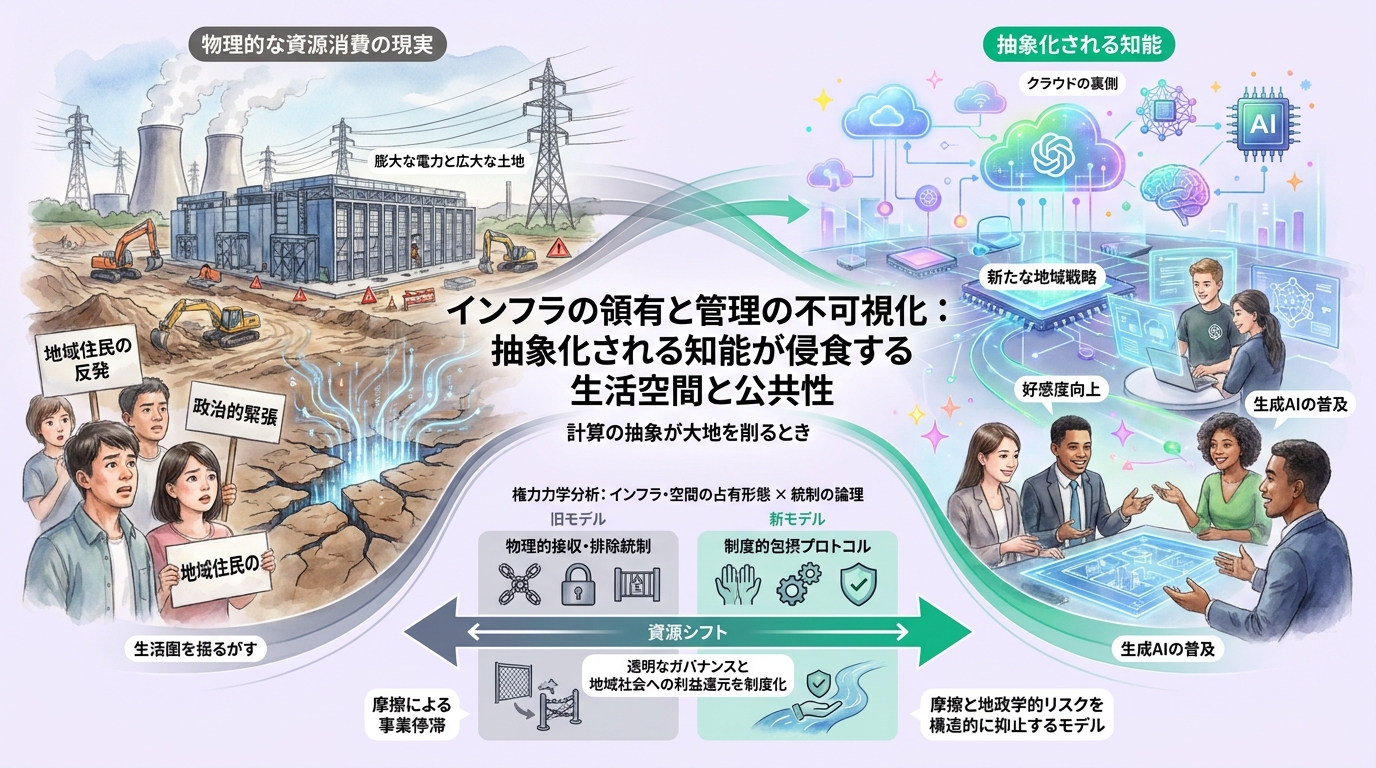
Operating beneath the surface is a self-reinforcing feedback loop woven from hyper-heated capital raising and physical infrastructure bottlenecks. As the parameter scale and inference demand of AI models surge, data center operators preemptively secure wholesale power purchase agreements, stretching delivery lead times for switchgear, turbines, and copper cabling into years. This concentration of capital investment inflates the costs of heavy electrical and infrastructure materials, a burden subsequently passed down to energy tariffs and commercial real estate rents. The gargantuan liquidity demand generated by the digital sector causes friction within real-economy supply chains, bouncing back as a sticky force preventing price indices from declining.
The intervention point to unravel this feedback loop lies in pivoting from a brute-force expansion of model scale to a fundamental overhaul of computational and power-conversion efficiency. Unless software optimization, low-power application-specific integrated circuits (ASICs), or thermal design revamps can dramatically suppress power consumption per inference, the marginal utility of capital inputs will continue to decline. Before the hard physical boundaries of grid capacity, a growth model dependent solely on hurling massive liquidity risks triggering localized social friction through rising electricity costs. Engineering discipline aimed at elevating inference throughput per unit of consumed energy—rather than the sheer velocity of procuring compute resources—remains the key to mitigating inflationary pressures and ensuring investment sustainability.
While individual firms pour vast sums into maintaining state-of-the-art capabilities as a rational pursuit of corporate value maximization, their collective aggregation triggers a fallacy of composition that entrenches high interest rates and inflation across society as a whole. The rebound in U.S. CPI and mounting expectations for a December rate hike compel a re-evaluation of technology investment models designed under the assumption of accommodating financial conditions. Rising borrowing costs compress balance sheets not only for fledgling tech firms but across manufacturing industries rushing to upgrade equipment. To maintain a healthy capital cycle underpinning the evolution of digital intelligence, the macroeconomic dynamic must be retuned: shifting away from localized compute-infrastructure expansion wars toward a coordinated resource-allocation framework anchored by the simultaneous scaling of base power grids and computational efficiency.