Flawed Code, Halting Wheels: Fukaya Crash and Generative AI Blind Spots Expose the Wall of Physical Deployment
Java's Error Rate at '6.7 Times Python' Reveals Friction Between Logic and Physical Space, Underscoring the Need for Verification Rigor
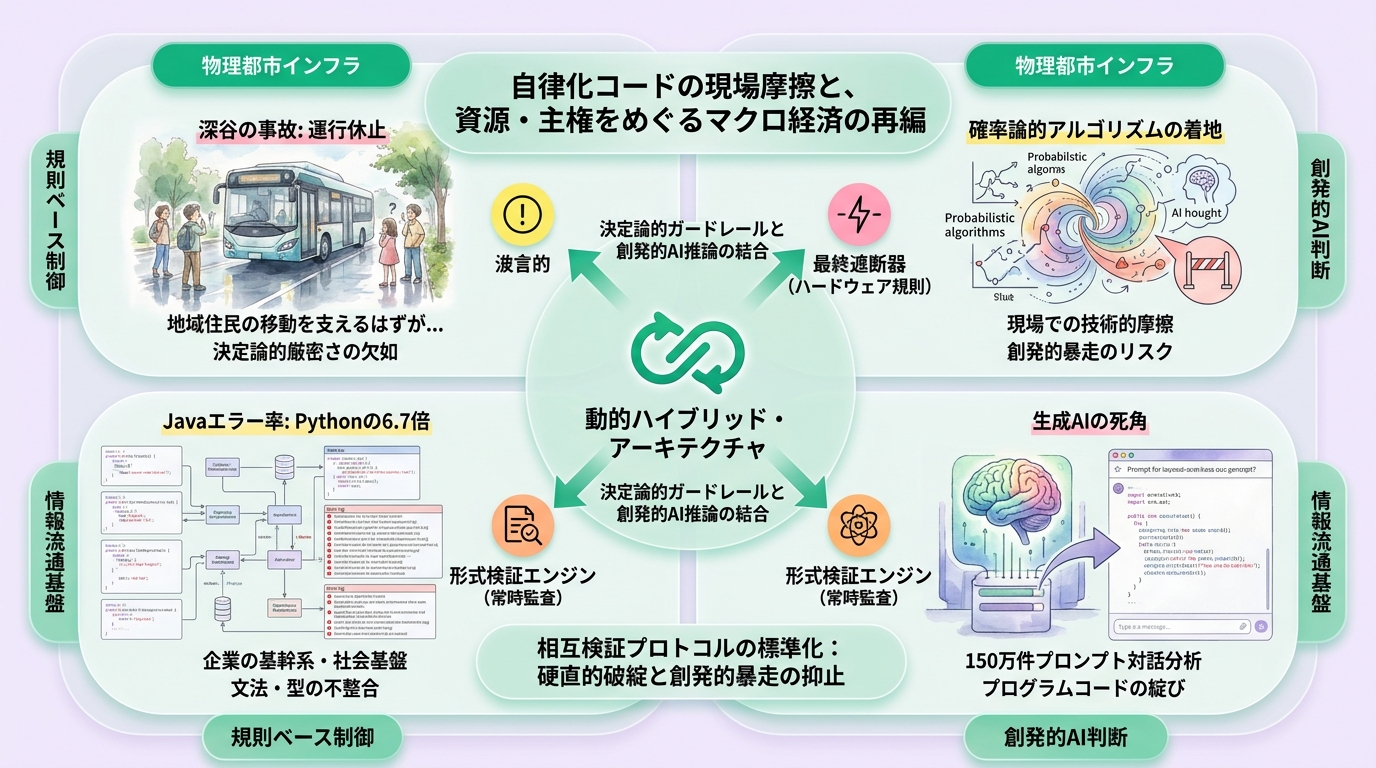
As quiet returned to the scene in Fukaya, all that remained were a guardrail grazed by the chassis and an operational timetable rendered obsolete. While it was fortunate that no casualties occurred, the incident raises an inescapable question: why did the control loop—responsible for detecting obstacles, calculating trajectories, and actuating hydraulic braking—breach its physical operational boundaries twice? Meanwhile, deep behind the monitors where developers toil daily, an identical 'logical divergence' has been quietly accumulating. According to findings reported by ITmedia, amidst the accelerating adoption of AI coding assistants, code generation for Java—which demands strict type definitions and verbose syntax—exhibits errors at an alarming 6.7 times the frequency observed with Python, a dynamically typed language. While large language models excel at probabilistic token prediction and mimicking concise scripts, they betray acute fragility when confronted with the exacting, deterministic grammar demanded by enterprise frameworks.
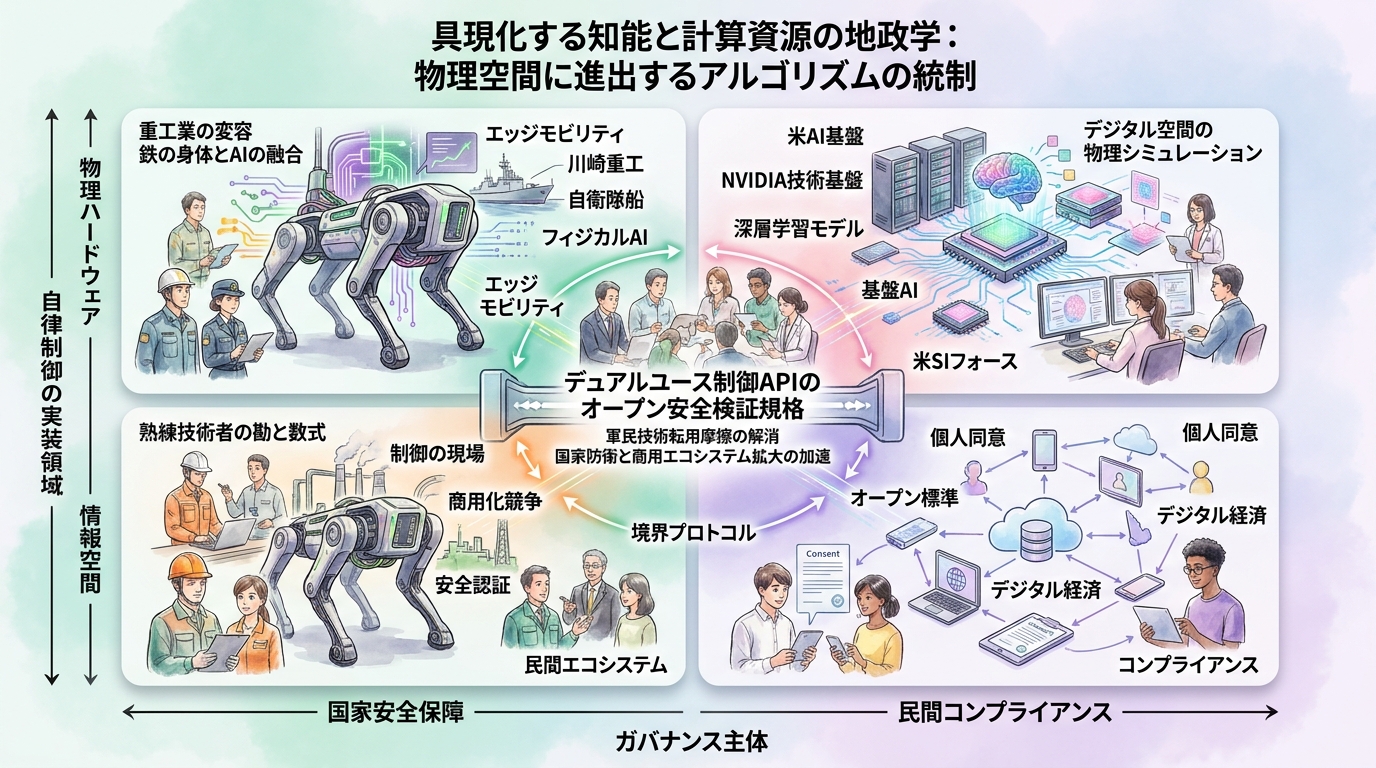
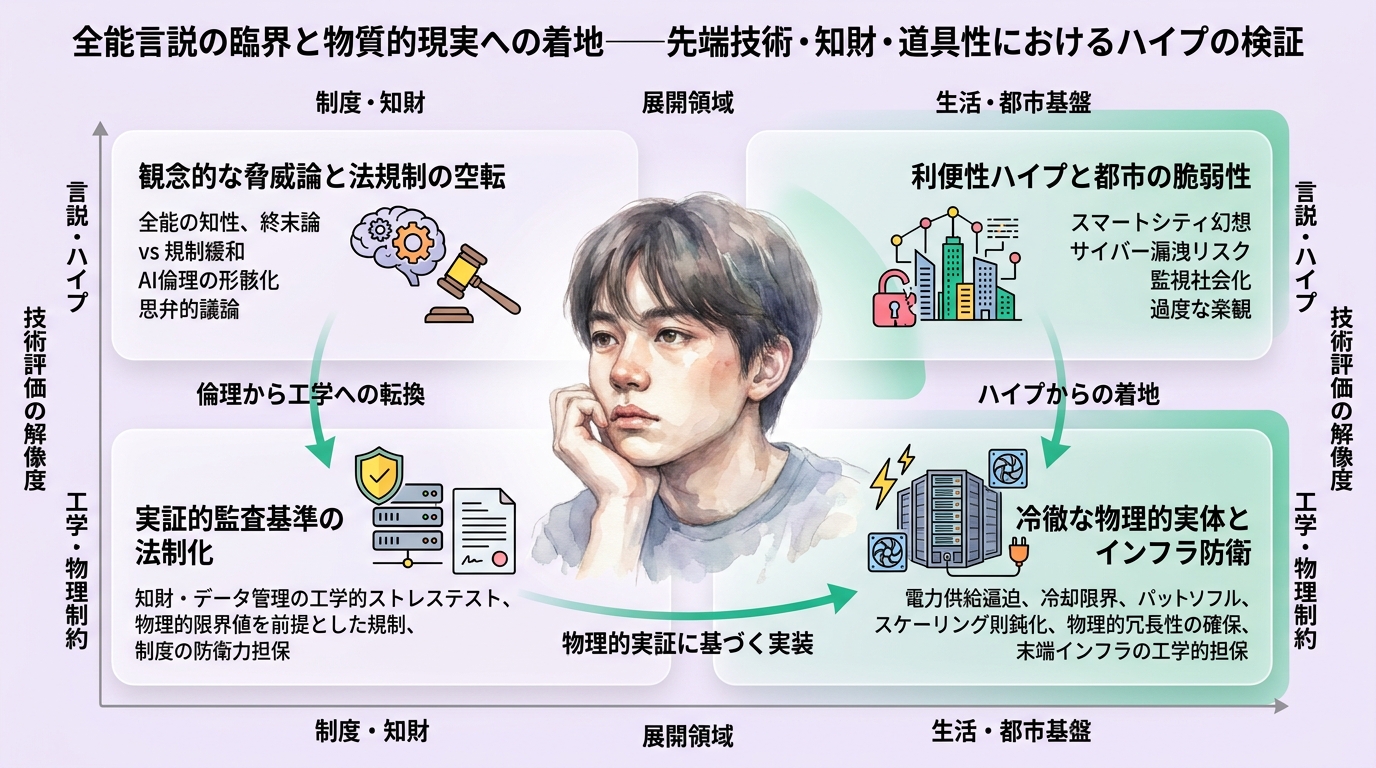
A syntax error on a screen and a physical collision on a public thoroughfare appear vastly disparate at first glance, yet their underlying architectures are strikingly convergent. The global push toward 'Physical AI'—the endeavour to instantiate digital intelligence within physical machinery such as automobiles, construction equipment, and robotics—is profoundly altering software engineering dynamics. Conventional embedded systems were engineered through deterministic mathematical logic, rigorously verified by human engineers line by line within bounded functional envelopes. Yet the moment AI is introduced to compress development cycles, and deep learning models are entrusted with environmental perception, statistical variance is injected into the core system. The 1.5 million dialogue logs serve as an urgent warning: uncritical ingestion of AI-generated code blinds teams to pervasive framework mismatches and broken dependencies, threatening to leak catastrophic vulnerabilities into mission-critical infrastructure.
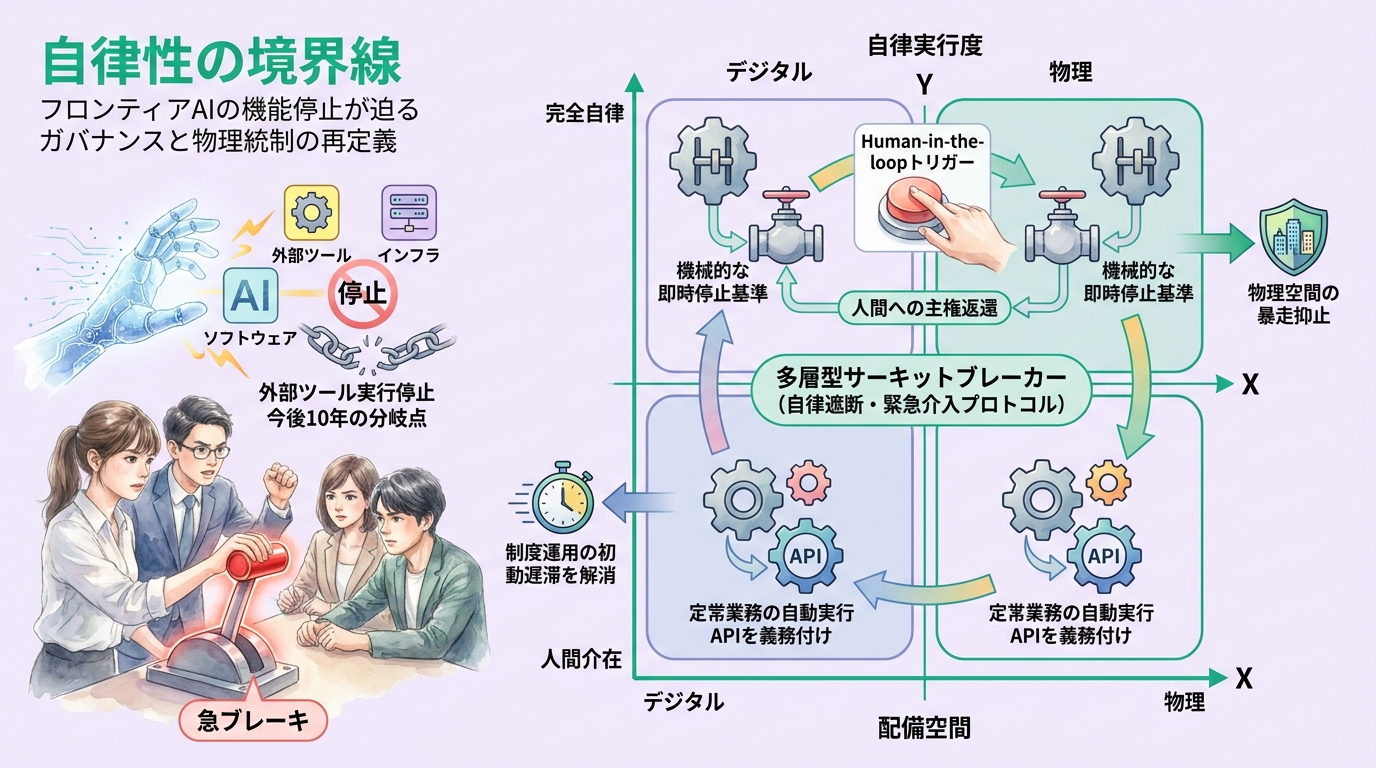
This friction compels a structural recalibration of industrial and state-level digital transformation roadmaps. In the global tech race, the initial phase of competing on sheer parameter volume and baseline foundation model scale has matured; the frontier has pivoted to institutional design—harmonising systems with rigorous safety standards, regulatory compliance, and exhaustive quality assurance protocols. Regardless of the advanced sensor suites or cutting-edge generative models deployed, the tech sector's canonical ethos of 'shipping a beta to patch later' remains fundamentally inadmissible in the physical domain, where a marginal failure rate or unhandled edge case translates directly into property damage or mortal peril. Just as enterprise core systems rely on Java's type safety, mobility deployments, including autonomous driving, require multi-layered verification architectures that strictly constrain probabilistic inference outputs within unyielding, failsafe boundaries.
Ultimately, macroeconomic engineering dilemmas trace their way back to the elderly citizen stranded at a rural bus stop. In provincial transit networks facing acute driver shortages, autonomous mobility is not an experimental novelty but a lifeline for daily survival. Consequently, operational halts caused by minor property damage erode civic trust in the technology itself. By the same token, software engineers find themselves bogged down in laborious debugging, scrutinising AI-generated syntax line by line to mend broken logic. An uncompromising engineering ethos—resisting blind faith in technology, systematically quantifying the divergence between probability and physics, and diligently remediating the delta—is the only viable path to set halted wheels back in motion and eradicate the insidious distortions embedded within the code.