A ¥17 Billion Electronic Eye Vanishes at Sea: The Hidden Toll of Defense Procurement Black Boxes
The crash and signal loss of an ASDF Global Hawk underscore the structural limits of operational autonomy under US-dependent architectures.
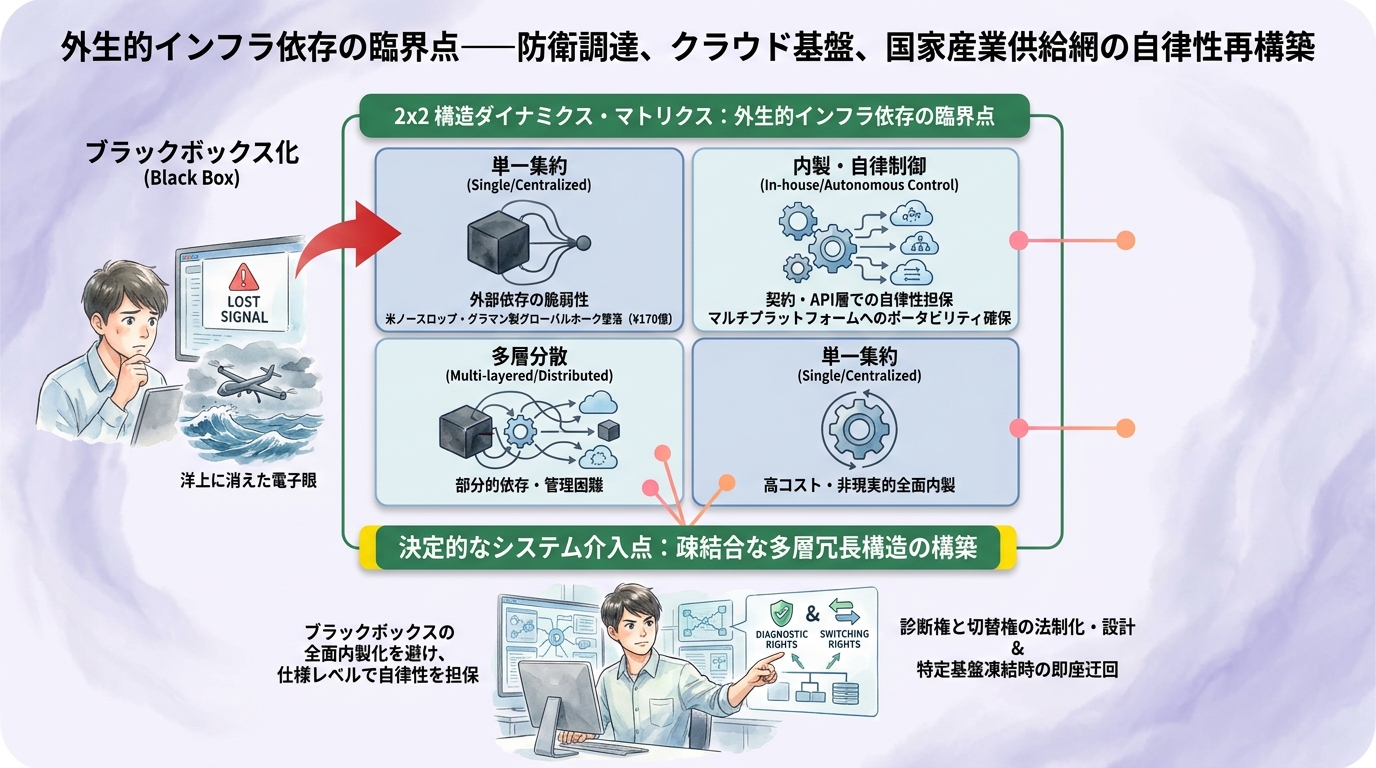
The RQ-4 Global Hawk procured by Tokyo serves as the lynchpin of Japan's airborne intelligence-gathering apparatus, engineered to conduct persistent surveillance for over 24 hours at altitudes approaching 20,000 meters. With a unit cost hovering around ¥17 billion, it rivals front-line destroyers and fifth-generation fighters in fiscal weight. The platform integrates synthetic aperture radar, high-resolution optical and infrared sensors, and secure tactical data relay suites routed through military communications satellites. Yet this sudden maritime loss reveals a stark paradox: beneath its robust composite airframe lies an invisible electronic fabric—radio wave propagation, specialized avionics silicon, and autonomous flight firmware—fraught with single points of failure. When data links fractured amid maritime meteorological conditions and severe electromagnetic exposure, the autonomous fail-safe algorithms designed to navigate the craft back to base failed to engage, a breakdown whose preliminary mechanics domestic engineers cannot even independently inspect.
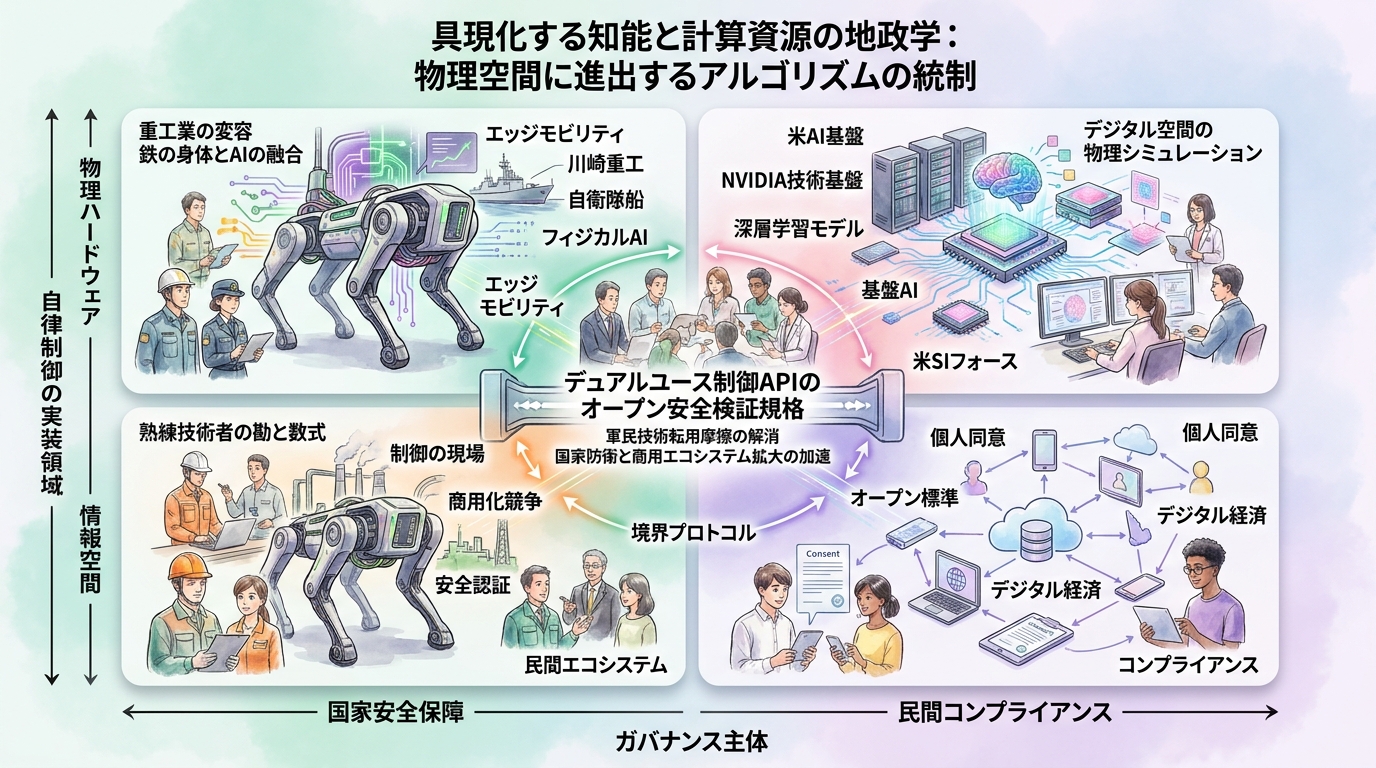
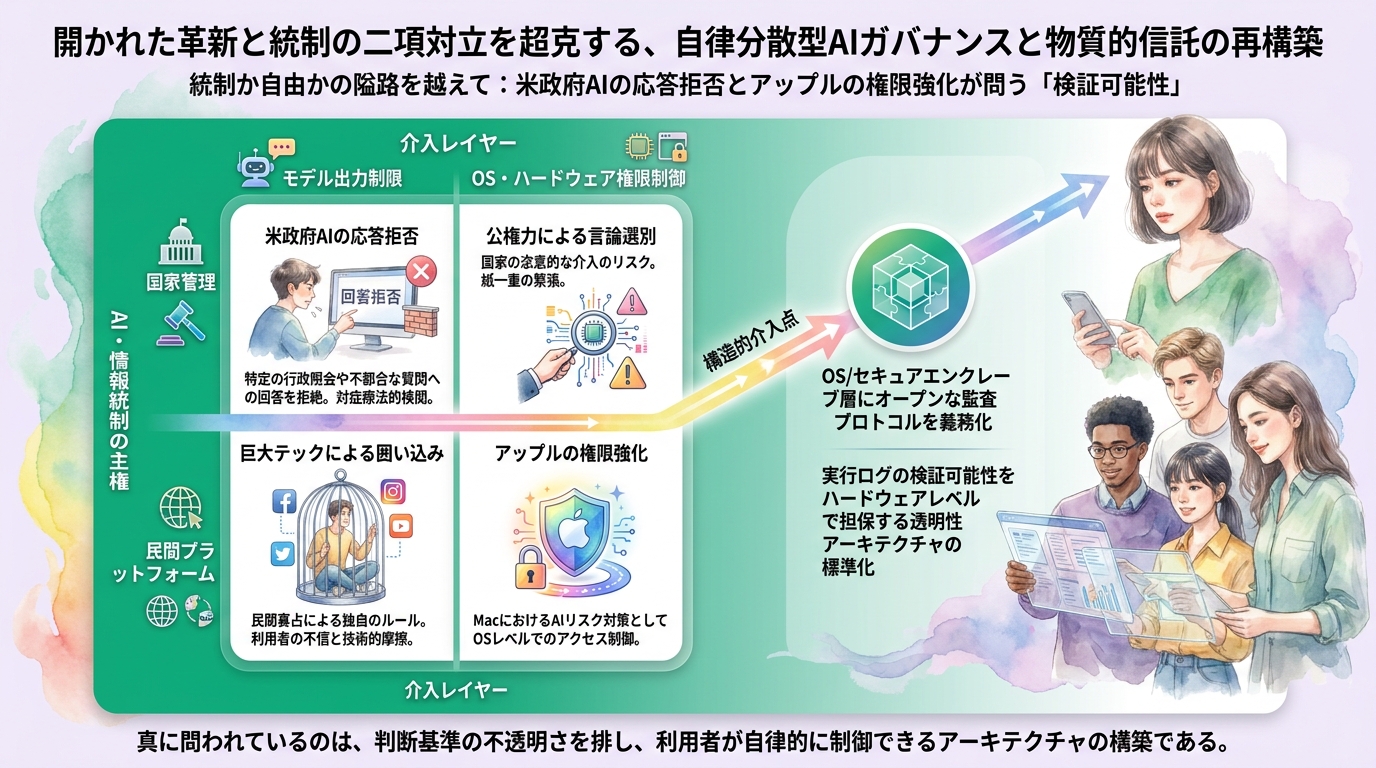
The fundamental bottleneck exposed by this incident lies in the severe constraints on technological sovereignty imposed by the US Foreign Military Sales (FMS) framework. Specifications for the Global Hawk's mission processors, electronic countermeasure protections, and cryptographic modules remain locked under strict US government disclosure controls. Neither the Self-Defense Forces nor domestic defense contractors possess direct access to low-level source code or bare-metal hardware diagnostics. Maintenance and troubleshooting rely almost exclusively on dedicated US-based field technicians and defense contractor data links. As a consequence, Japan lacks the sovereign capacity to determine whether the disconnect stemmed from an on-board hardware failure, a constellation handoff error, or malicious external radio frequency jamming.
The deployment of US-manufactured unmanned platforms, which underpinned the post-Cold War surveillance architecture, has arrived at a critical turning point against the backdrop of US-China strategic competition and global supply chain reconfigurations. The Pentagon has itself recognized that large, expensive, and unstealthy unmanned systems are acutely vulnerable within contested operating environments saturated by modern electronic warfare and long-range surface-to-air missile networks, prompting a strategic pivot toward low-cost, distributed drone swarms. Meanwhile, allied nations such as Japan remain locked into legacy procurement cycles that demand tens of billions of yen annually in maintenance fees. As defense platforms become software-defined, updates and component supply chains remain entirely subject to Washington's discretion, saddle-bagging Tokyo with the geopolitical paradox of underwriting exorbitant maintenance budgets while facing unexpected operational blind spots in its own airspace defense.
To build genuine resilience in defense procurement, Japan must move beyond an uncritical reliance on foreign high-end turnkey systems and autonomously engineer redundancy across its command, control, and communications infrastructure. Unless the state cultivates and sustains a domestic industrial baseline capable of inspecting diagnostic logs and rapidly identifying failure vectors across electronic components, RF protocols, and data processing architectures, procured assets will remain precarious black boxes. The ¥17 billion electronic eye lost to the Pacific offers an uncompromising lesson in technological security: no matter the capital invested, critical infrastructure whose core logic is controlled by another state can be neutralized in an instant by a single severed link.