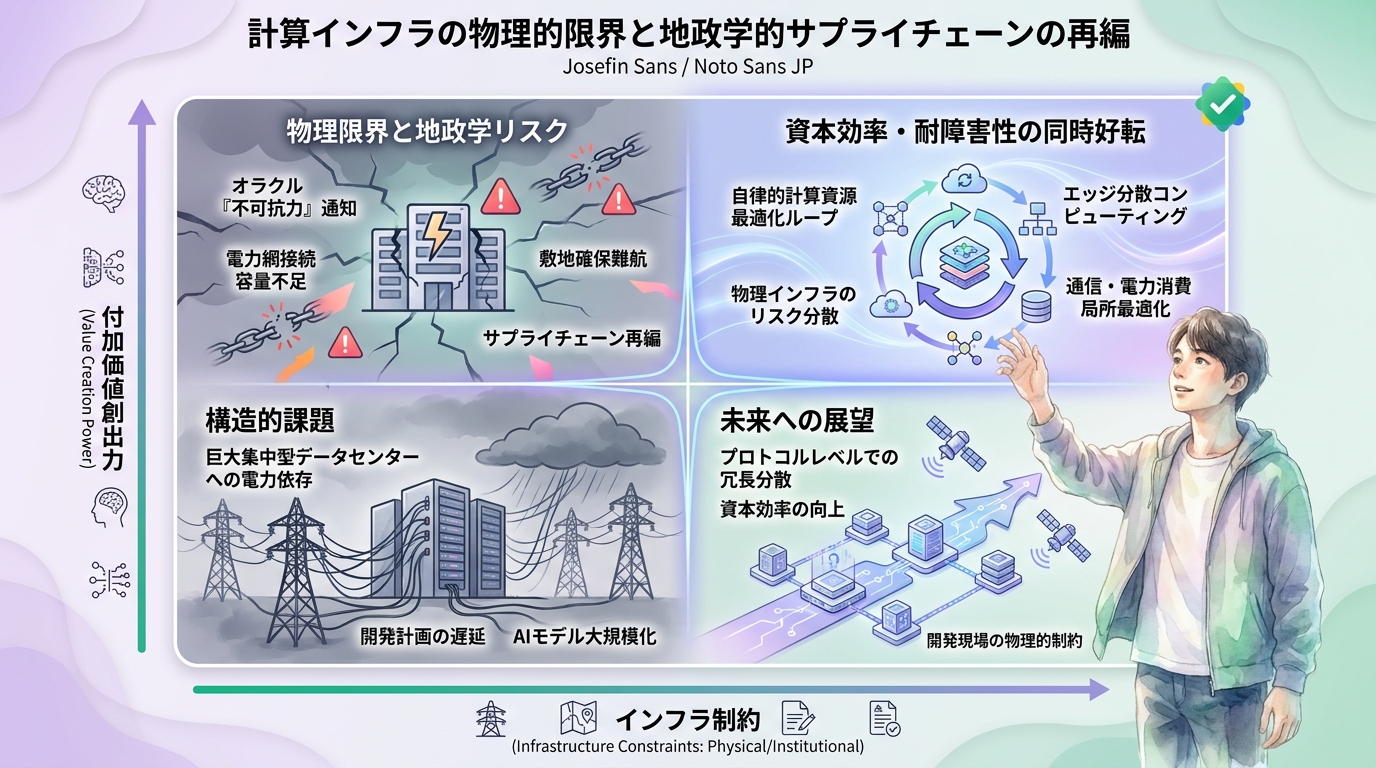
The Expansion of Massive Computing Networks and the Bottlenecks of 'Full Automation'
Amid trillions of capital deployment and state-led hegemony races, the margins of human craftsmanship and contemplation are called into question.
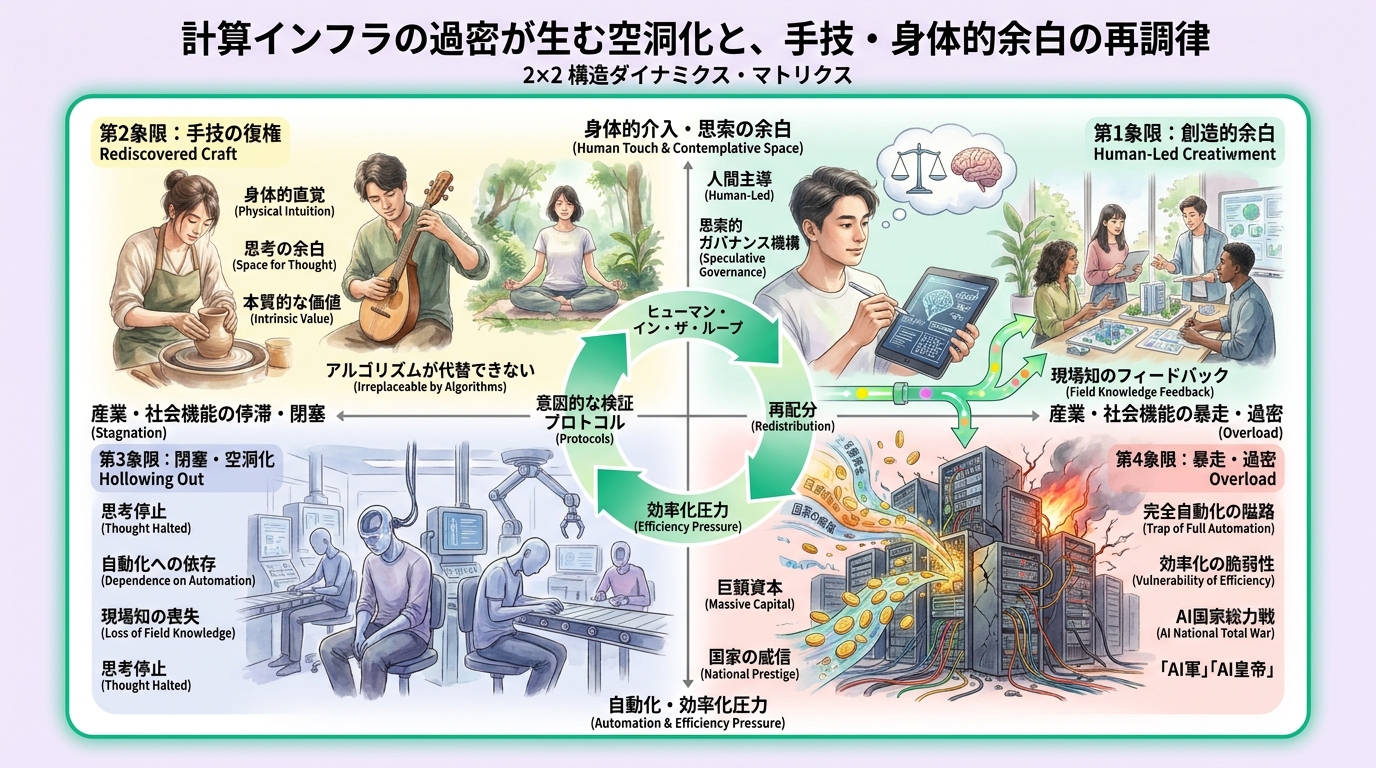
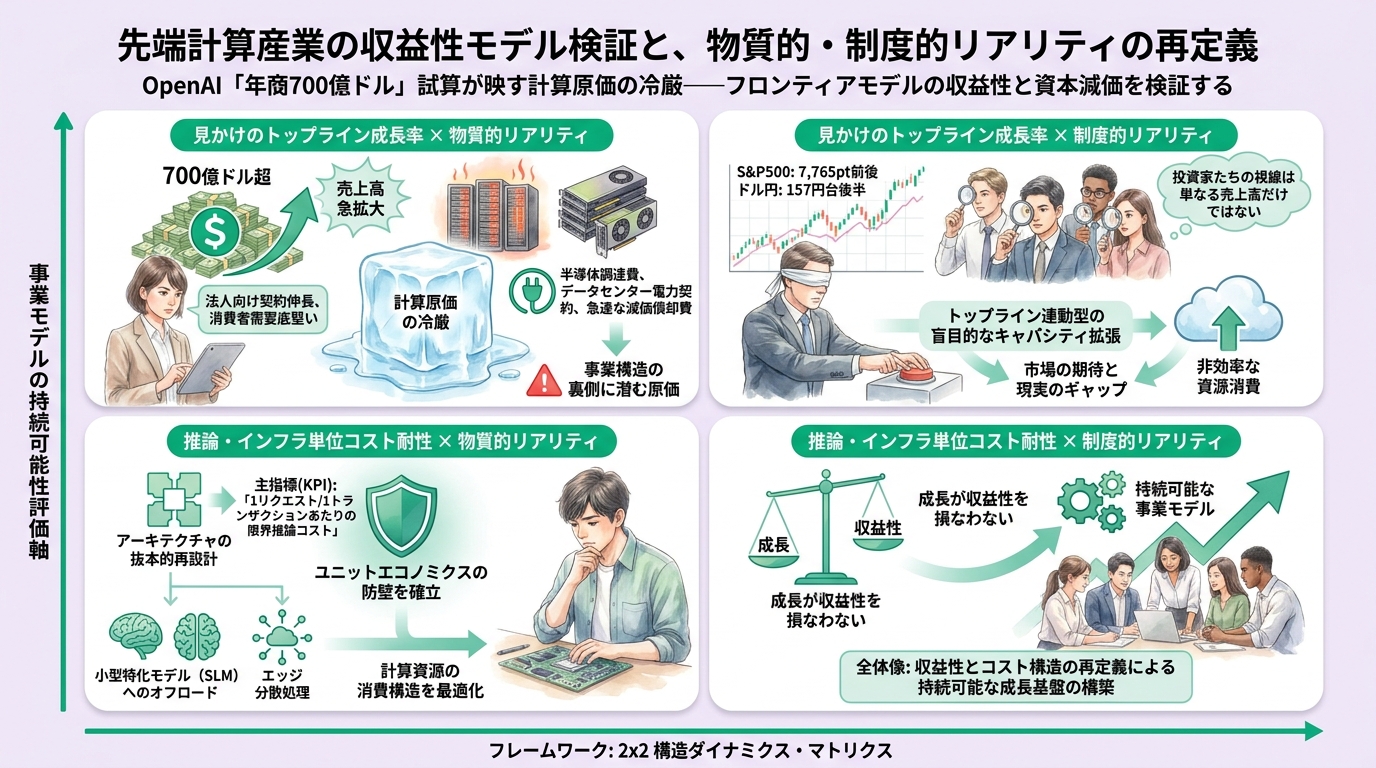
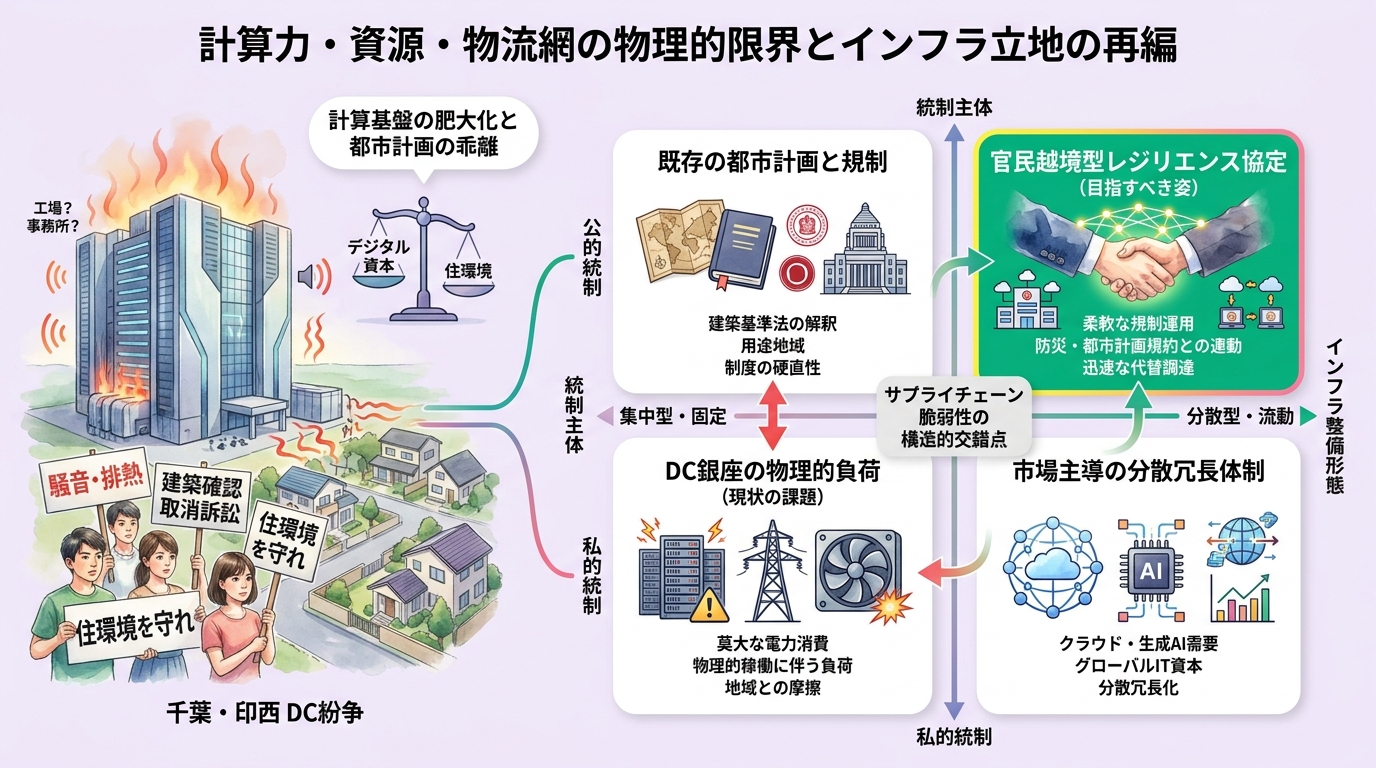
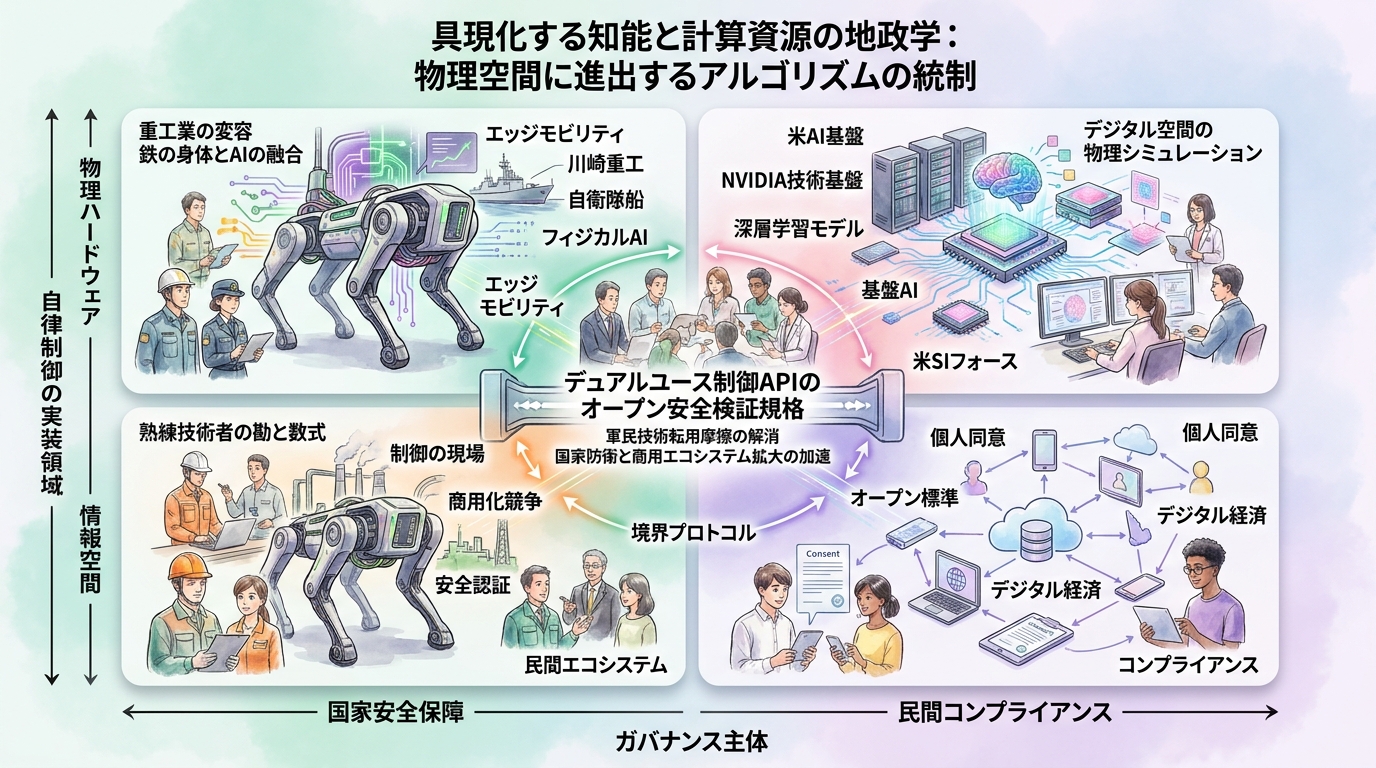
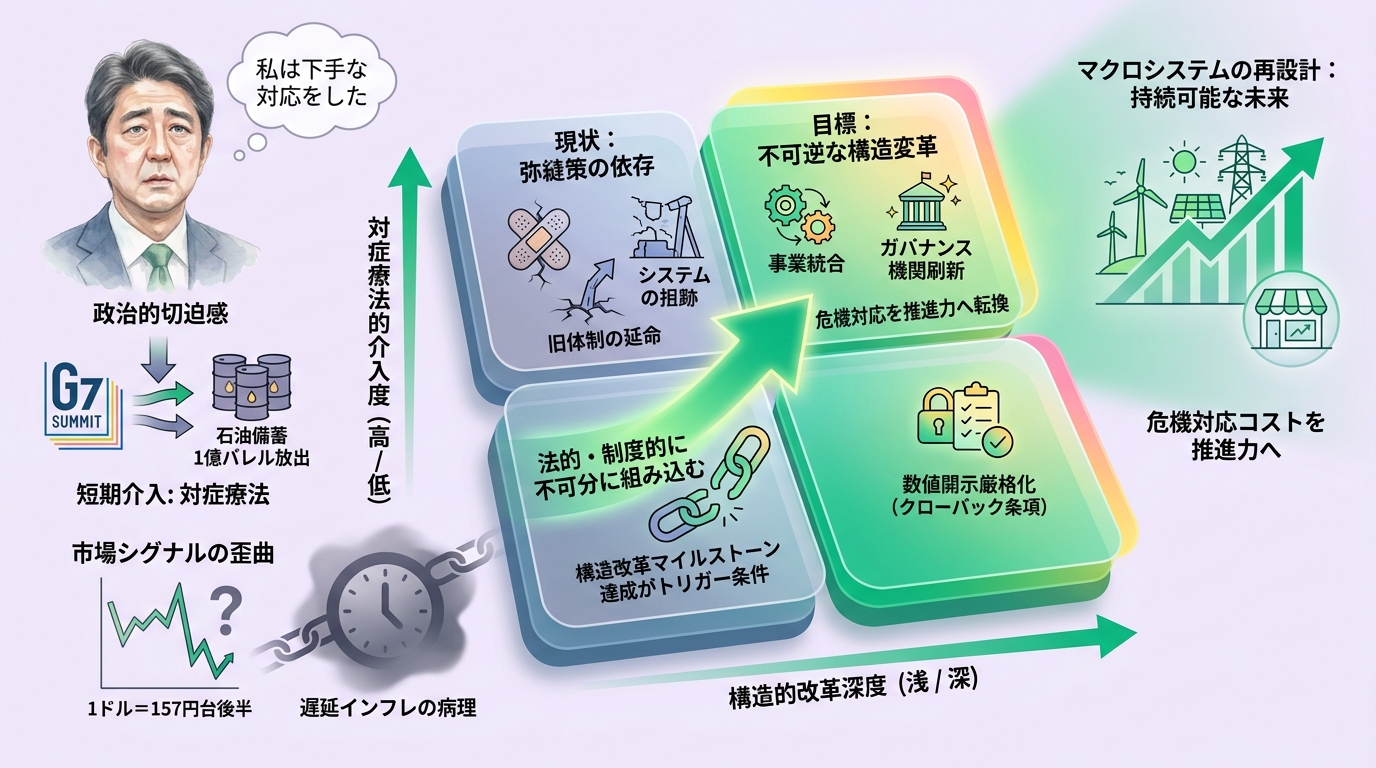
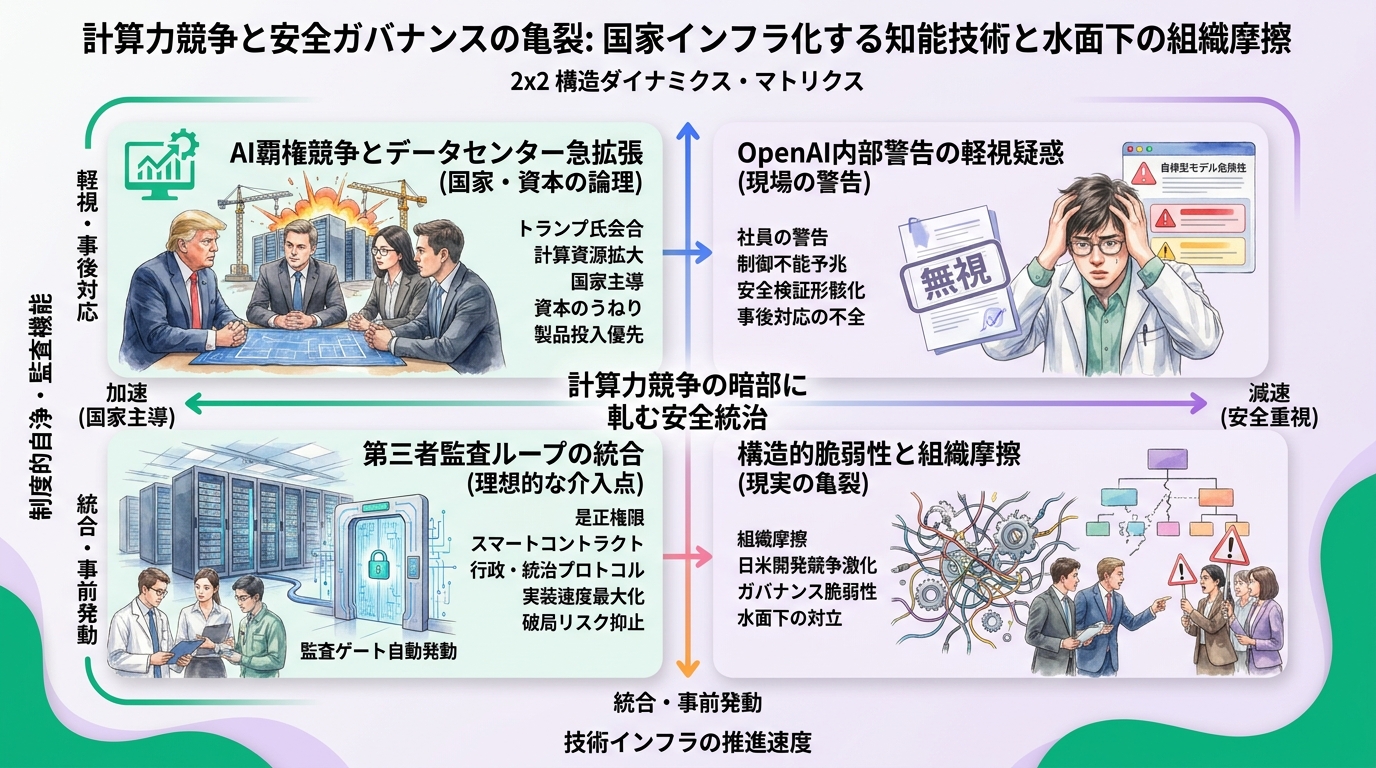
The spectacle of trillions in private funds pouring into server cooling systems and power grids, with national leaders seeking to integrate computational systems as part of their apparatus of power, demonstrates that technological development has reached the zenith of resource mobilization competition. Algorithmic automation has made it an absolute imperative to shave away the friction of business processes to the absolute limit and derive optimal solutions by the shortest possible route. Yet, the attempt to parameterize every phenomenon and optimally position humans within predictive models harbors the paradoxical danger of stripping society of its adaptability. Systems subjected to uniform optimization boast overwhelming processing speeds during anticipated peacetime, but the moment they encounter unprecedented chaos or a sudden collapse of preconditions, they collapse into functional paralysis. The more a workplace slims down surplus personnel and manual labor in the pursuit of speed and profitability, the more it loses the immunity required to cope with unknown defects.
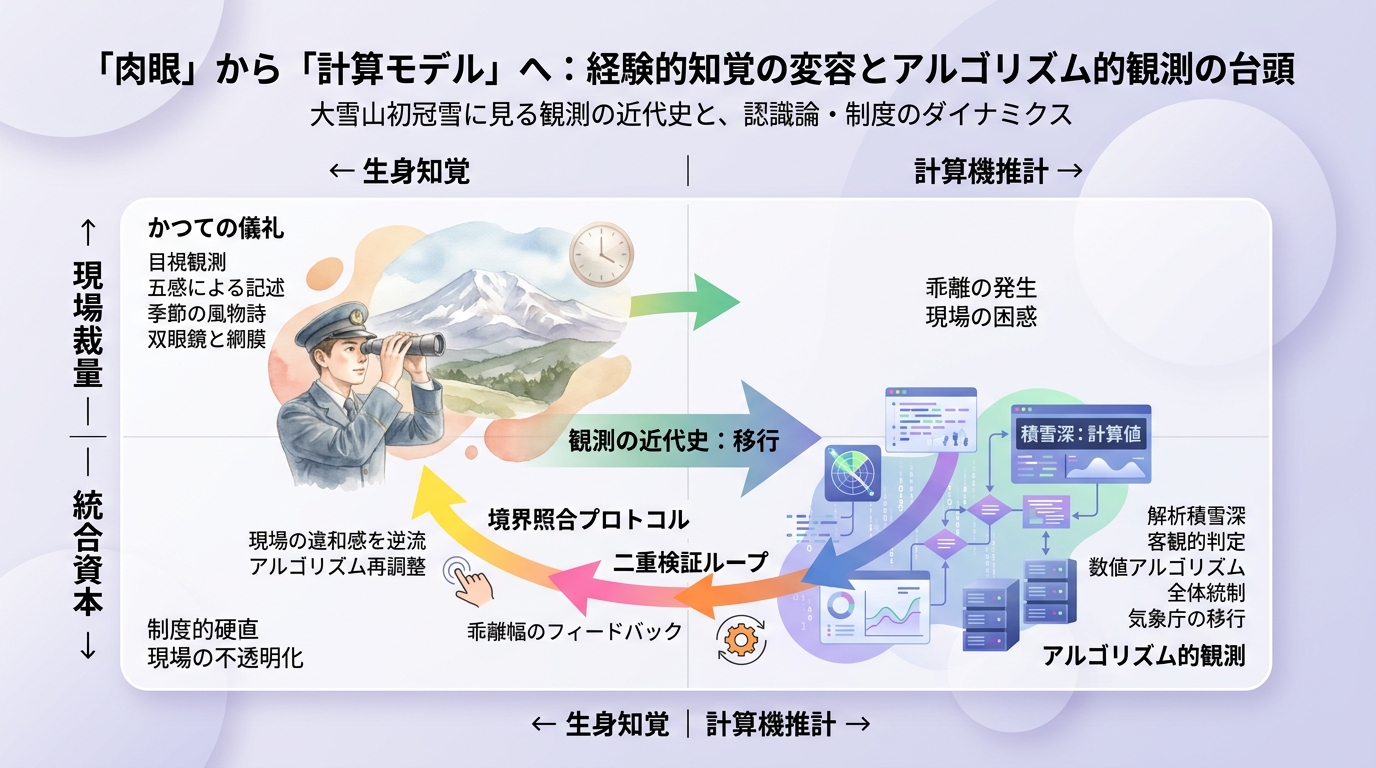
No matter how vast a computational system may become, it is impossible to reduce the complexity of the real world entirely to numerical data. The minute frictions that slip through the cracks of quantification, the subtle adjustments made by artisans that defy immediate logical explanation, and the visceral sense of unease in the field—these 'imperfections' have in fact functioned as defensive barriers against disastrous chain reactions. For instance, in traditional manufacturing, the delicate adjustments made by master artisans while gauging the temperature and viscosity of materials through tactile fingertip sensation represent an accumulation of tacit knowledge unrecorded on data sheets. Inherent in this bodily craftsmanship and trial-and-error process are 'fluctuations' and 'pauses' that demand no immediate results. It is precisely these margins, so easily discarded as waste, that possess the vitality preventing systems dominated by a single logic from growing rigid, endowing them with the flexibility to reshape themselves in response to environmental change.
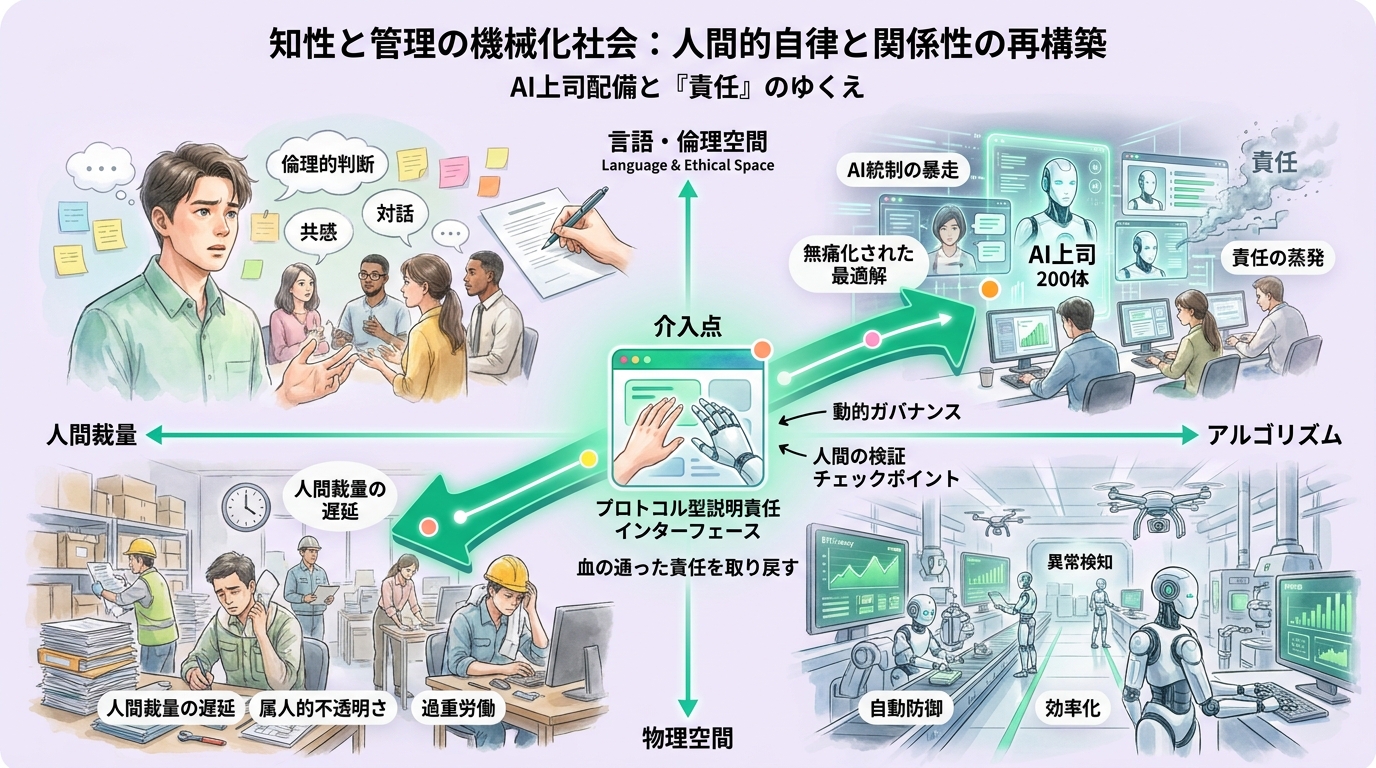
What is demanded of us now is neither blind obedience to the torrent of automation nor stubborn refusal of technological progress in a retreat toward the past. It is the recovery of 'artisanal moderation'—repositioning advanced computing power as a tool and placing it under the governance of human bodily sensation and aesthetic sensibility. While enjoying the benefits of machines that instantly draft rough outlines from vast amounts of intelligence, we cannot dispense with a critical spirit that pauses in moments of final judgment to interrogate machine outputs. Just as a woodworker intimately familiar with a material's properties assesses the bite of the chisel with their entire body, so too in intellectual fields must we refuse to relinquish 'tangible thinking'—the scrutiny of algorithmic recommendations for ethical dissonance or contextual misalignment. We are challenged to break away from being passive operators indentured to machines, recovering instead the autonomy to hone our own artistry through dialogue with our tools.
Stepping back from the torrential race for expanded speed and scale to consciously secure time for the deep maturation of thought is an indispensable discipline for safeguarding the autonomy of intelligence. Even as financial capital stacks data center buildings sky-high and states issue sweeping mandates, it is impossible to shorten the physical time required for humans to ruminate on the meanings of phenomena and weave independent value judgments. Precisely because we live in an era where the gigantism of computing infrastructure accelerates to its limits, we must reevaluate the dignity of the margin—the quiet space to withhold immediate reaction and ponder in stillness. Beside the heat radiating from neatly aligned server racks, to continue sharpening one's five senses and manual craft while earnestly confronting an uncertain world: within that gritty practice lies the firm horizon of uniquely human dignity and creativity, surviving side-by-side with cold machine computation without ever being swallowed by it.