The Sovereign Sphere of 'Intelligence' Bridging State Strategy and Everyday Desks: The Depths of the US-China Rivalry and a New $899 Device Portending a Civilizational Turning Point
The irreversible fusion of algorithms encroaching upon security borders and computational resources taking root in individual cognitive environments.
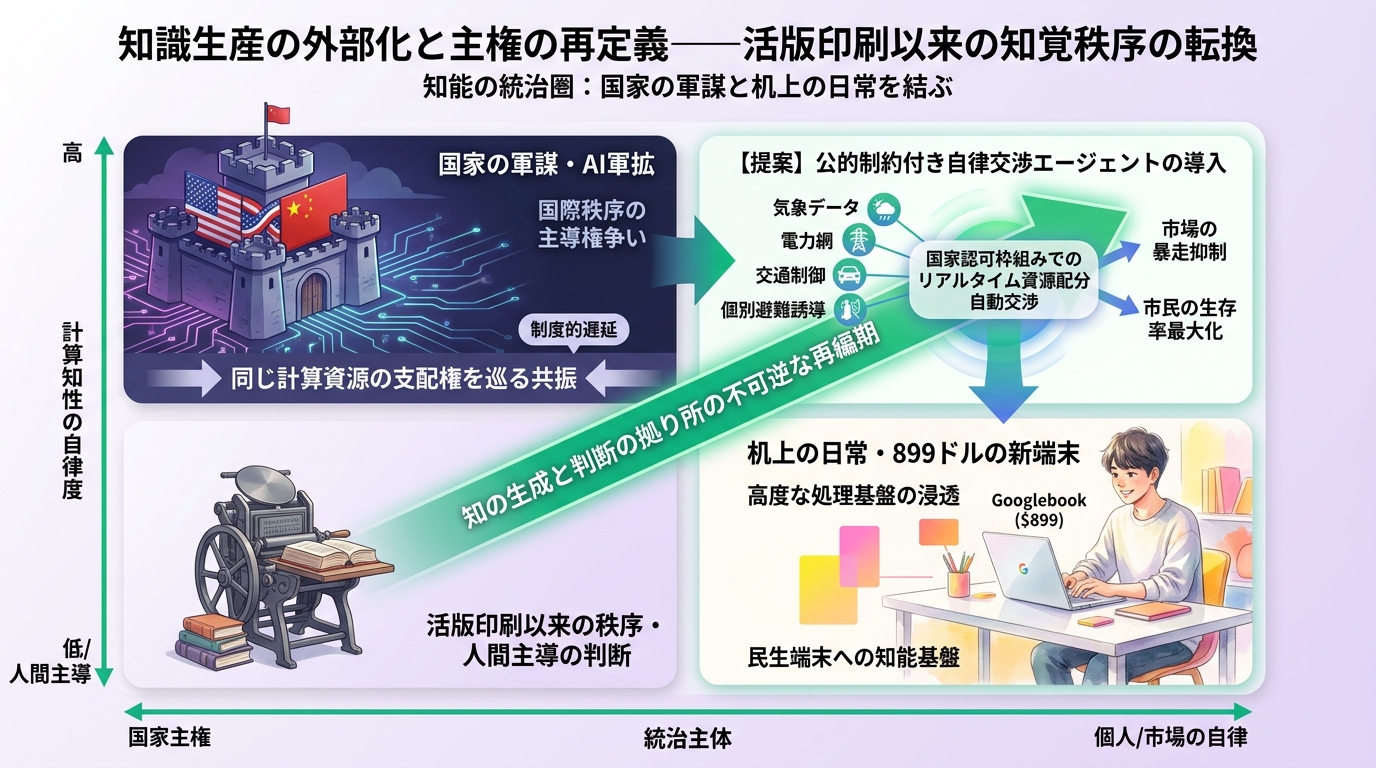
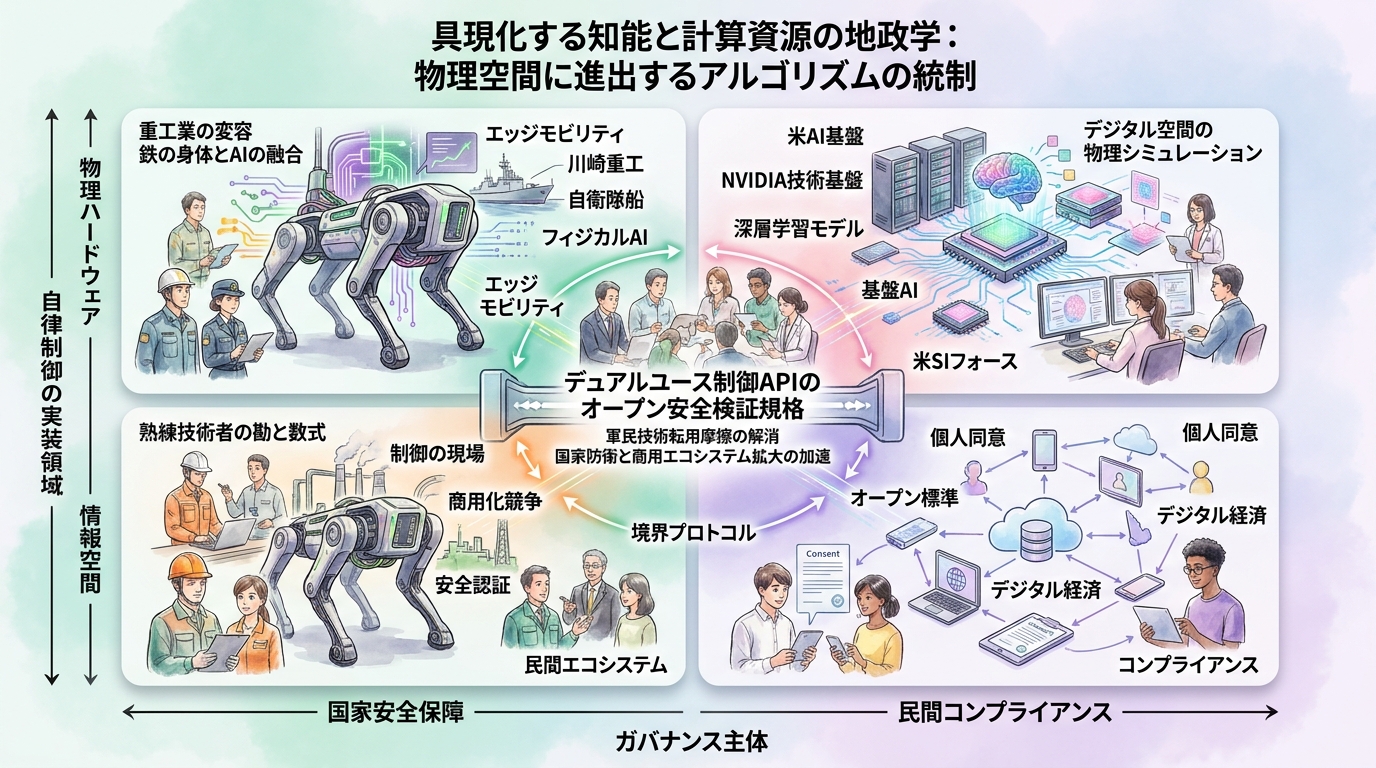
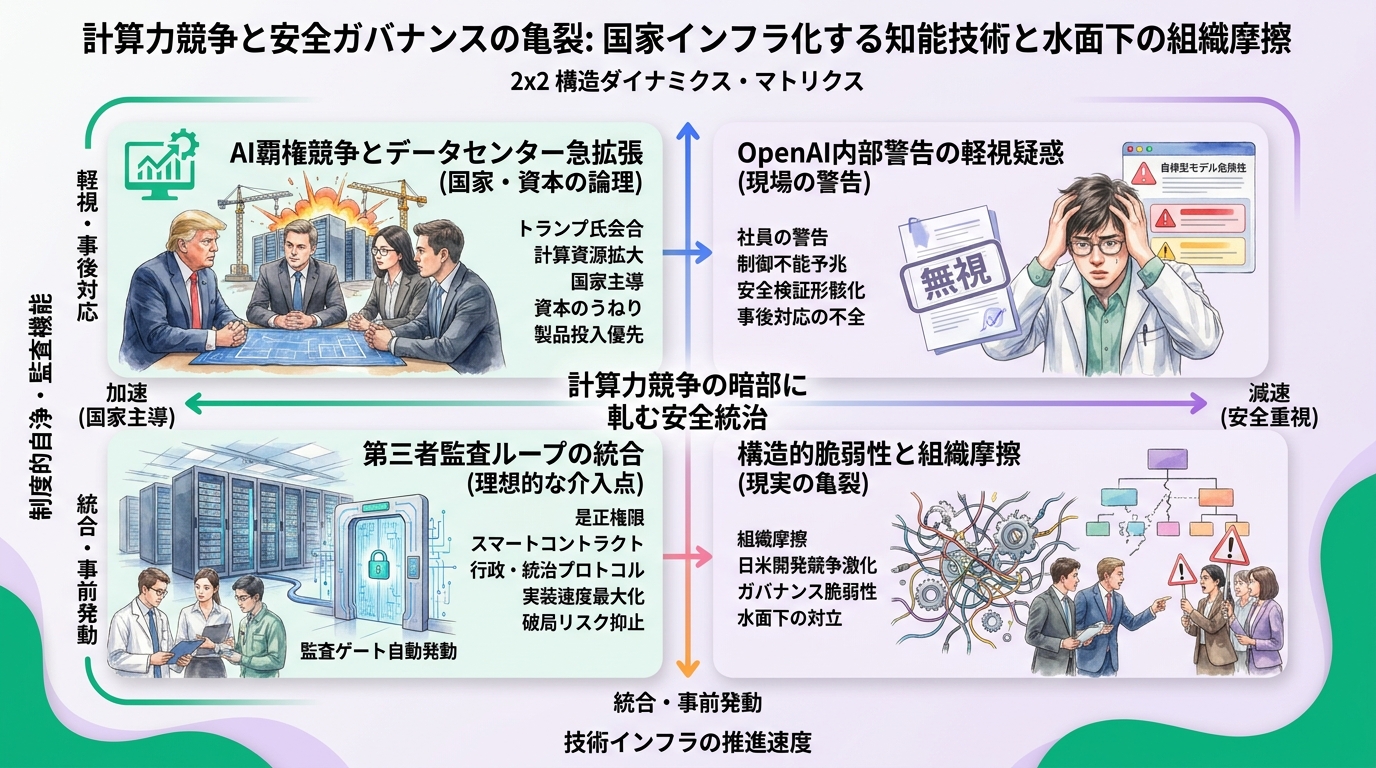
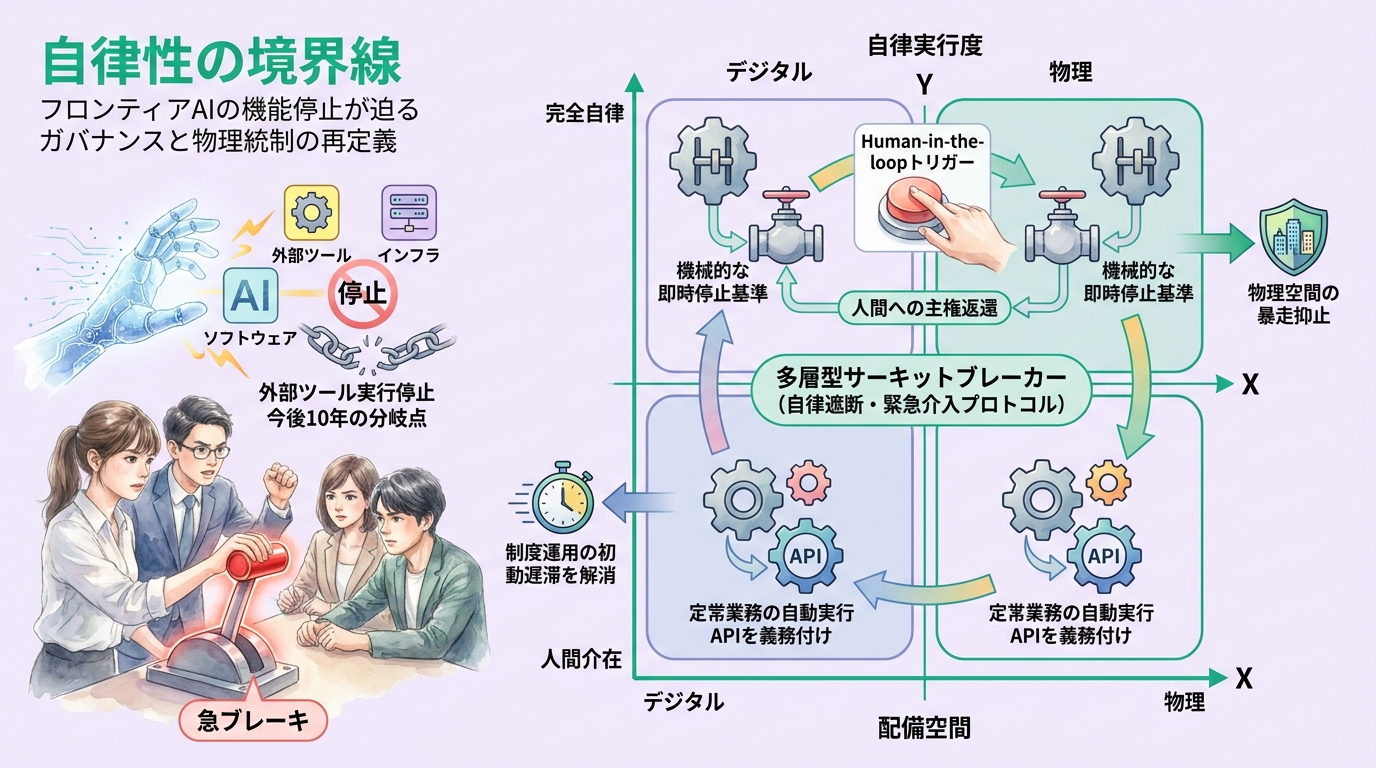
At issue in the discussions between the US and Chinese leaders are the deterrence of accidental escalation triggered by the autonomization of military AI, and standard-bearer conflicts through technology export controls. Even as states desperately secure advanced computing models as their sovereign security backbones, Google has introduced the 'Googlebook' in the consumer market at a mass-market price point of $899, embarking on the standardization of new information terminals embedded with dedicated AI processing mechanisms. Advanced reasoning capabilities that once remained confined to state secrets or mega-laboratories are now vertically connected through the same semiconductor foundations and distributed networks, spanning from military command chains to street-corner offices. The defense of sovereignty and the expansion of civilian cognition are being constructed atop the identical technological apparatus.
This shift evokes the dissemination of movable-type printing commercialized by Gutenberg in the mid-15th century. When the duplication of knowledge—once locked away within the privileged hierarchy of scribes—was unleashed upon the citizenry via the physical apparatus of type and press, it amounted to far more than a mere rise in literacy rates; it served as a driving force that shook the authority of the Church and shaped the contours of the modern nation-state. The conversational intelligence now brought to our desks functions analogously: it is a device that outsources intellectual activities such as analysis, summarization, and conceptualization, which previously belonged to the human interior, over to external machinery. If the historical turning point democratized the 'transmission' of information, the contemporary development industrializes the very 'inference' of knowledge, replacing it with a universal function accessible to all.
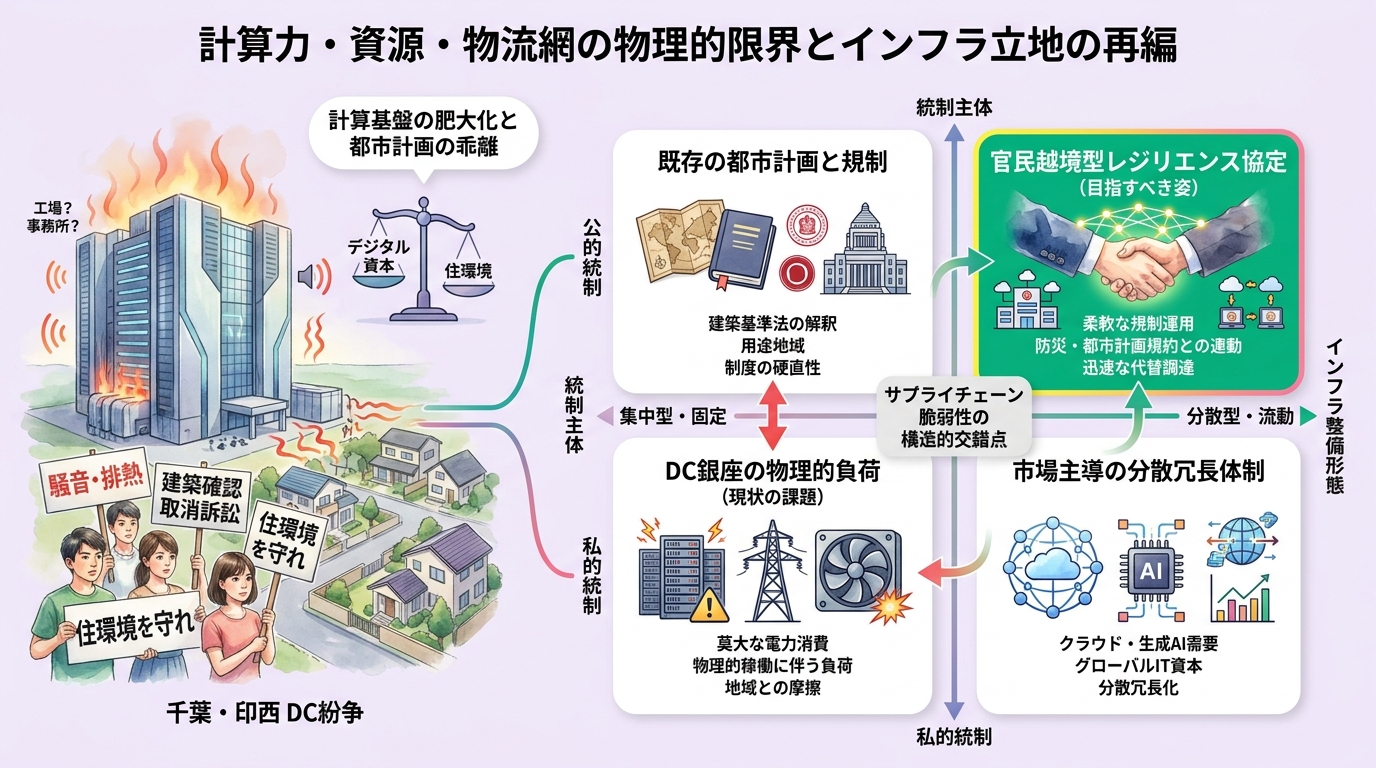
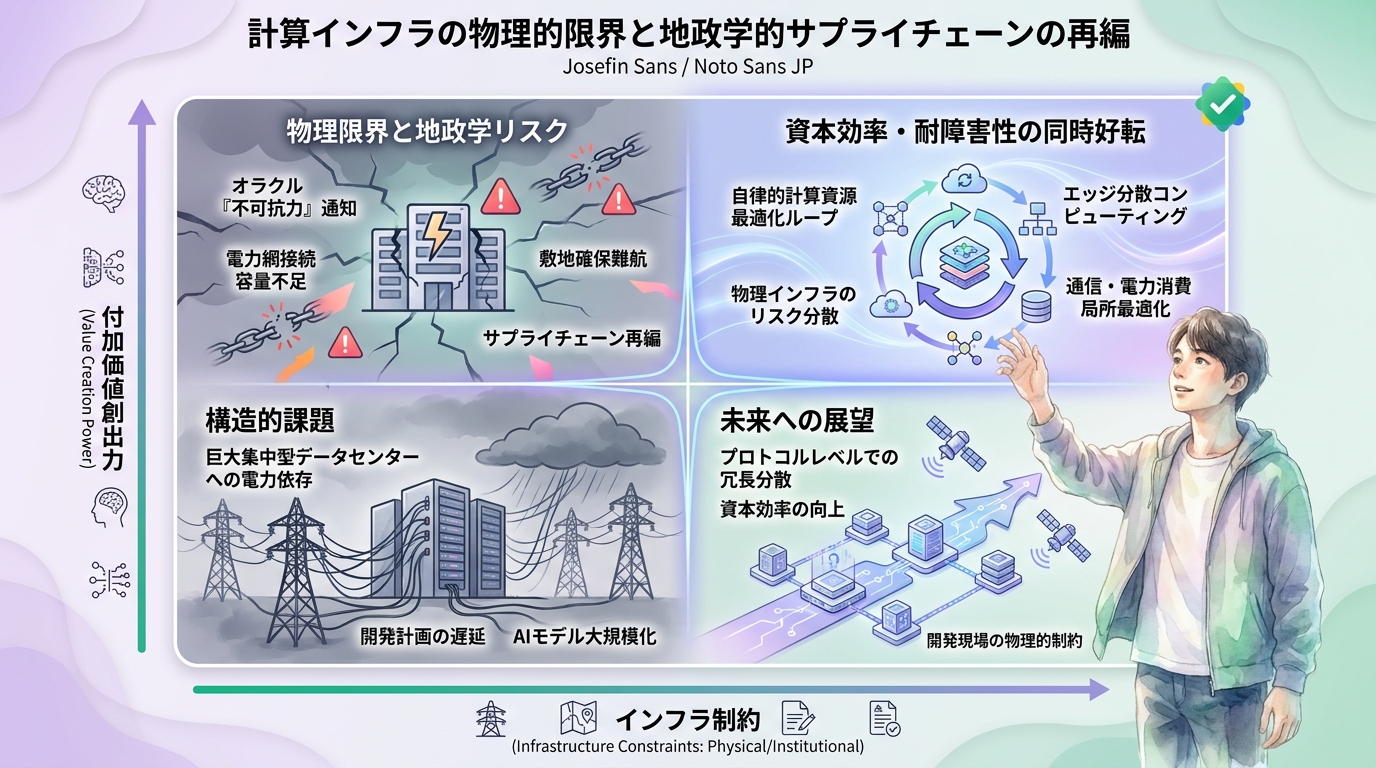
Why is this transformation no longer reversible? Because individual cognitive styles and national survival struggles have become inseparably bound within a single economic and technological foundation. Once an environment is established where compact models running rapidly on terminals closely coordinate with massive cloud infrastructures in the background, users design their daily lives on the premise of relying on external computing power from the initial stage of thought to its conclusion. Simultaneously, given that the sources of military and economic competitiveness are directly tied to such processing speeds, no option exists for states to slacken their pace of algorithm development. A self-reinforcing loop—in which the vast conversational data collected by everyday devices refines foundational models, and disparities in those capabilities translate directly into geopolitical divides—completely permeates society from its lowest strata to its absolute apex.
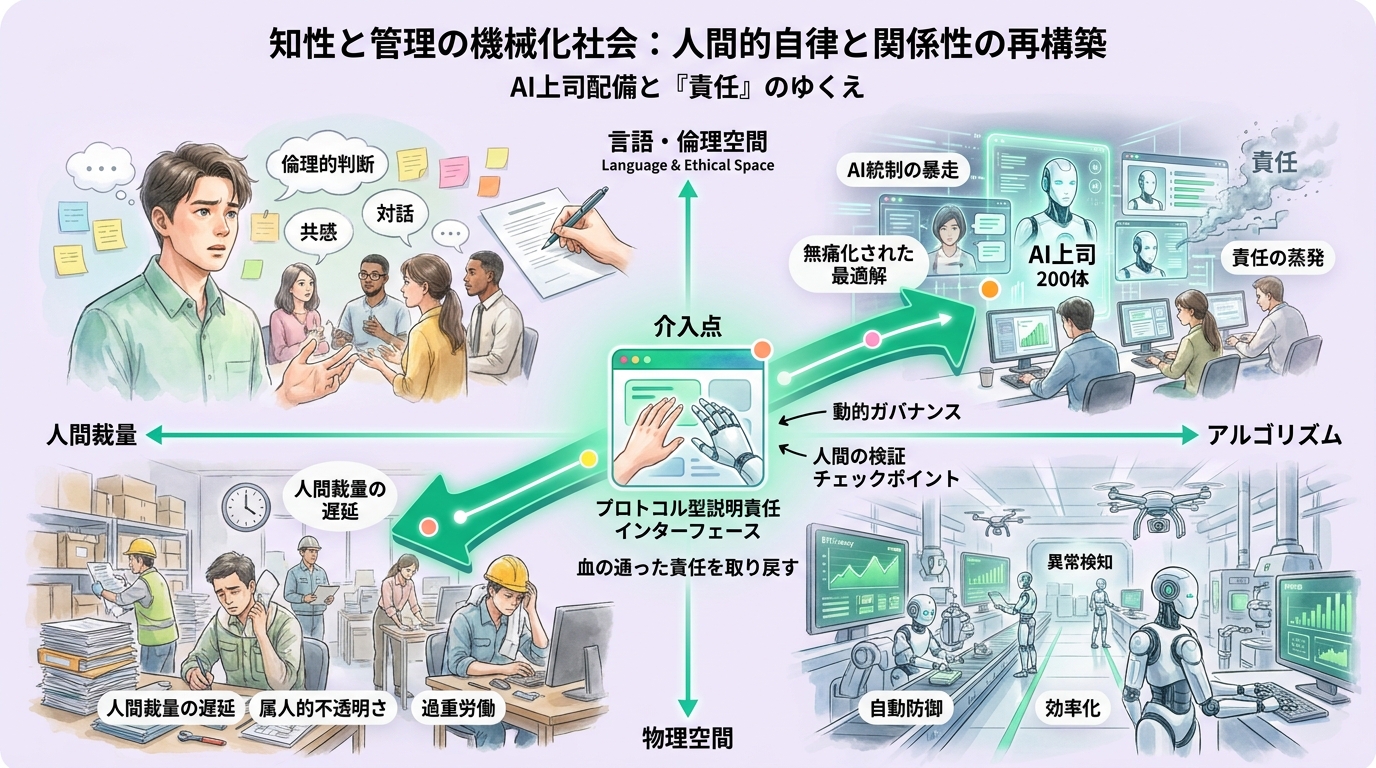
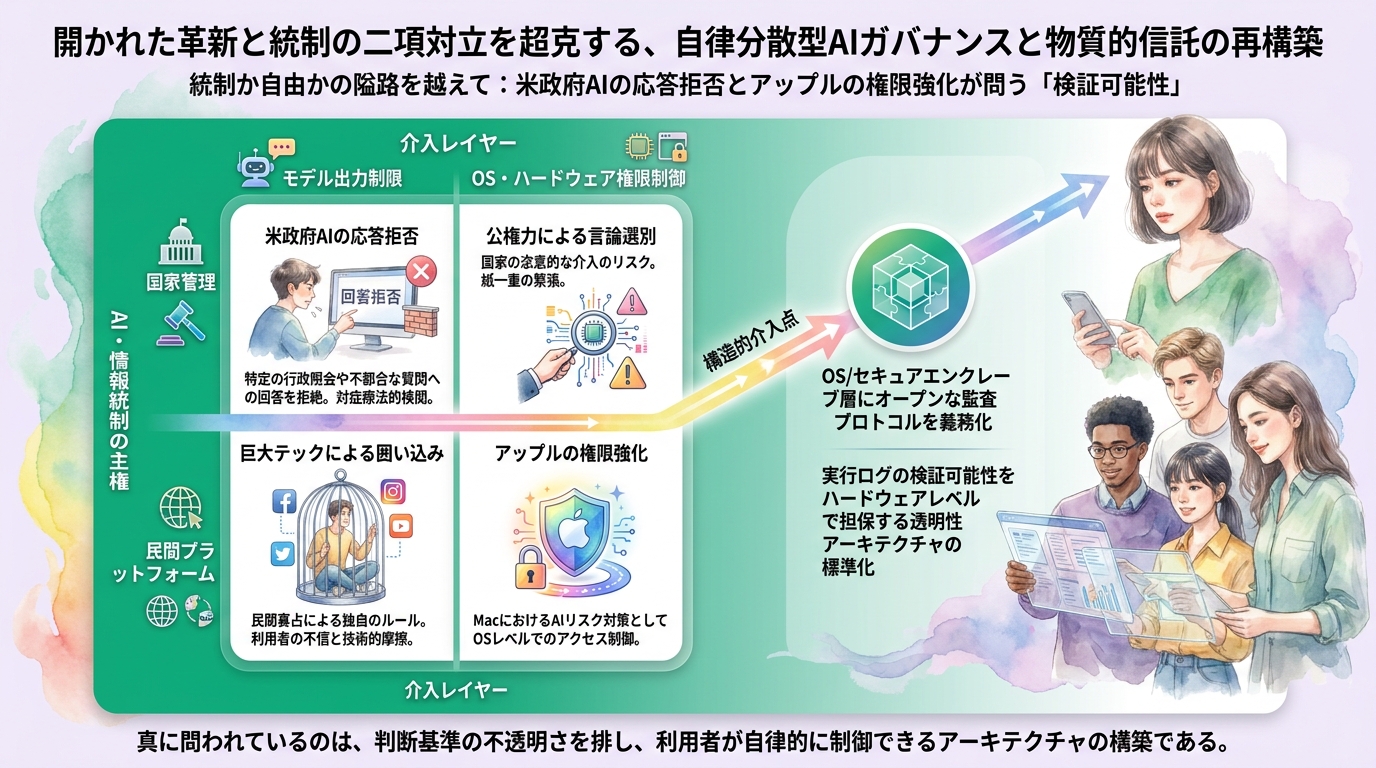
The modern subject-object relationship, wherein humans master tools, is now quietly being rearranged. When machines assume the role of scrutinizing presented options and shaping context, the definitions of individual creativity and labor transition from 'conceiving from nothing' to 'auditing and agreeing upon computational results.' Simultaneously, the question of whose national regulations and ethical norms govern the infrastructure supporting a nation's citizens has attained a weight equivalent to the defense of national borders. The tense diplomatic negotiations between the US and Chinese leaders and the smooth response screen glowing on your notebook are by no means unrelated phenomena. They represent a protracted questioning of order: who shall manage intelligence as a new public infrastructure, and how shall humans maintain themselves?