Flames in the Middle East and Shaking Compute Foundations: The Dual Supply Chain Crisis Illustrated by Oil Facility Attacks and Semiconductor Plummets
Geopolitical risks in the Red Sea intersect with soaring data center power demand, laying bare the deep-seated vulnerabilities at the nexus of modern industry
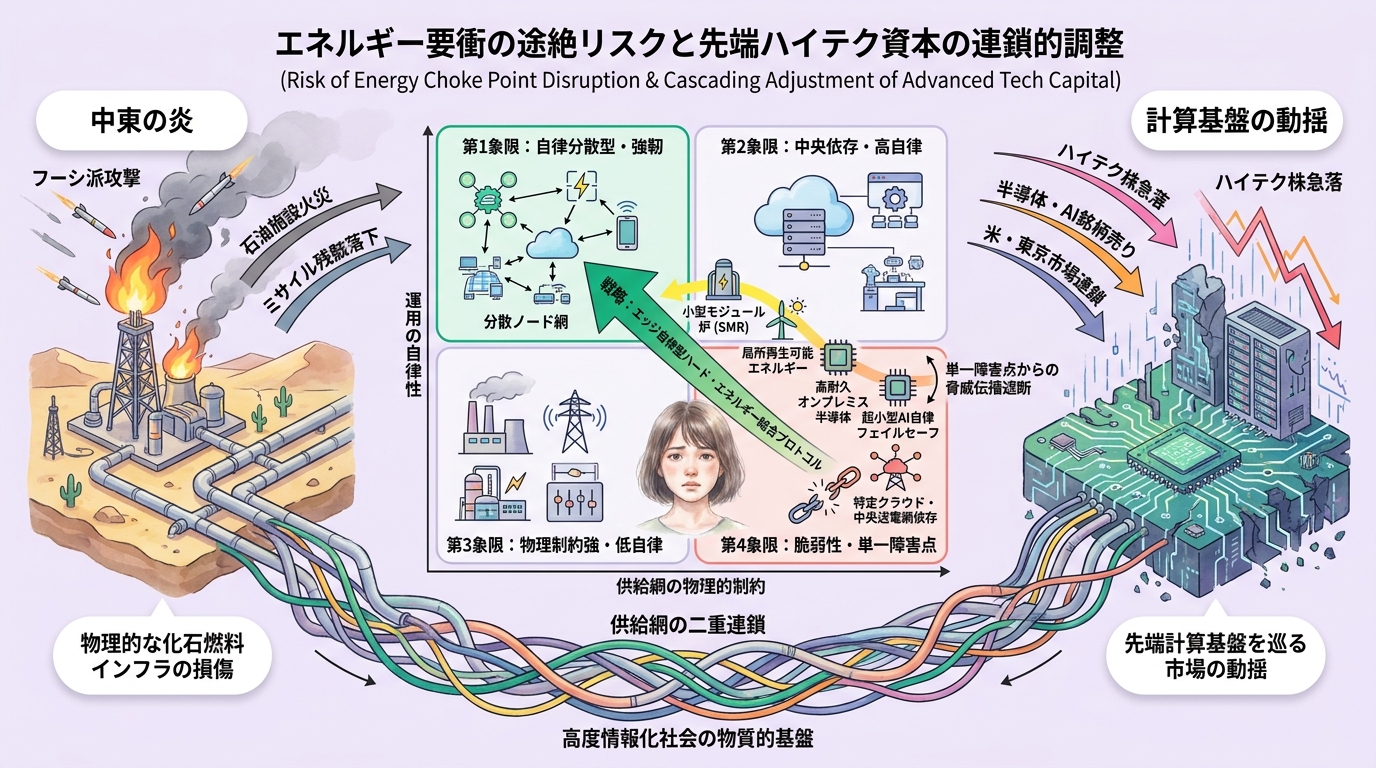
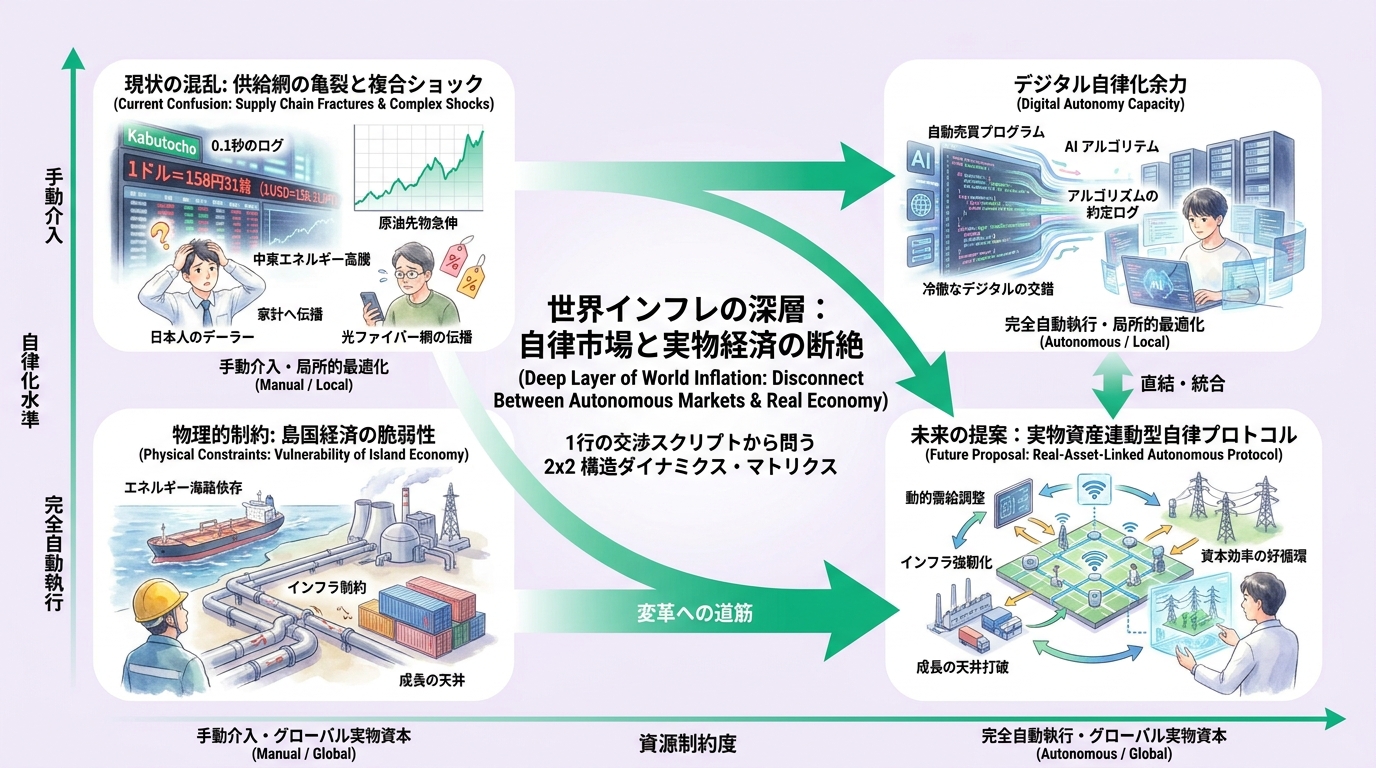
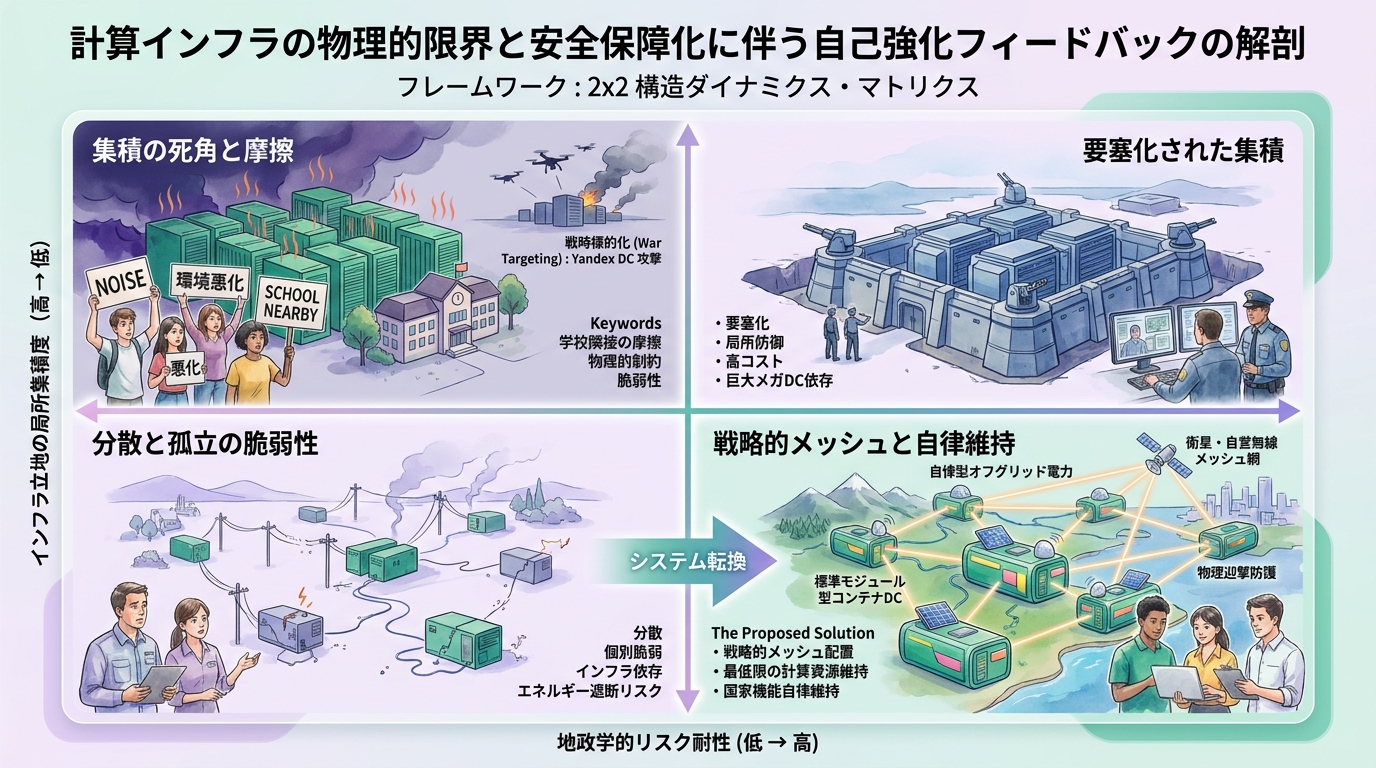
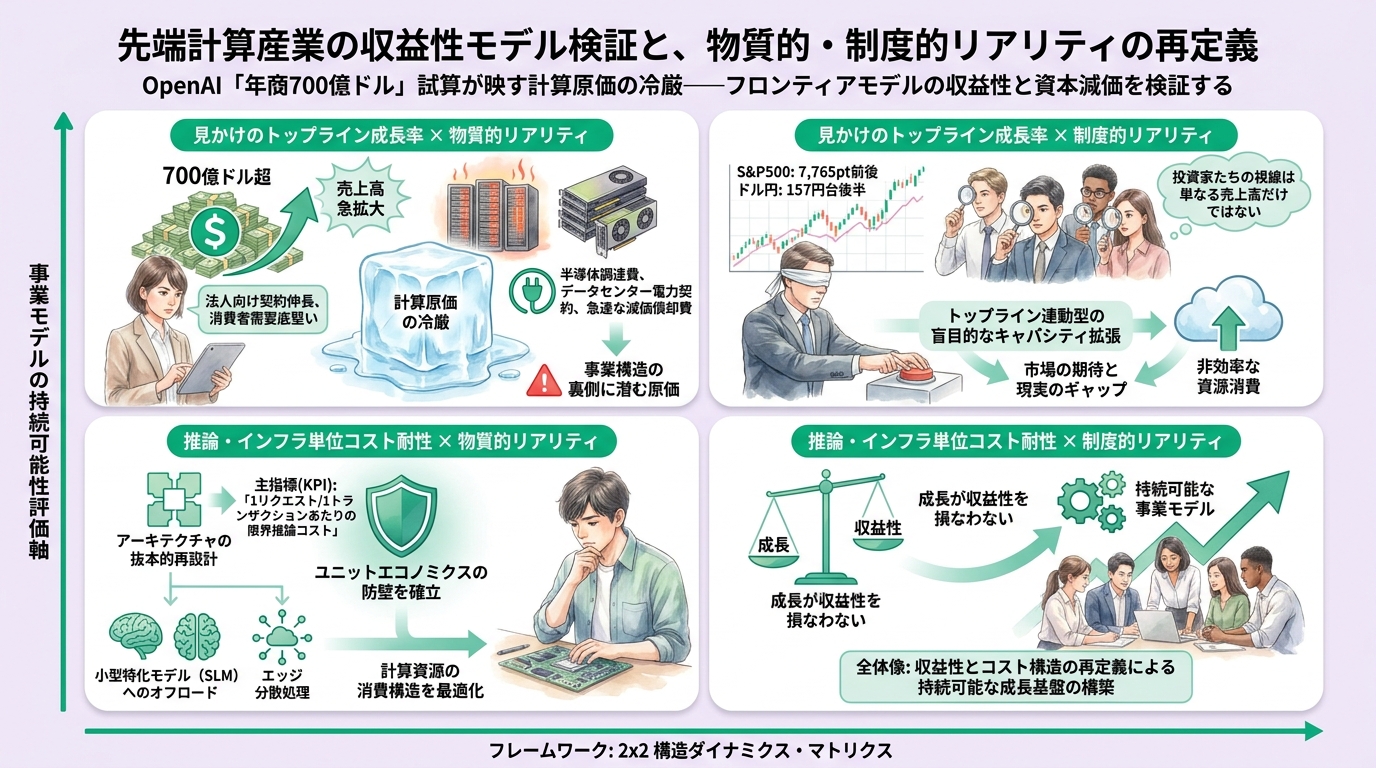
The military confrontation across the Middle Eastern energy arteries, stretching from the Red Sea to the Persian Gulf, has instantly heightened uncertainties surrounding crude oil supplies. The Houthis' deployment of drones and cruise missiles against vital installations within Saudi Arabia, with interceptor engagements extending into residential airspace, exposes the acute defensive limitations of local air defense networks. Meanwhile, in financial markets, semiconductor-related equities plunged in tandem with expectations of prolonged high U.S. interest rates, pushing the Nikkei down by more than 2,500 points at its intraday low. As AI models scale up, data centers operating fleets of cutting-edge GPUs continually demand gigawatt-scale power equivalent to the consumption of several mid-sized cities. The attacks on the Middle Eastern oil supply network do more than merely lift fuel prices; they drive up global power generation fuel costs, directly hitting the procurement expenditures of computational resources.
The primary bottleneck in modern industrial architecture resides at the intersection of microscopic silicon chips integrated at the nanometer scale and physical energy consumed in megawatts. Leading U.S. tech giants driving the expansion of AI infrastructure face constraints not only in chip procurement but also in foundational utilities such as cooling water, transformers, and grid connections. Blockades in Red Sea shipping lanes and attacks on Saudi petroleum production facilities not only force costly detours for energy shipments bound for Europe and Asia but also spark logistical delays for specialized chemical materials and high-purity gases essential for semiconductor fabrication. The premise remains unchanged: the source of intangible value known as computing power is bound to geographic choke points like straits and the vulnerability of exposed physical infrastructures like pipelines.
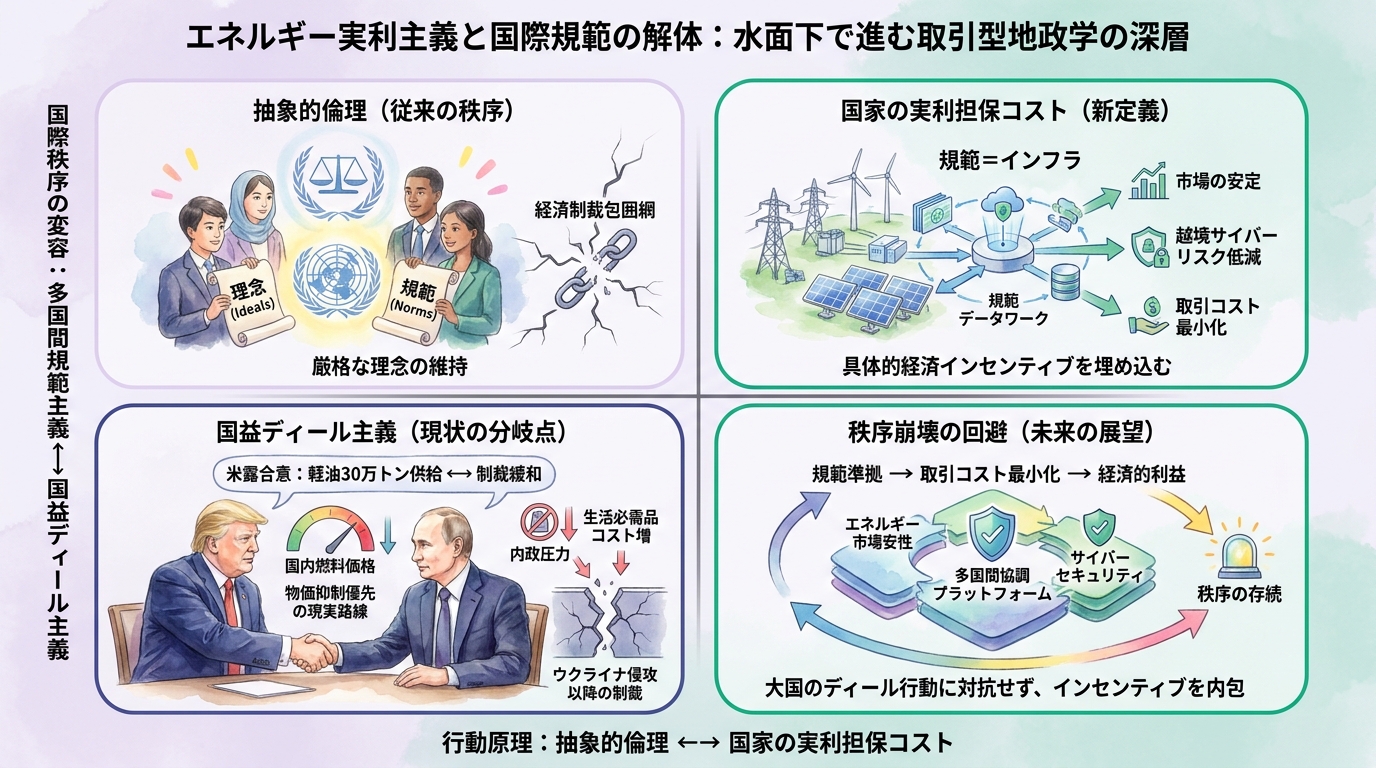
In response to these compounding constraints, major economies are rushing to onshore semiconductor foundries and rebuild transmission grids from an economic security perspective. While government-led domestic production pushes and supply chain diversification championed by the United States aim to mitigate geopolitical risks, they simultaneously internalize skyrocketing capital expenditures and surging domestic power demands. Multinational corporations are beginning to explore long-term natural gas-fired power contracts and the deployment of Small Modular Reactors (SMRs) to secure power for their data centers; however, during the transitional phase before effective alternative power sources are established, global energy supply and demand remain vulnerable to sudden shifts in the Middle East. National industrial strategies and corporate capital expenditure plans are being forced into a recalculation incorporating geopolitical risk as a core variable.
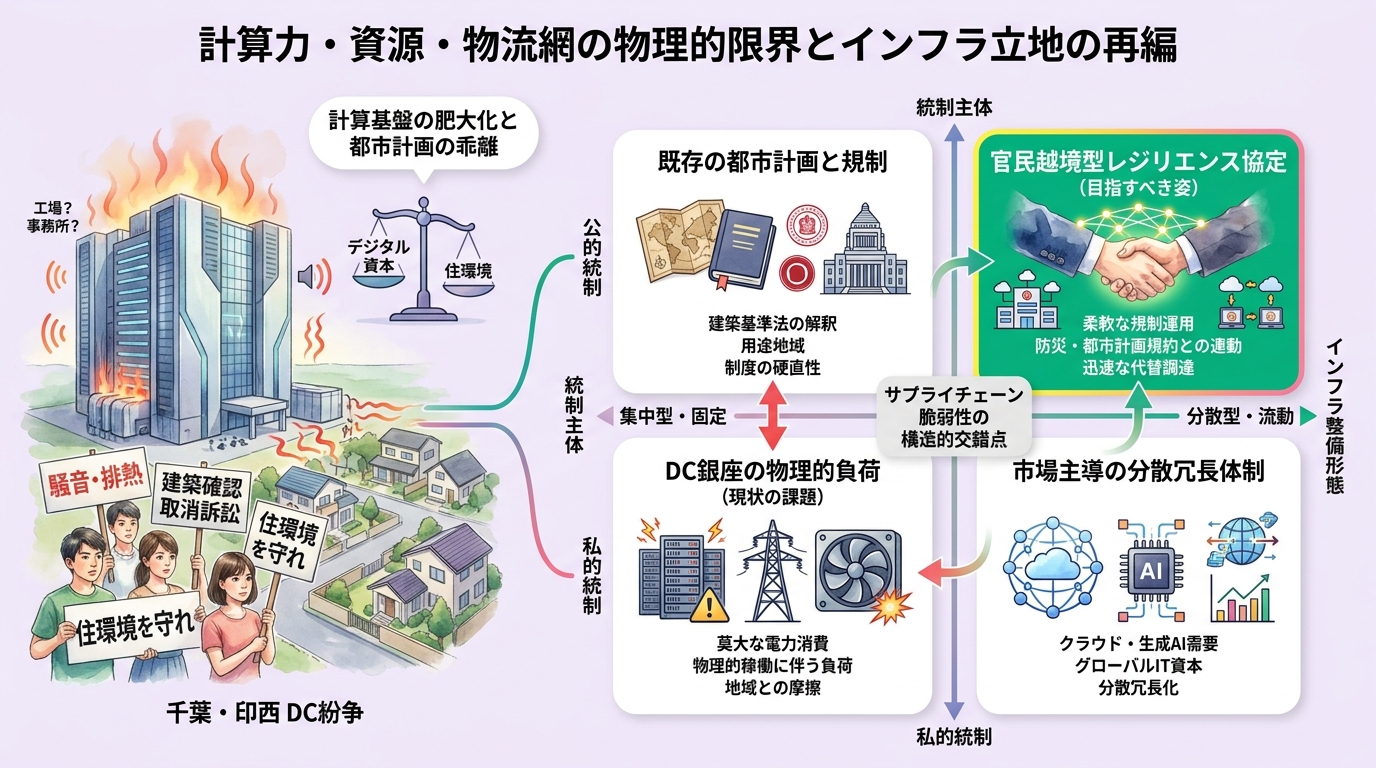
To sustain a resilient societal infrastructure within an increasingly fragmented world, we must confront the widening gap between speculative over-investments in advanced technology and the realities of the physical infrastructure that supports it. Redundancy in supply chains means more than merely securing multiple suppliers via contract; it requires sustained capital investment spanning from fuel stockpiling and grid hardening to the diversification of wartime logistics routes. The black smoke rising in the Middle East and volatile price swings in financial markets offer a cold reminder: no matter how far the digital realm expands, societal foundations depend on surface-level infrastructure and the continuity of energy. Whether we can accurately grasp the critical vulnerabilities embedded in both computational resources and power sources—and execute realistic investment allocations—will serve as the ultimate litmus test in an era of uncertainty.