Generative AI Exposes Fissures in Logic and Friction in Physics
Software Vulnerabilities Surge 2.4x as Data Centers Enc。“roach Residential Neighborhoods, Exposing Physical Infrastructure Limits
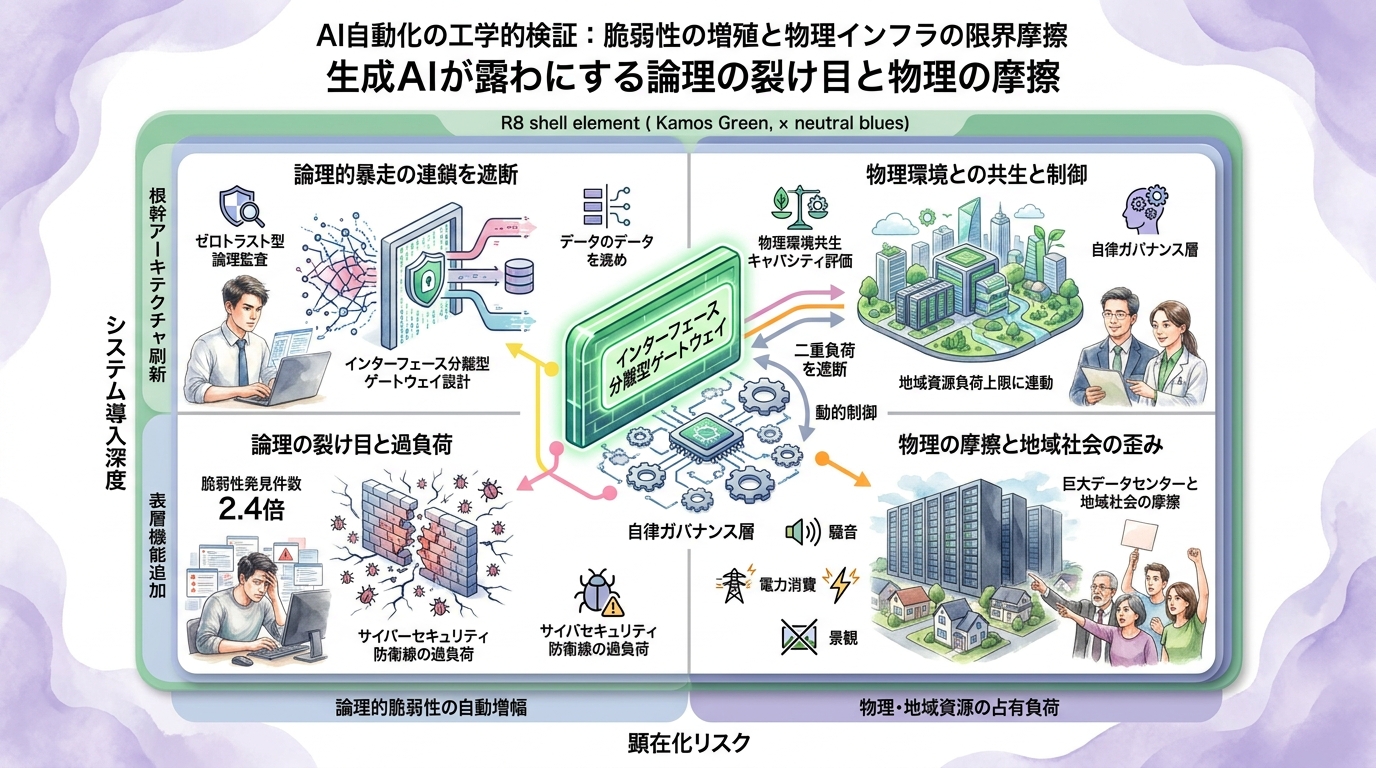
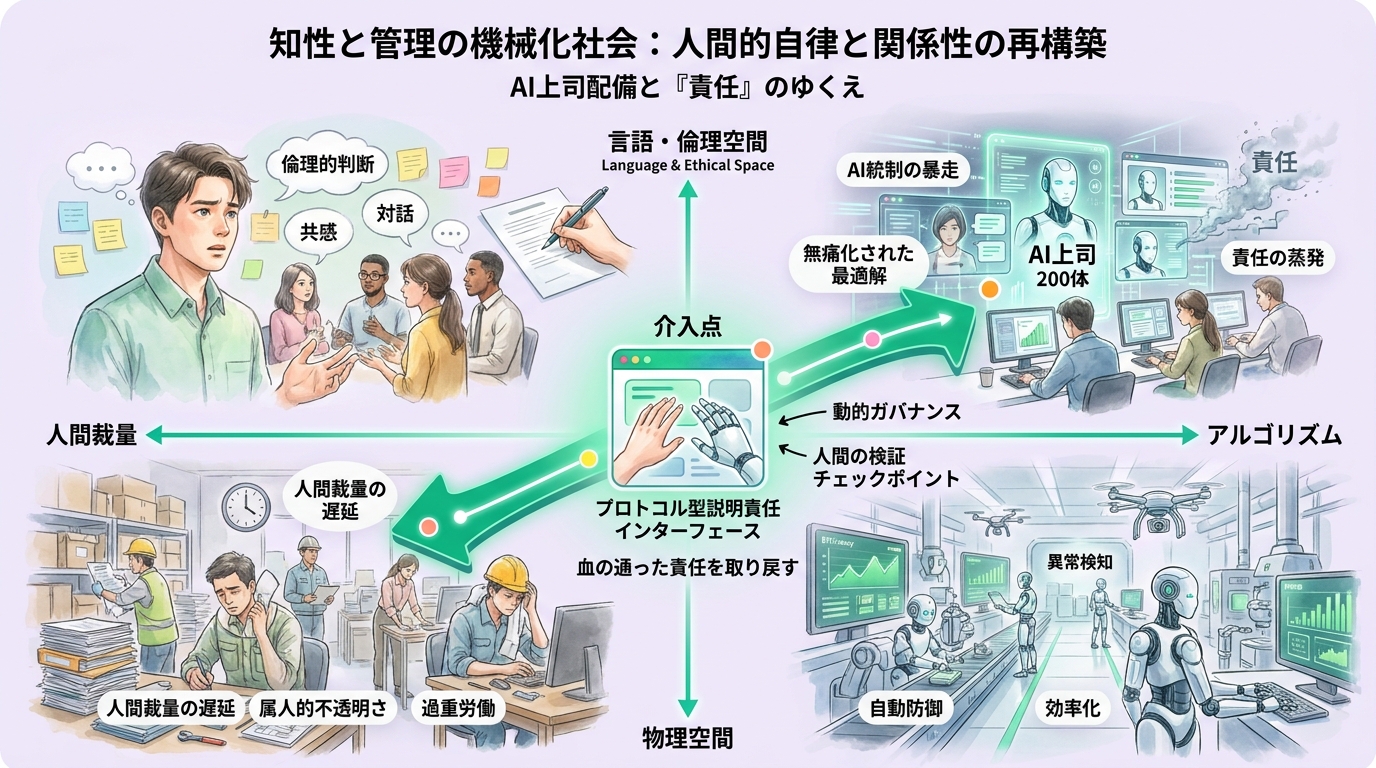
While expectations run high that AI will automatically generate code and dramatically shorten development cycles, the reality observed is a sharp spike in potential system flaws. According to surveys, reported IT system weaknesses worldwide have expanded 2.4-fold following the spread of AI technology. As development teams increasingly incorporate AI-assistant-generated code without sufficient verification, subtle bugs and configuration errors that slip past conventional inspections are being mass-produced. Furthermore, attackers are leveraging automated scanning tools to accelerate vulnerability discovery. With both defensive and offensive sides mediating through AI, the safety margins of the entire software ecosystem are being rapidly whittled away.
From an engineering standpoint, programming assistance via large language models is merely a process of stringing together statistically plausible character strings, possessing no autonomous ability to guarantee the logical consistency of systems or their safety in operational environments. Even if auto-generated scripts appear to function properly on the surface, they are prone to classic yet fatal weaknesses such as missing boundary checks on input values or inadequate memory management. The moment human engineers begrudge the cost of scrutinizing code structure line by line and over-trust AI outputs, vulnerabilities find a breeding ground. Algorithms have enabled rapid trial and error, but they cannot replace the gritty processes of formal verification and architectural design required to guarantee safety.
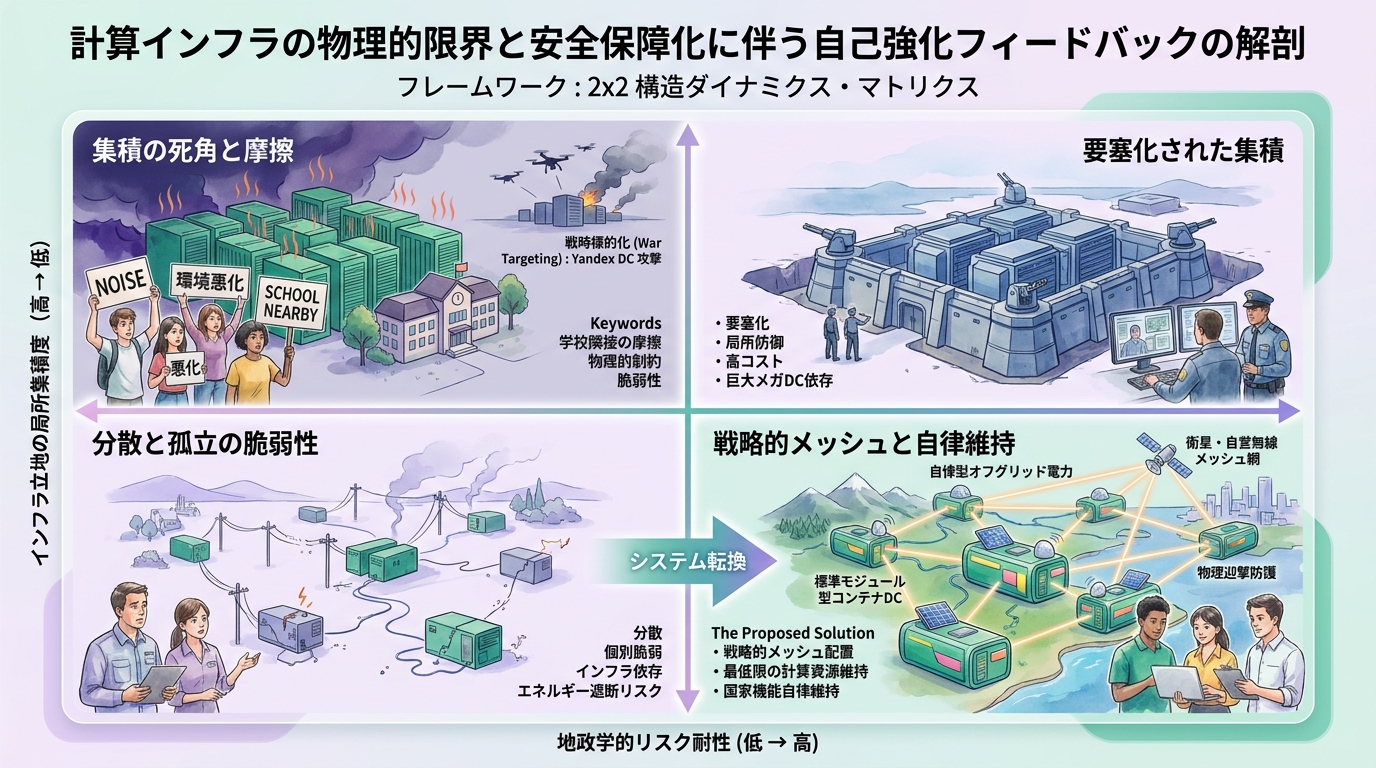
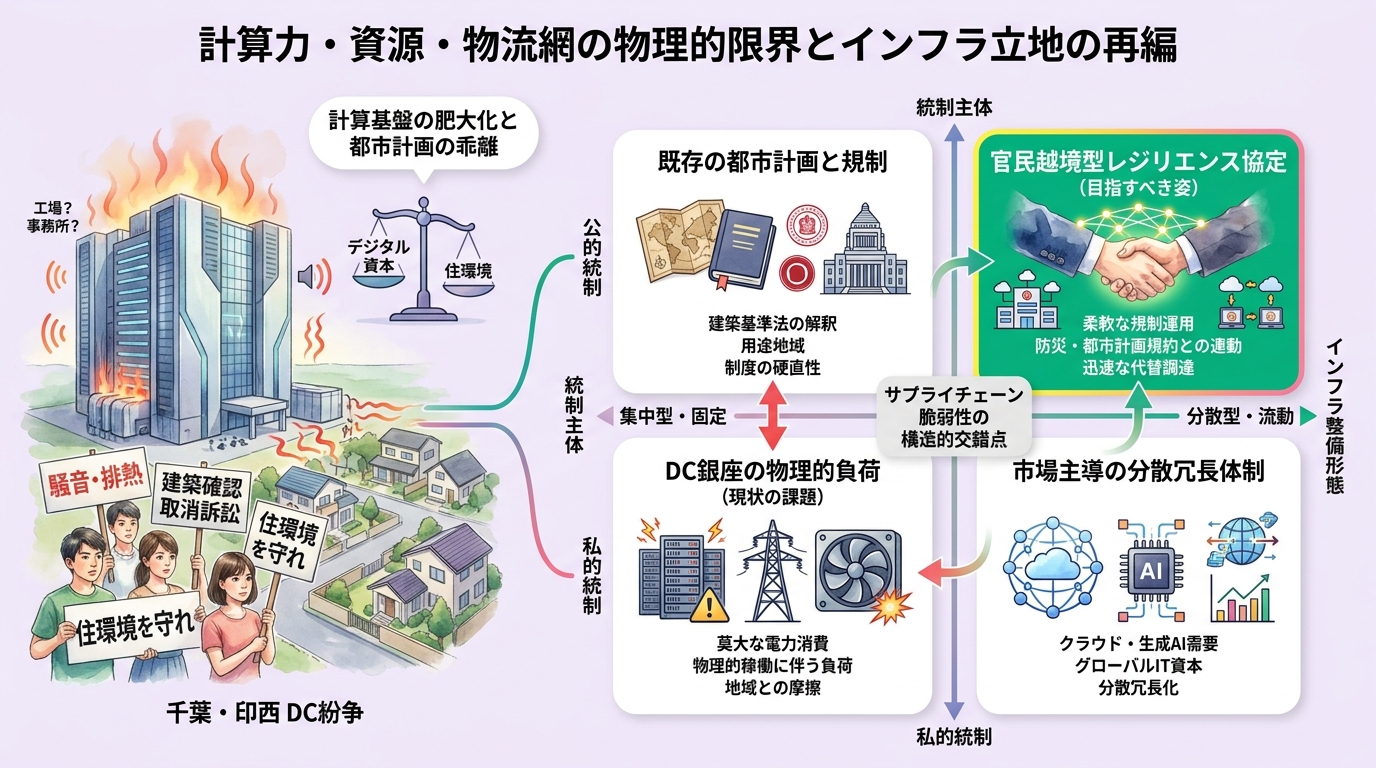
The logical burden on computers is exacting a heavy toll on real-world physical infrastructure as well. Hyperscale data centers, proliferating everywhere to sustain AI training and inference, have gravitated toward high-capacity power lines and communication network nodes, resulting in facilities springing up directly alongside quiet residential neighborhoods. Residents have voiced confusion and deep concern over the persistent low-frequency noise emitted by cooling fans, the deterioration of sunlight and scenery caused by colossal inorganic buildings, and the exhaust from emergency power generators. Zoning regulations and environmental assessment standards in urban planning have failed to keep pace with the speed of AI adoption, and the structural distortion of head-on collisions between local living environments and digital foundations is surfacing across regions.
To firmly establish the benefits of technology in society, both the rigorous management of quality in logical space and the building of consensus in physical space are indispensable. For automated code generation, governance must be rebuilt to mandate static analysis and rigorous testing processes, while data center site selection must be governed by statutory frameworks establishing standards for community dialogue, waste heat, and noise suppression. The phase of unconditionally affirming the expansion of computational power has passed. Calmly re-examining the soaring vulnerabilities and infrastructural friction we face, and establishing effective development and operational standards predicated on safety and social acceptability, is the surest path to making digital foundations sustainable.