The Self-Replicating Capital and Geopolitical Lag Encapsulated by the 'Nvidia Bank'
A chain of circular investments swallowing mountains of short positions, and the structural vulnerabilities laid bare by national security intelligence frictions
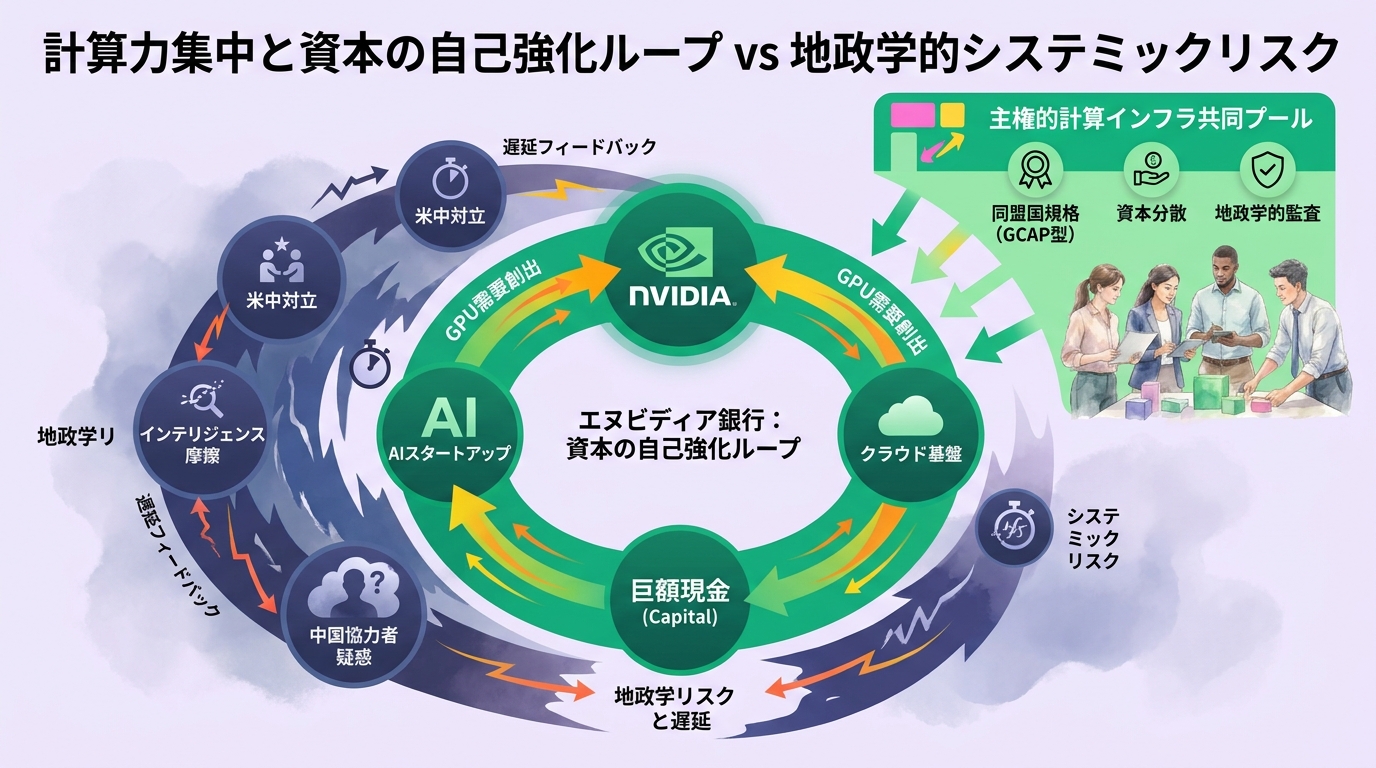
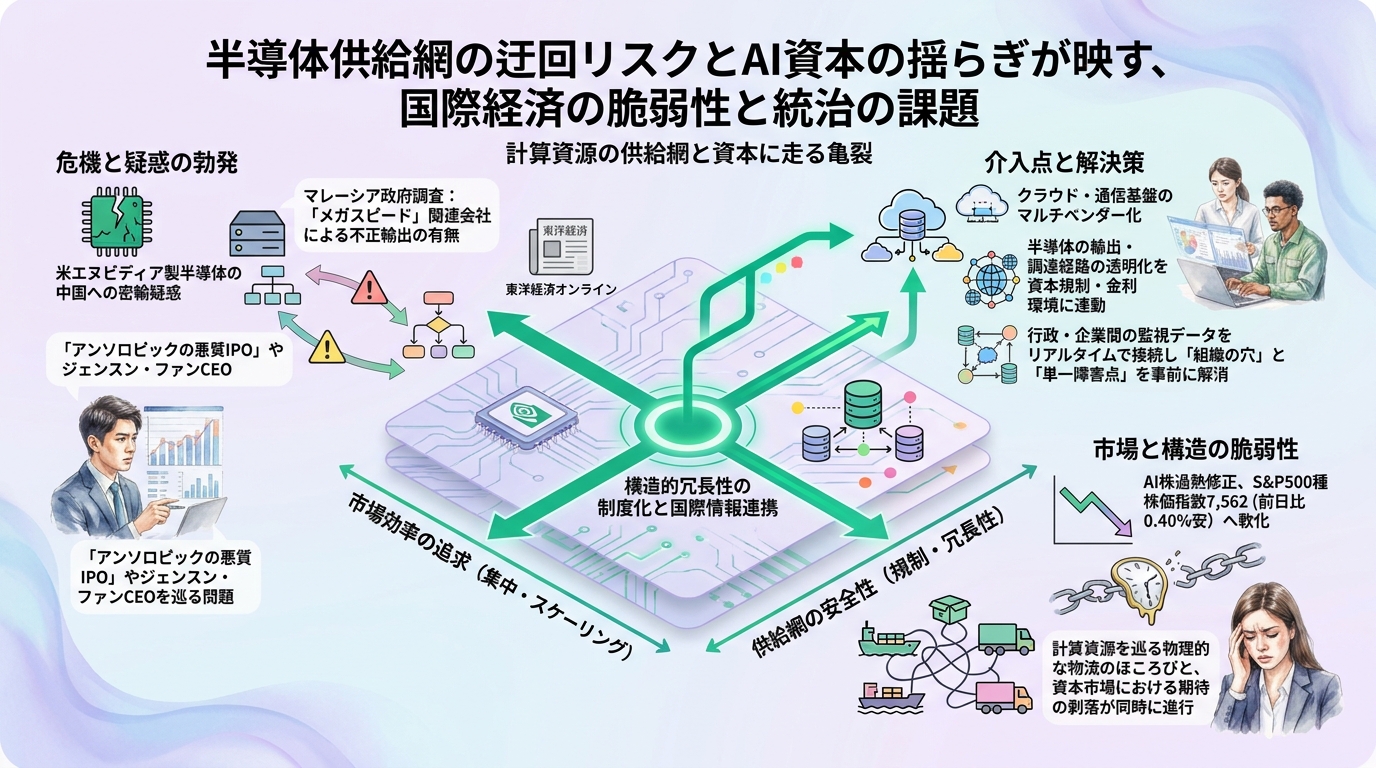
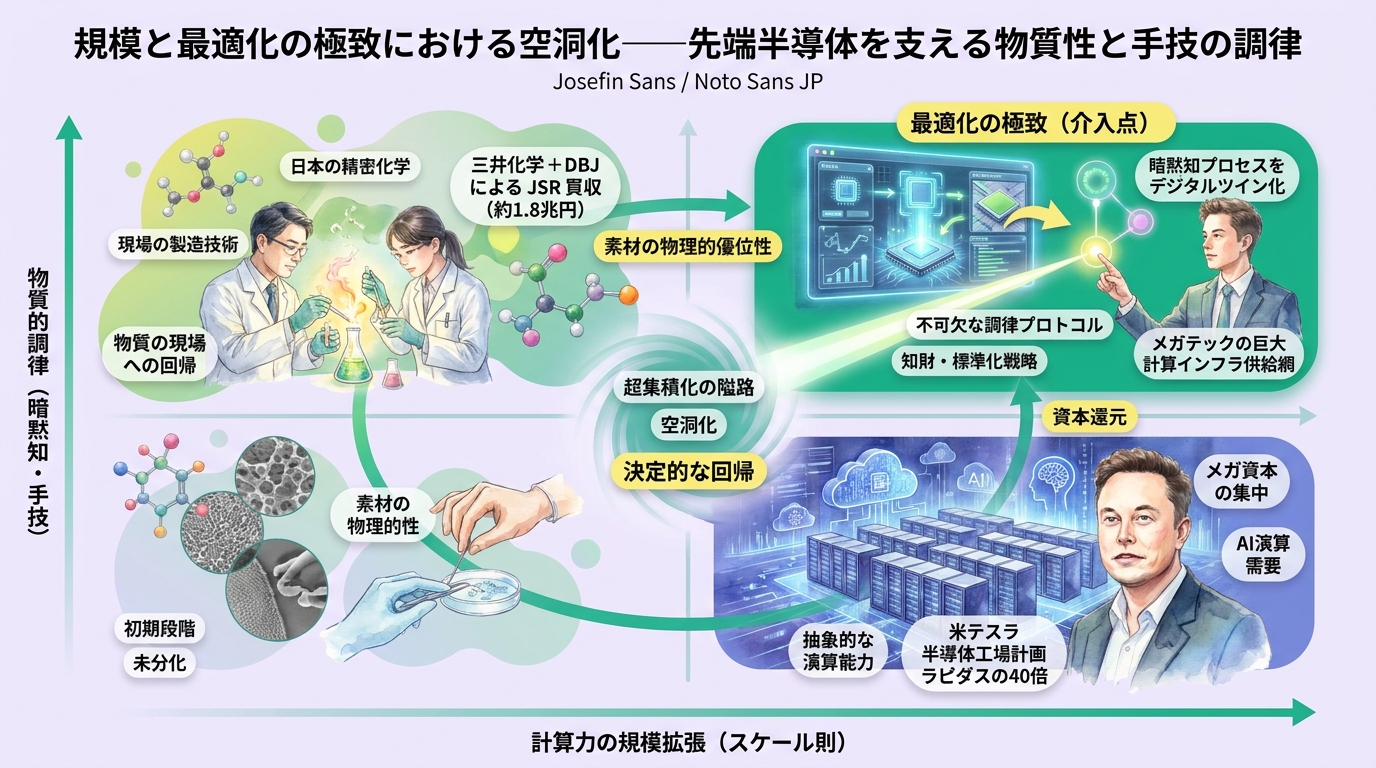
On Wall Street, Nvidia's presence transcends that of a mere semiconductor design firm, approaching the footprint of a financial intermediary. Drawing from its own high-yield operations, the company invests in promising startups, and those funds flow directly back into its coffers as the procurement capital for massive volumes of Nvidia accelerators. As Nikkei pointed out, even in phases where rapid profit growth is correcting price-earnings ratios and other overvaluation metrics, a segment of the market maintains high levels of short interest anticipating the limits of this business model. Meanwhile, according to US reports conveyed by NHK, national security suspicions have surfaced alleging that a woman in the orbit of Chief Executive Officer (CEO) Jensen Huang was an operative cooperating with the Chinese government. This turbulence, erupting amid tightening export controls on advanced semiconductors, brings into sharp relief the reality that geopolitical risks are quietly advancing beneath the glossy surface of robust financial figures.
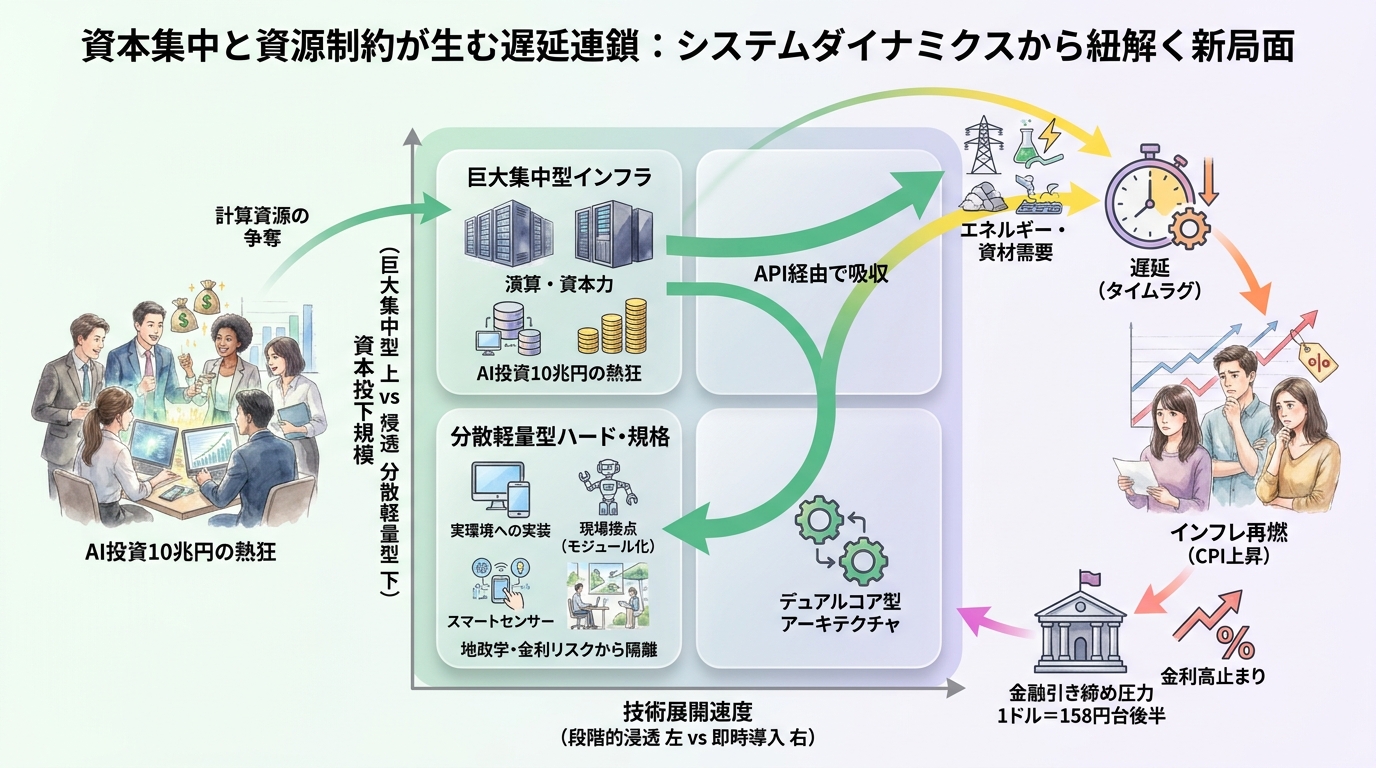
At the core of this structure lies the resilience of a self-reinforcing loop—accelerated by the integration of capital and technology—and the time lag lurking behind it. Cloud giants and startups pour massive capital expenditures into Nvidia to avoid falling behind competitors, and the company immediately reallocates the resulting capital toward next-generation architecture development and investments in ecosystem firms. This positive feedback loop—where demand begets supply, and supply justifies new investment—possesses a momentum capable of blowing away external skepticism. However, national sovereignty and intelligence agency surveillance networks operate on a completely different temporal axis than quarterly financial reports. Friction factors such as loopholes in the containment net against China and concerns over leaks of classified information manifest with delays spanning months to years, possessing the propensity to suddenly shake the foundations of an overheating capital cycle.
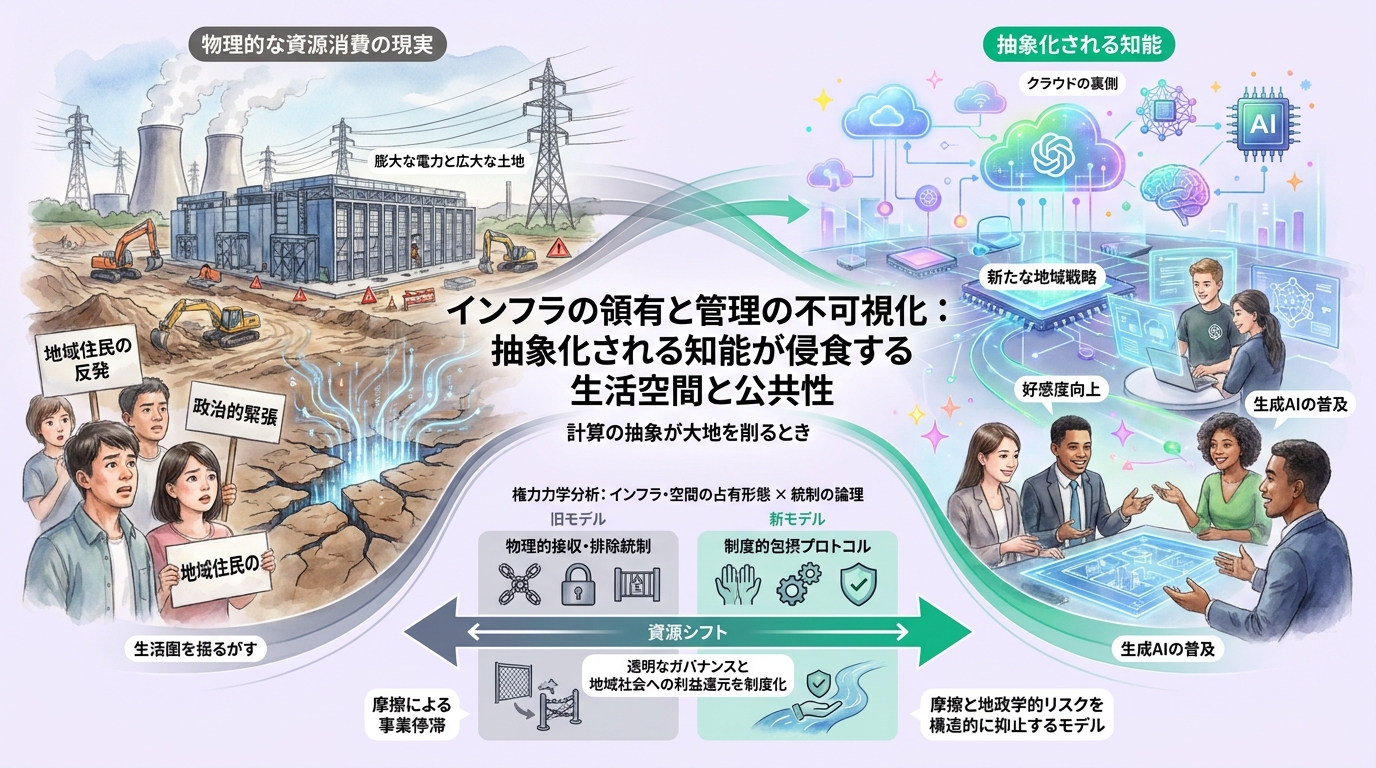
Within this over-enlarged ecosystem, the key dictating the entire dynamic lies less in semiconductor manufacturing capacity itself than in the degree of national sovereignty intervention imposed on the supply chain. The supply network for cutting-edge GPUs is highly concentrated within Taiwan Semiconductor Manufacturing Company (TSMC) foundry lines, and regulators are increasingly focused on how closely the ultimate destinations of these manufactured products can be tracked. Even if private investment circulation appears sound, if security demands block access to major markets or further tighten technology transfer regulations, the investment recovery period for customers will stretch out instantaneously. Whether this self-reinforcing financial mechanism continues to function depends not merely on Nvidia's product development capabilities, but on the policy judgment defining the boundary line between export controls and intelligence defense walls drawn by the US government.
The concern that localized optimization by individual corporations could transform into systemic contagion risks enveloping the entire financial system cannot be dismissed. The investment competition to secure the fruits of AI development early on forces market participants into continuous capital expenditure expansion. However, the moment the arteries of this circular flow are constricted by sharpening US-China confrontations, a global contagion of impaired GPU asset values and compressed capital investments will follow. The current market environment—where the S&P 500 languishes near 7,720 and risk assets like crypto undergo adjustments—serves as an expression of market apprehension toward expectations-driven leverage. Can the industrial structure, overly dependent on technological superiority and self-propelling capital, pivot toward sustainable infrastructure allocation incorporating geopolitical realities? The viability of this closed growth loop is now being subjected to stringent scrutiny.