Anthropic's Anticipated IPO Illuminates the Physical Infrastructure of Intelligence Circulation; Massive Capital Concentration Evokes the 15th-Century Printing Network
A Cascade of Mega-Investments Ripples Through Advantest, Hitachi, and NEC: The Industrialization of Computational Resources Irreversibly Reshapes the Production Structure of Knowledge
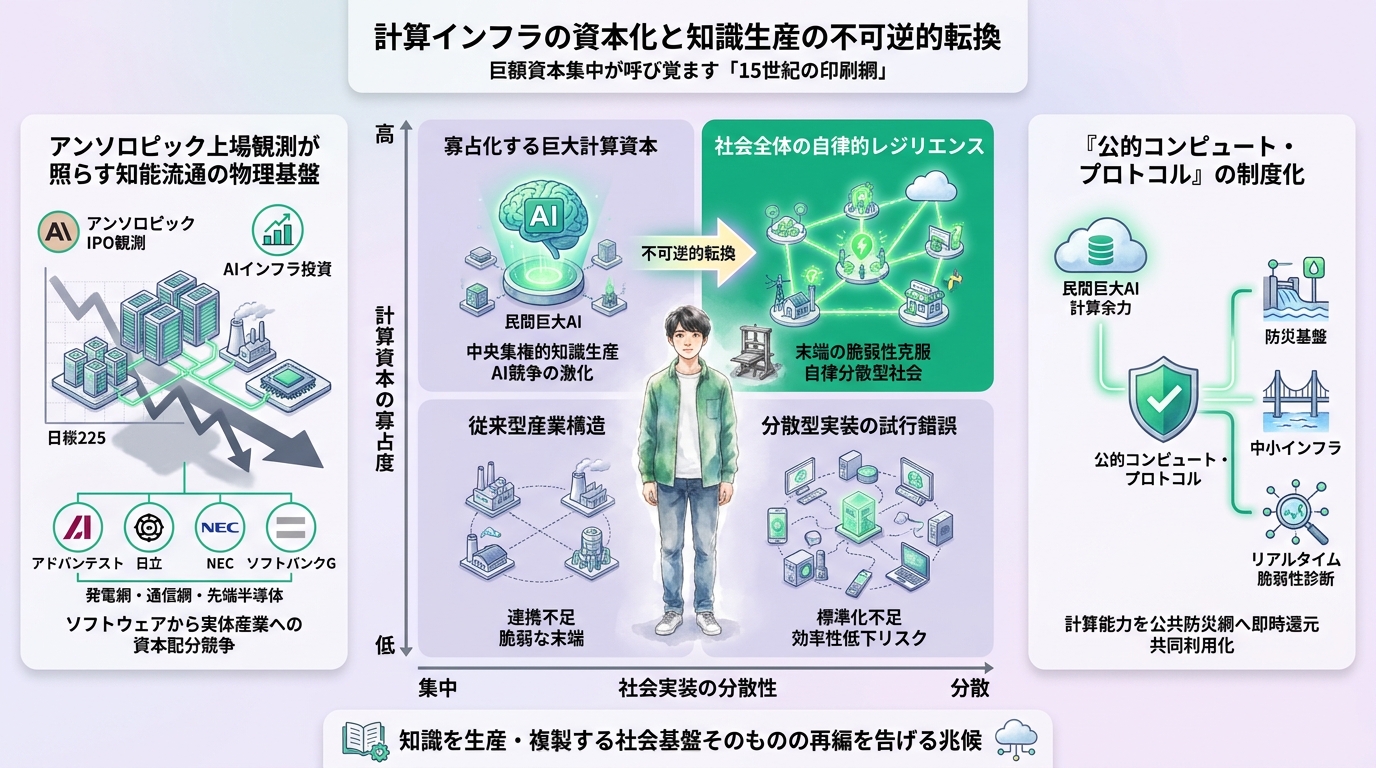
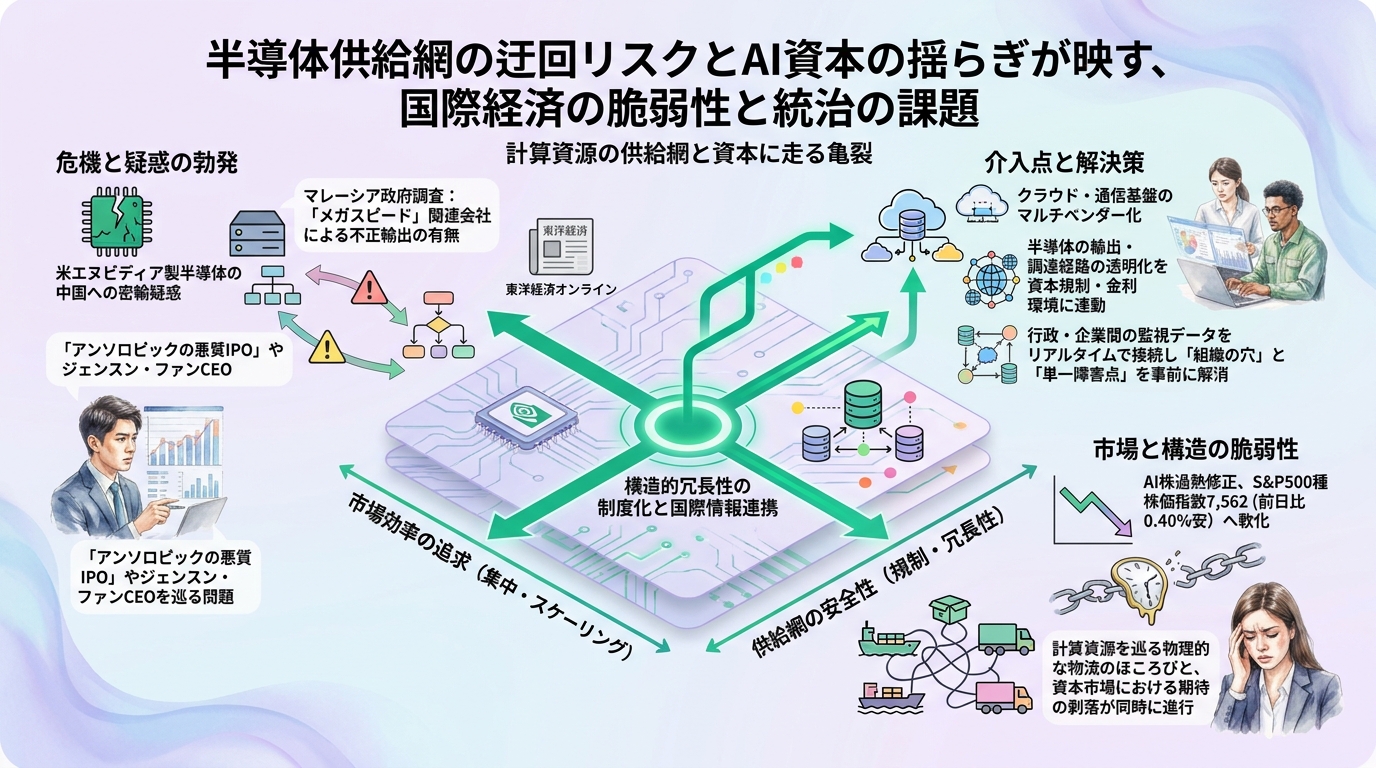
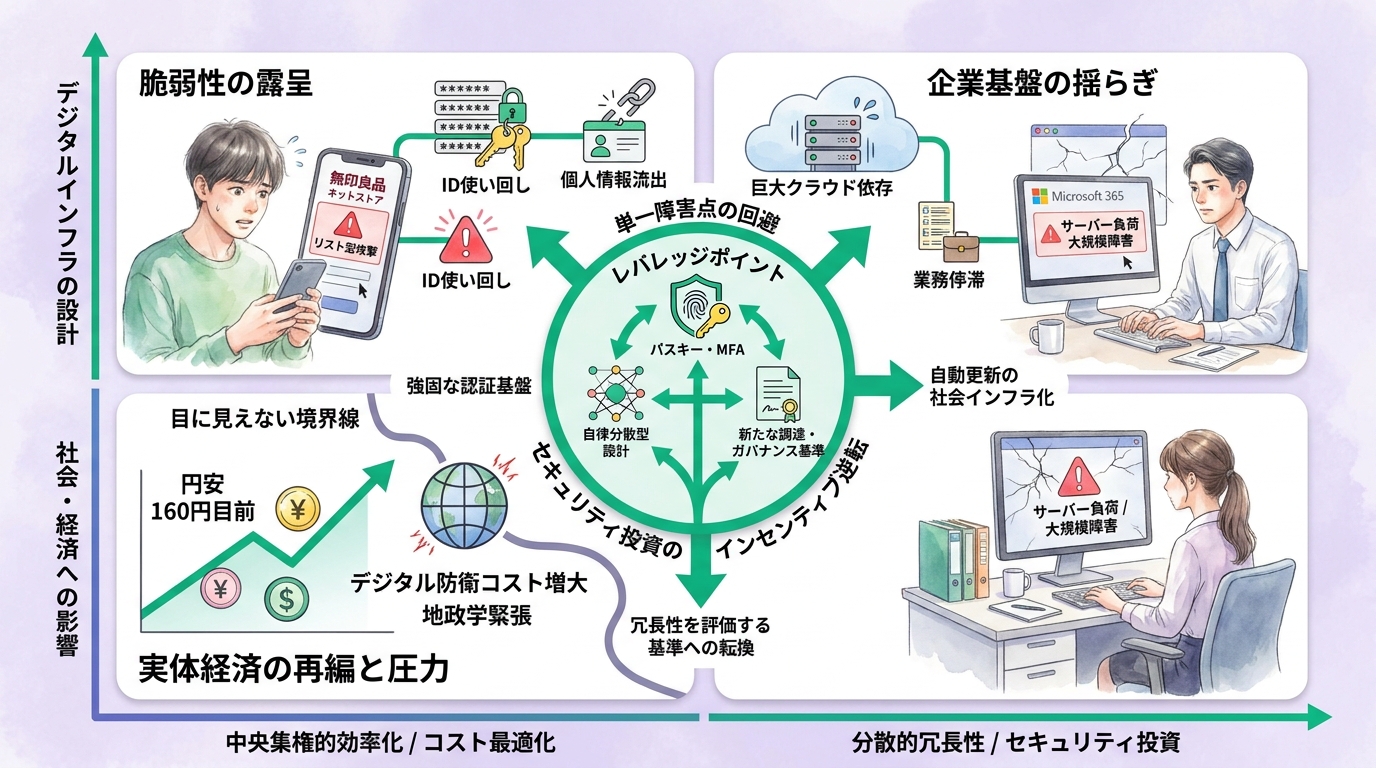
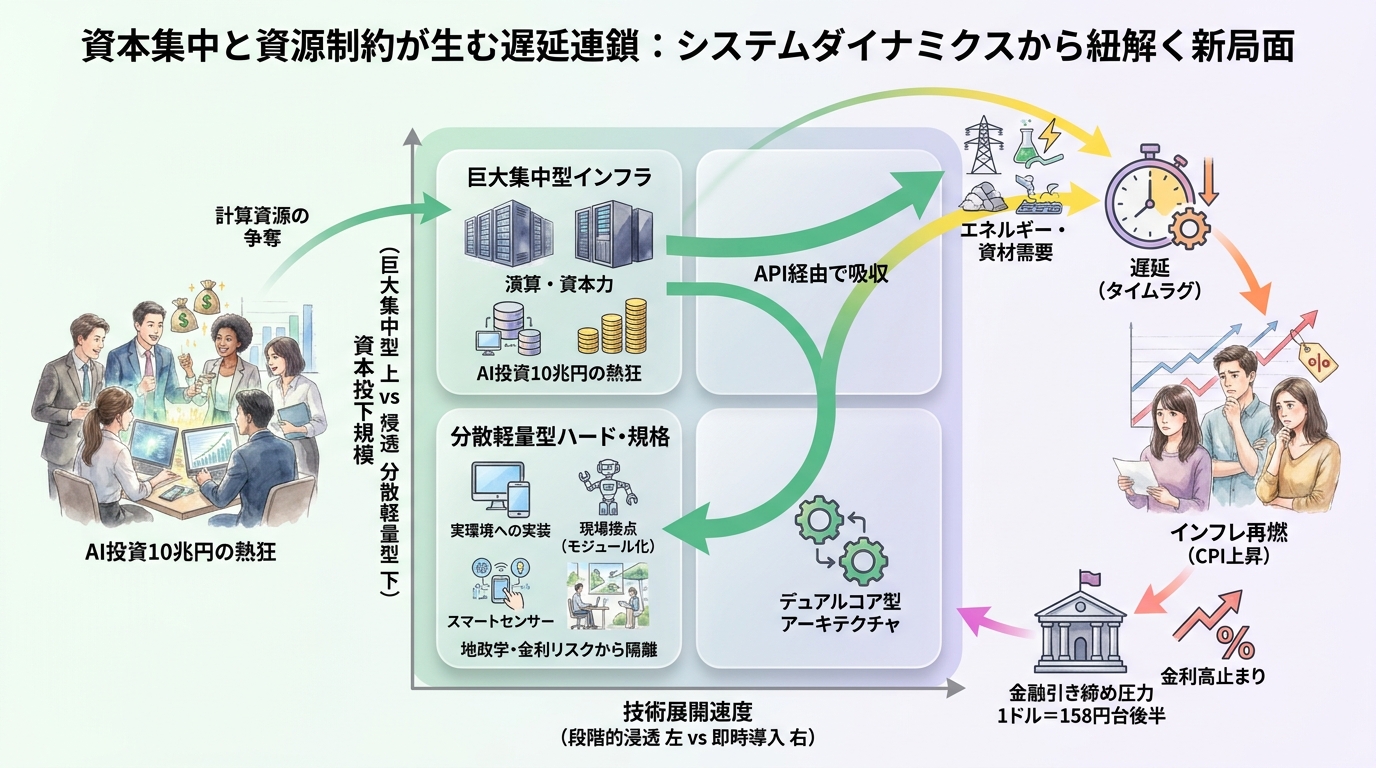
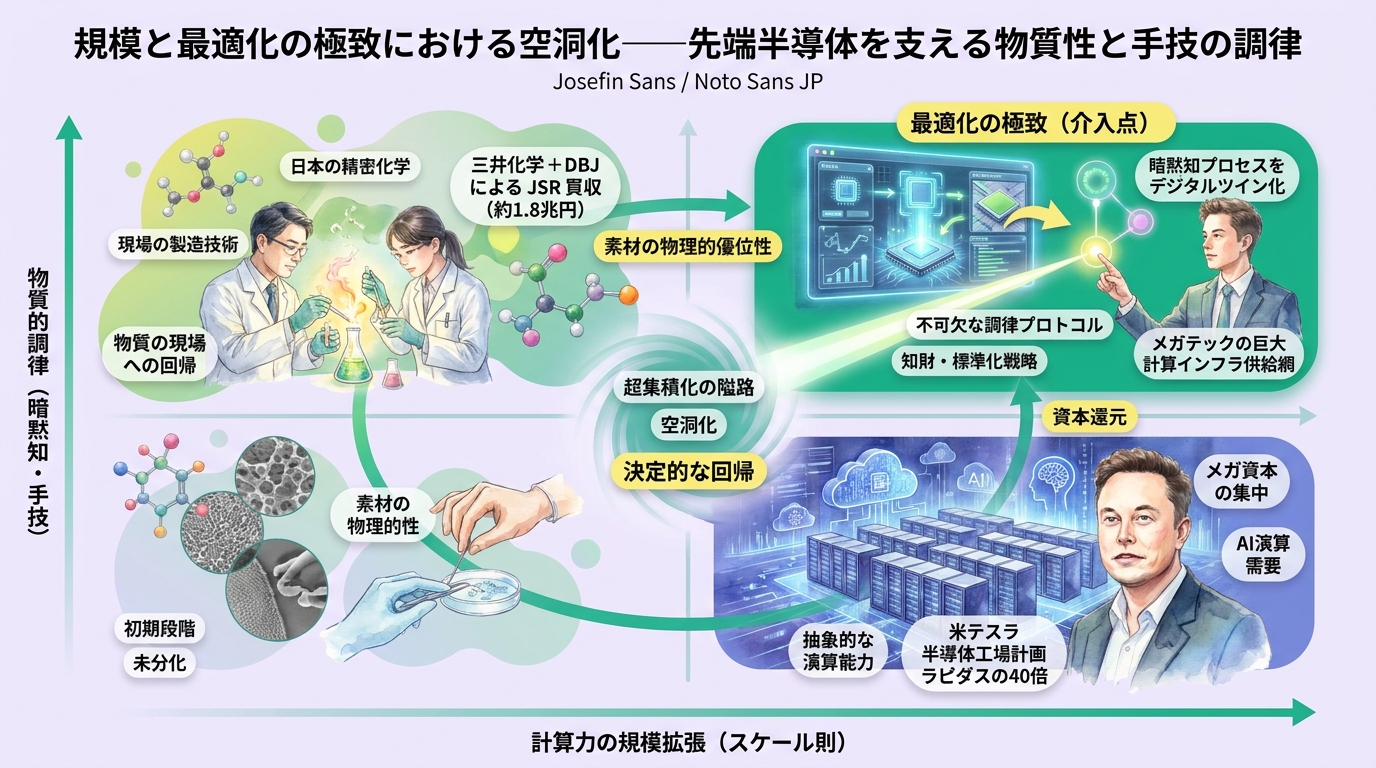
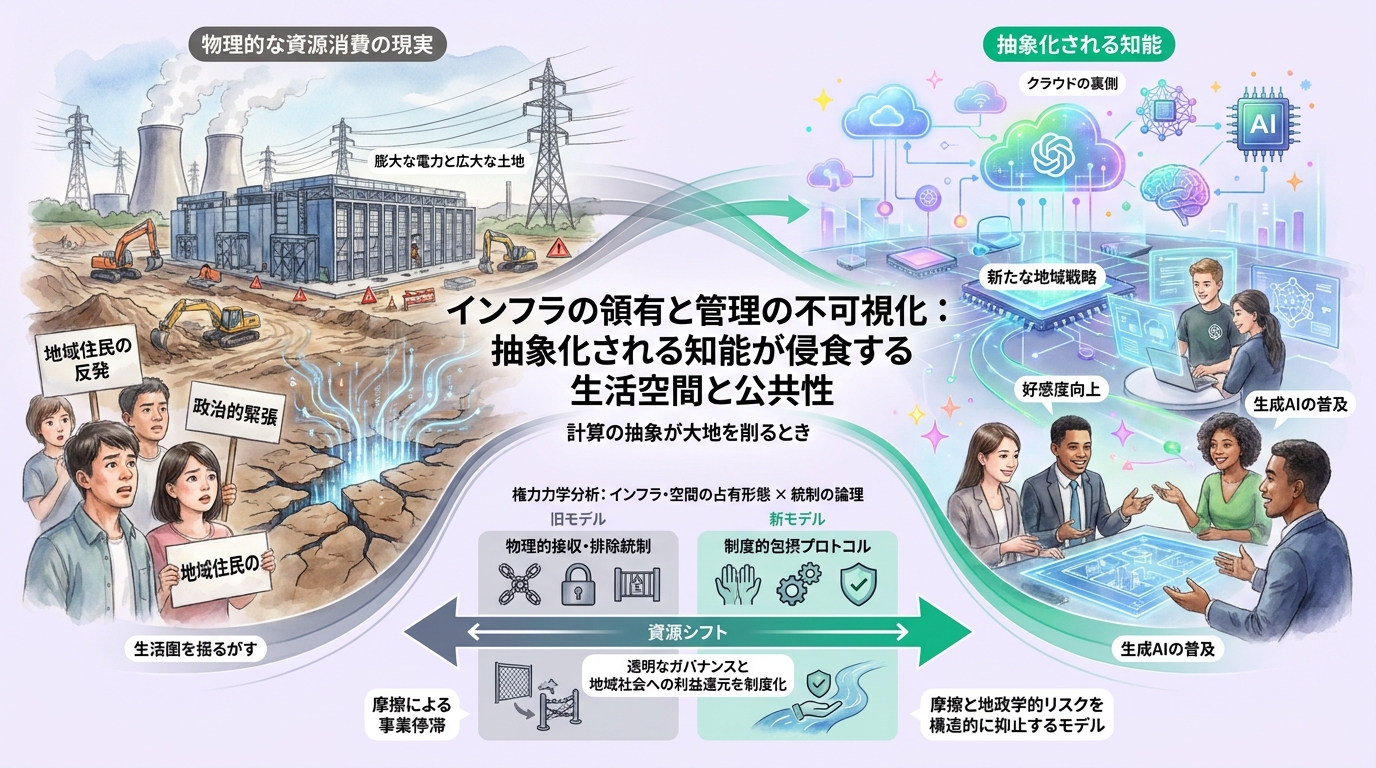
As Money Post WEB's commentary points out, the interest sparked by Anthropic's IPO expectations lies less in marginal performance differences between models than in the sheer scale of the physical infrastructure required to sustain them. Markets are parsing the trajectory of massive underlying demand by segmenting 'partnership' and 'infrastructure' plays, from the high-performance semiconductor testers managed by Advantest to the power control and communications systems for next-generation data centers being rushed into construction by Hitachi and NEC. The ballooning consumption of electricity and computational resources required to operate generative AI demands capital outlays of unprecedented magnitude, beginning to dictate the financial strategies of investment holding entities such as SoftBank Group, which has poured massive sums into the space. The creation of intelligence has now left the realm of abstract programming code, transitioning into a struggle of industrial capital grappling with the raw physical limits of silicon wafer processing precision and high-voltage substation capacity.
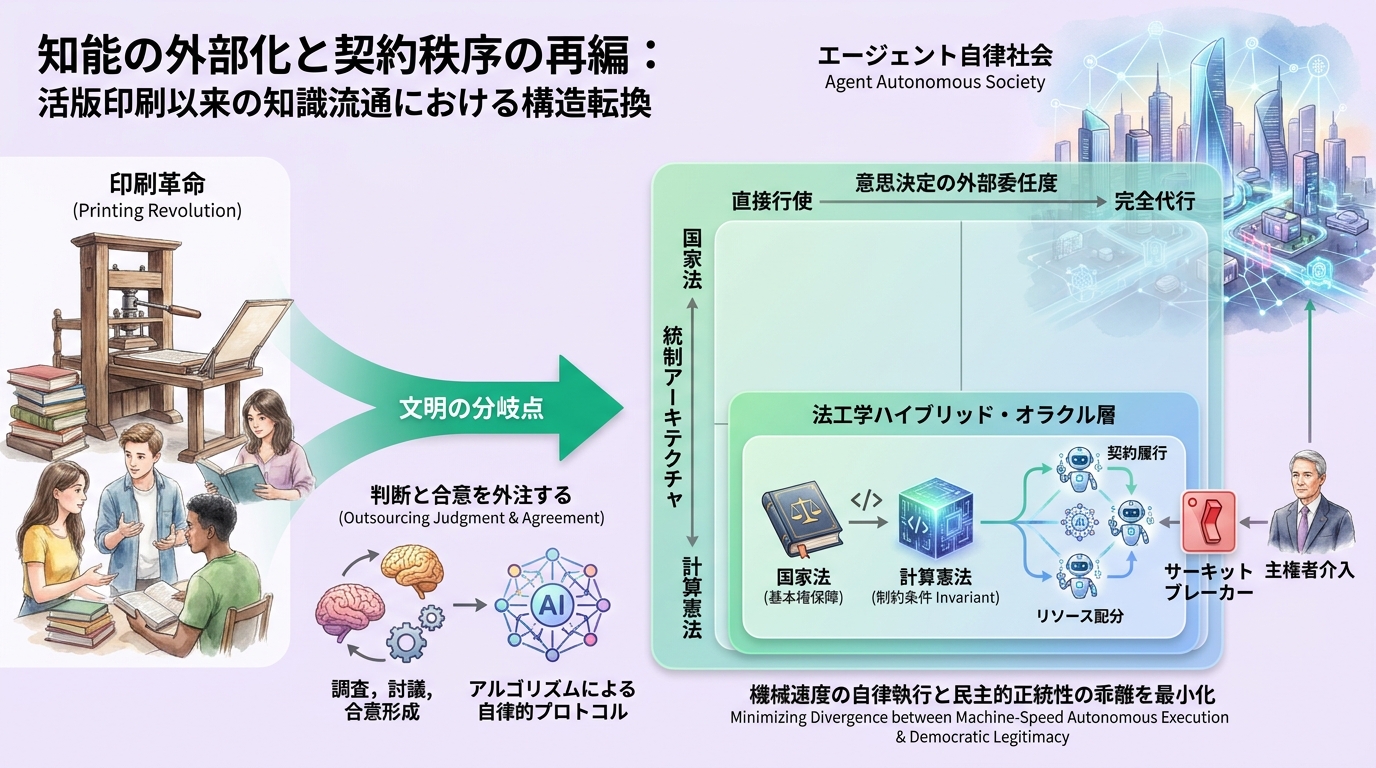
This landscape bears a striking resemblance to the deployment of Johannes Gutenberg's movable-type printing technology that swept Europe in the mid-15th century. The essence of the printing revolution lay less in the invention of movable type itself than in the combination of heavy physical infrastructure: precise metal-type casting techniques, the development of oil-based inks, and above all, the expansion of paper mills and the maintenance of trade routes. Just as the mass replication of books cradled the Reformation and modern science, technologies that dramatically accelerate the circulation of knowledge have invariably presupposed the establishment of supply networks backed by massive capital and material investments. At that time, printing workshops were sustained by financial capital from Frankfurt and Augsburg, epitomized by the Fugger family. Today, the tide of capital galvanized by Anthropic's IPO expectations can likewise be viewed as a historical repetition—an attempt to lay down a 'modern printing network' for the industrial-scale replication and distribution of intelligence.
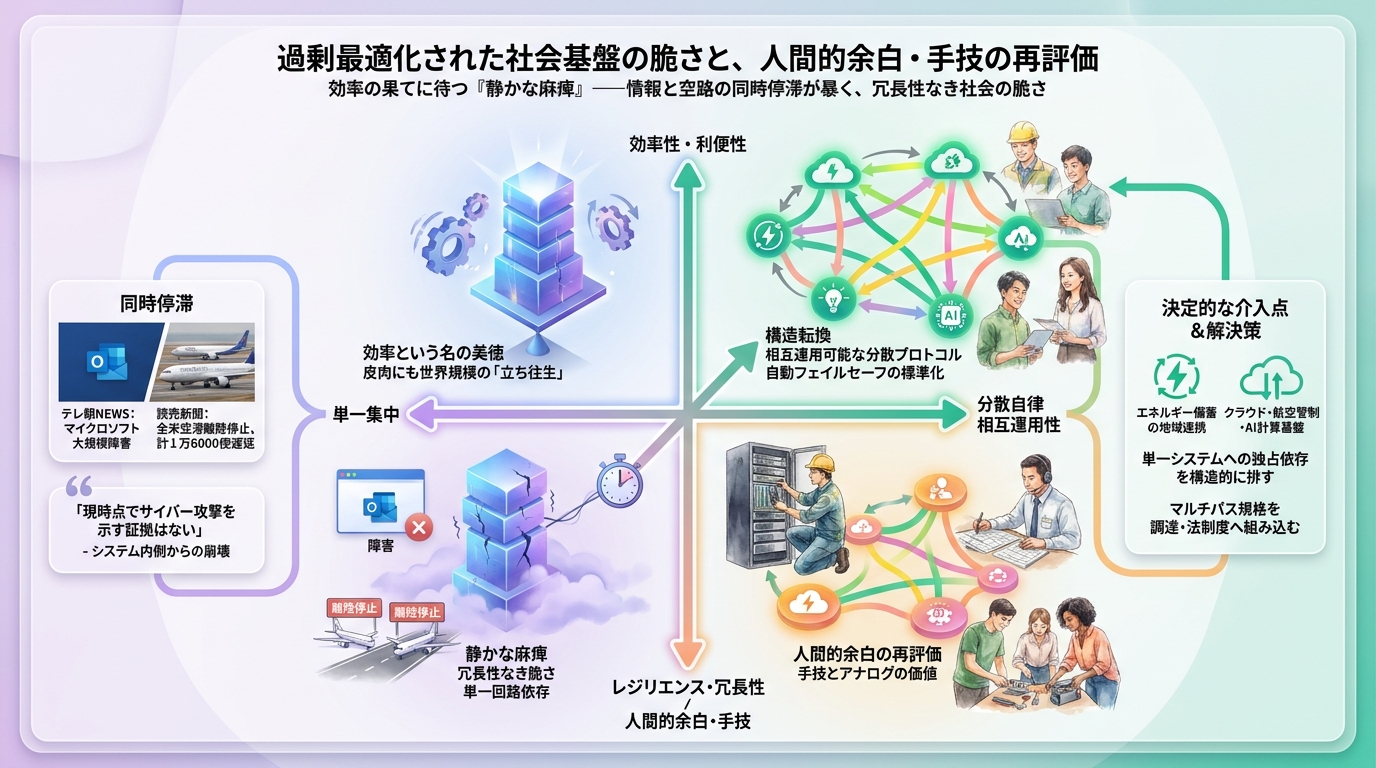
The reason this structural transformation is irreversible is that the development of frontier models and the maintenance of inference infrastructure have surpassed the threshold where individual private enterprises can complete them in isolation, becoming rigidly intertwined with national-level energy policies and industrial foundations. To ensure the stable and continuous execution of advanced computational processing, multi-layered manufacturing, civil engineering, and supply networks must mesh seamlessly—from maintaining nanometer-level semiconductor yields measured by Advantest to grid interconnection systems and cooling technologies supplied by Hitachi. Once constructed, this computational foundation becomes the bedrock for every economic activity, ranging from financial transactions and drug discovery to software development, entrenching social systems presupposing its use. While the production cost of intelligence drops dramatically, the barriers to entry for the supporting infrastructure are raised to their absolute limits alongside climbing capital density, driving an irreversible accumulation of fixed capital.
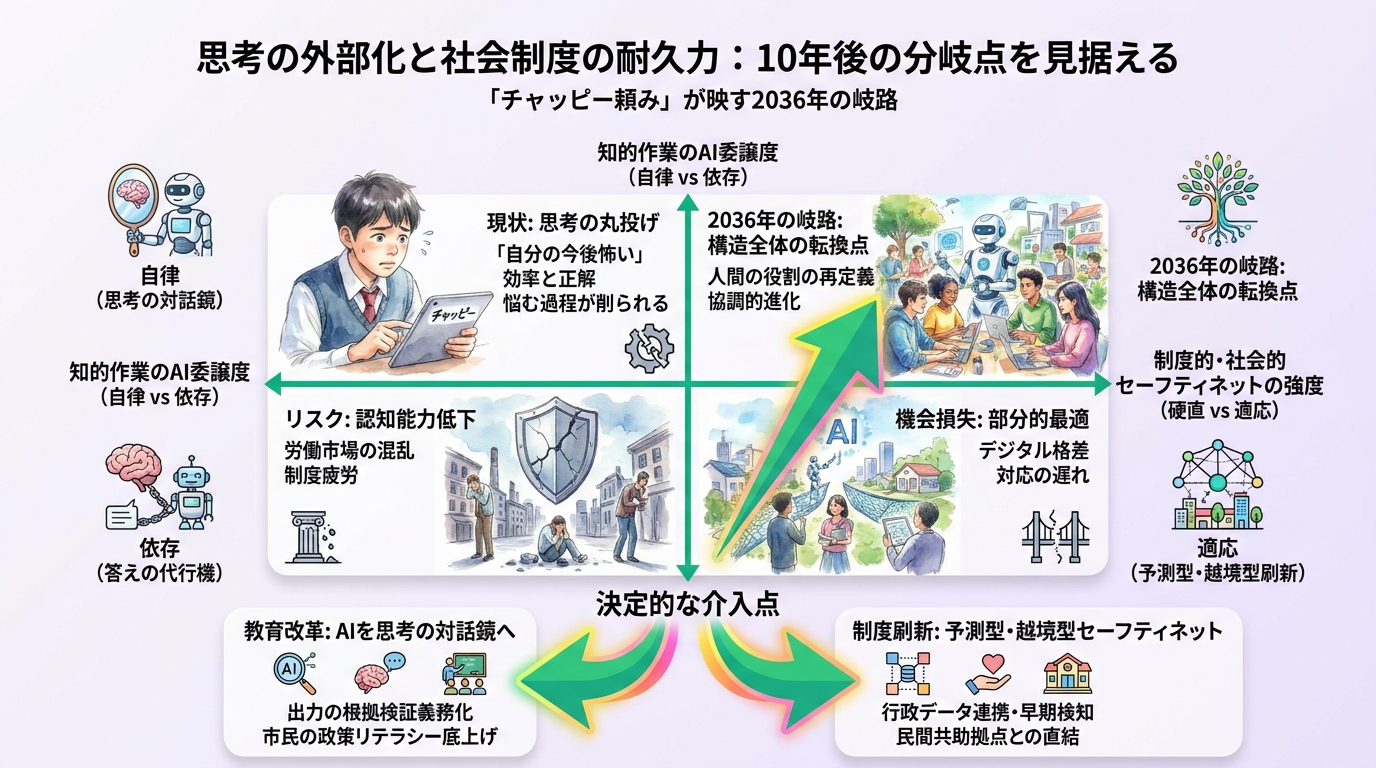
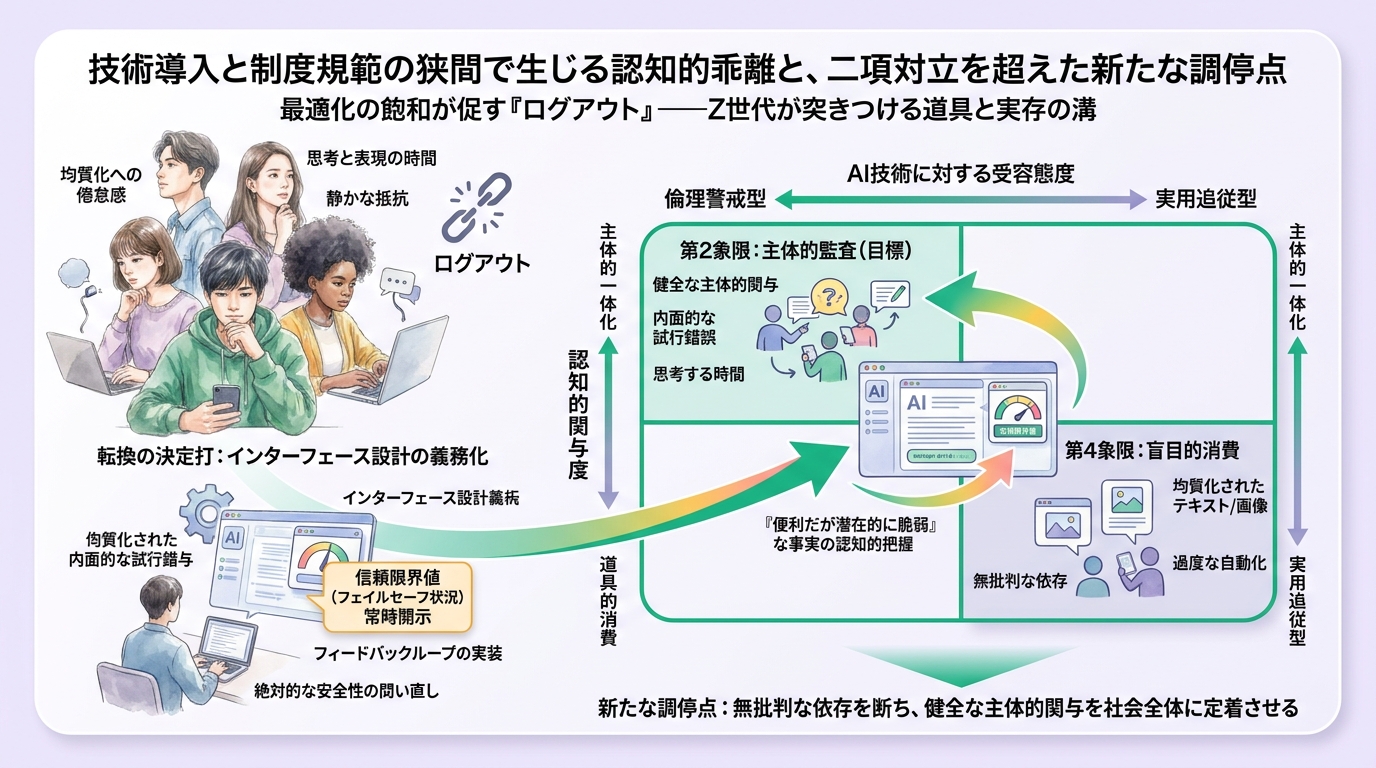
As intelligence distribution networks take root in society as industrial infrastructure, the definitions of human labor and creativity are also fundamentally reorganized. Just as the printing press relieved copyists of handwritten manuscripts from routine transcription labor and allowed new intellectual pursuits like authorship and critique to flourish, the routinization of large language models encourages the delegation of tasks such as information summarization and boilerplate code writing to machines. What remains for humans is the domain of responsibility and decision-making: discerning the validity of output logic and connecting it to the complex context of reality. What Anthropic's public offering calls into question extends far beyond the economic calculation of what industrial order will emerge where massive capital flows. It marks the beginning of a fundamental question: when computational resources—having overcome the constraints of physical infrastructure—are deployed on a planetary scale, what shall we designate as 'thought unique to human beings'?