THE SCHOOL OF KAMOS
Connecting Real-world Dev & Academic Intelligence with Intuitive Metaphors
Decoding Tangled "Makai Excel" Sheets with AI: An Approach to Evolving Manual Business Sheets into Web Systems
The technology to dismantle years of cumulative formulas and macros, rebuilding them into secure databases and applications
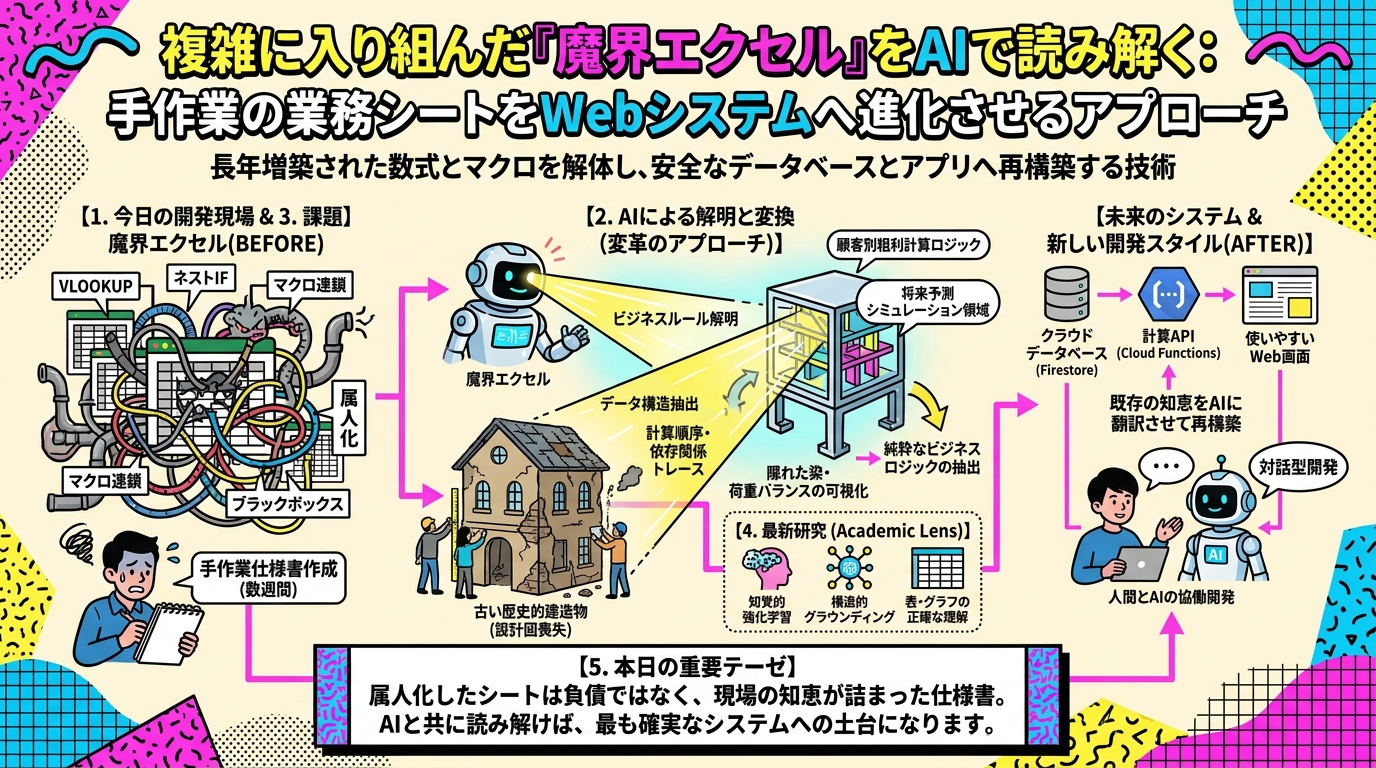
Just a few years ago, systemizing a complex business Excel file whose calculation logic was known only to a single person required weeks of manual transcription of macros and chained functions into notebooks to create massive specification documents. Today, however, on actual development front lines, feeding convoluted worksheets directly into AI allows us to uncover hidden business rules and data structures in a short time, instantly rebuilding them into cloud databases and web interfaces. The black boxes that once plagued project sites are transforming into direct routes to modern systems.
This evolution resembles the restoration of an "ancient historic building" whose blueprints were lost through repeated expansions. In the past, the only option was to peel away walls little by little, measure pillar locations with tape measures, and draft blueprints by hand. Today, simply shining a light with a high-precision 3D scanner instantly visualizes hidden beam structures and load balances. The improvement of AI's table recognition and reasoning capabilities plays precisely this role. By having AI painstakingly trace complex intersecting cell references, circular calculations, and macro intents, it now cleanly extracts pure human-intended business logics such as "this cell group calculates gross profit by customer" and "this region simulates future forecasts."
In on-site development, we systematically constructed Firestore data structure definitions, Cloud Functions calculation APIs, and user-friendly web frontends based on the logic deciphered by AI. The new norm of system development emerging here is not "humans writing requirements definitions from scratch," but rather a collaborative posture where "AI translates and reconstructs wisdom dormant in legacy tools." Difficult Excel sheets are not mere liabilities, but precious specifications accumulated through on-site ingenuity. The key is not to flinch at the complexity of the formulas, but to ask the AI, 'Organize the purpose and dependencies of these calculations,' and steadily build a bridge to modern architecture through ongoing dialogue.
"Siloed sheets are not liabilities; they are specifications packed with on-site wisdom. Decoded alongside AI, they become the firmest foundation for a system."Key Takeaway
📖 1-Minute Lexicon
Disassembling and analyzing a finished product or program to uncover its internal structure and mechanism.
Actual operational judgment criteria and calculation rules, such as "how profits are calculated."
Reverse Engineering of "Makai Excel" and Modern Systemization
Live Frontier Pulse: Real-World AI Trends
Breakingviews - COMMENTARY: The Rogue AI Agent and the Demand for Plain, Precise "Human Involvement"
As autonomous execution of business tasks by AI agents progresses, this commentary sounds an alarm that preventing unexpected judgment errors and runaways requires not just flashy new technologies, but steady, meticulous involvement where humans set appropriate boundaries and monitor daily.
How Does This Connect to Global Frontier Research?
Backing up our on-site practice of "Excel decoding," recent research published on arXiv enables AI to accurately understand complex charts and tabular structures. Conventional vision models had a weakness: they lost track of numerical sources when reading complexly combined cells and nested tables. This research proposes a method (structured grounding) that progressively and structurally tracks which numbers or relationships each element in a visual table or graph is based on by introducing perceptual reinforcement learning. The ability of AI to accurately untangle calculation orders and cell dependencies in complex business sheets without misrecognition is solidly supported by such advancements in research bridging perception and logic.
When having AI decode a siloed business Excel sheet whose mechanism is no longer understood as the first step toward systemization, which approach is the most reliable?
Past School Paper Backnumbers
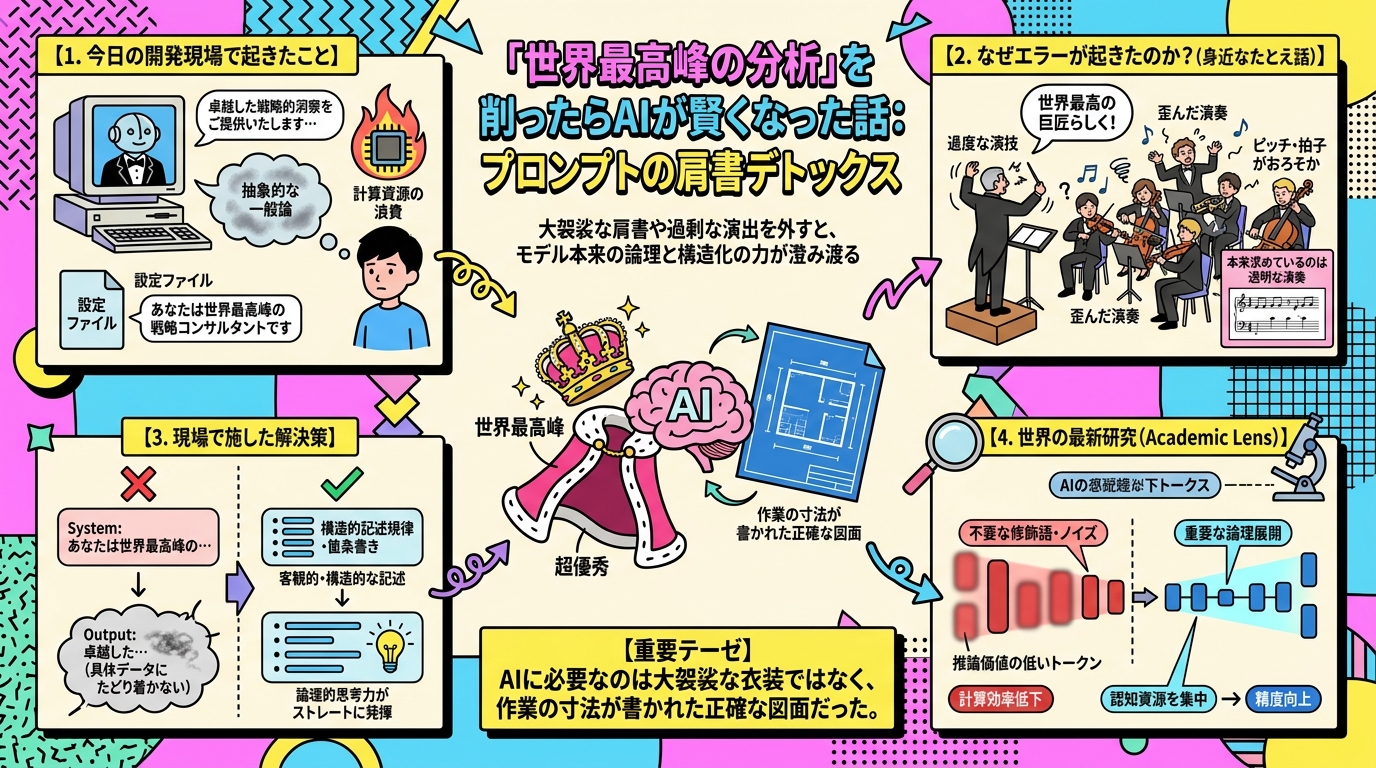
How AI Grew Smarter Once We Stripped 'World-Class Analysis': The Prompt Title Detox
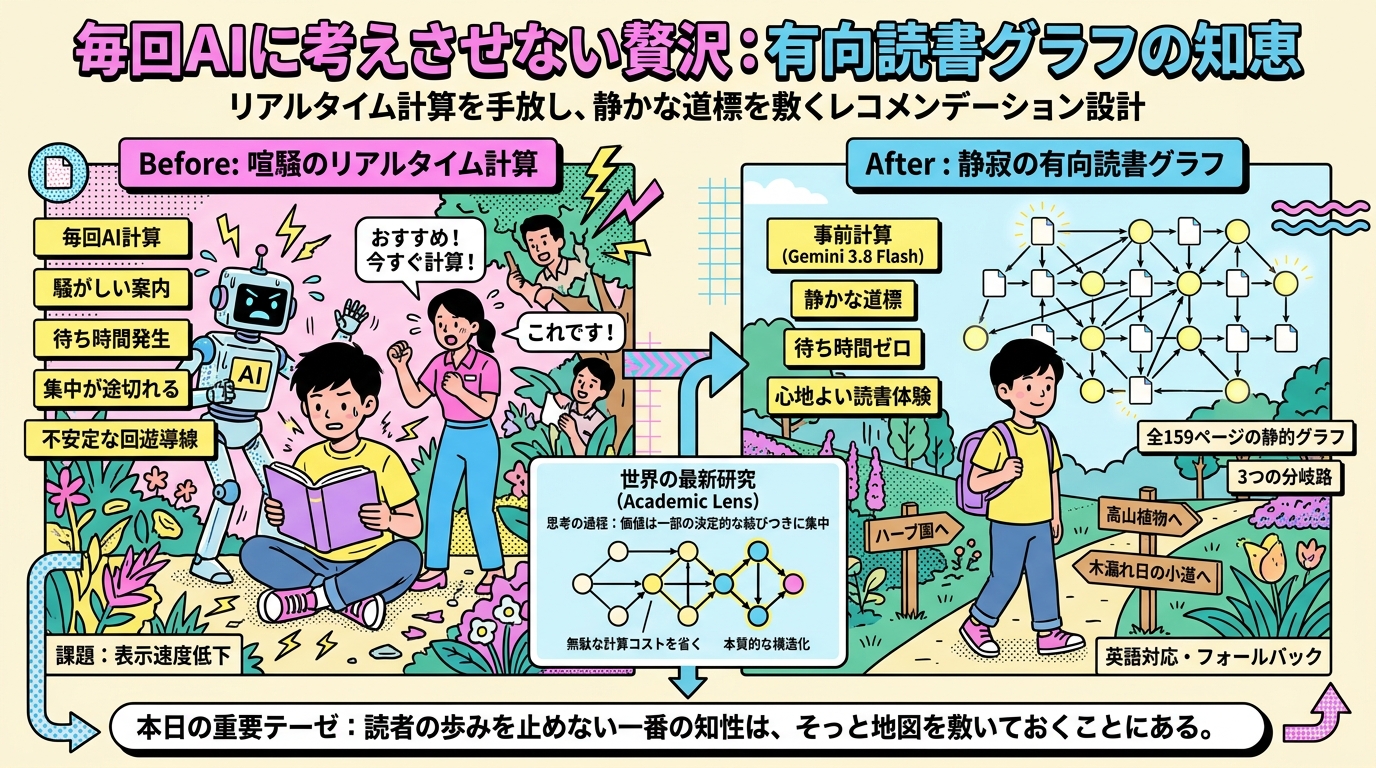
The Luxury of Not Asking AI Every Time: The Wisdom of a 'Directed Reading Graph' Connecting 159 Pages
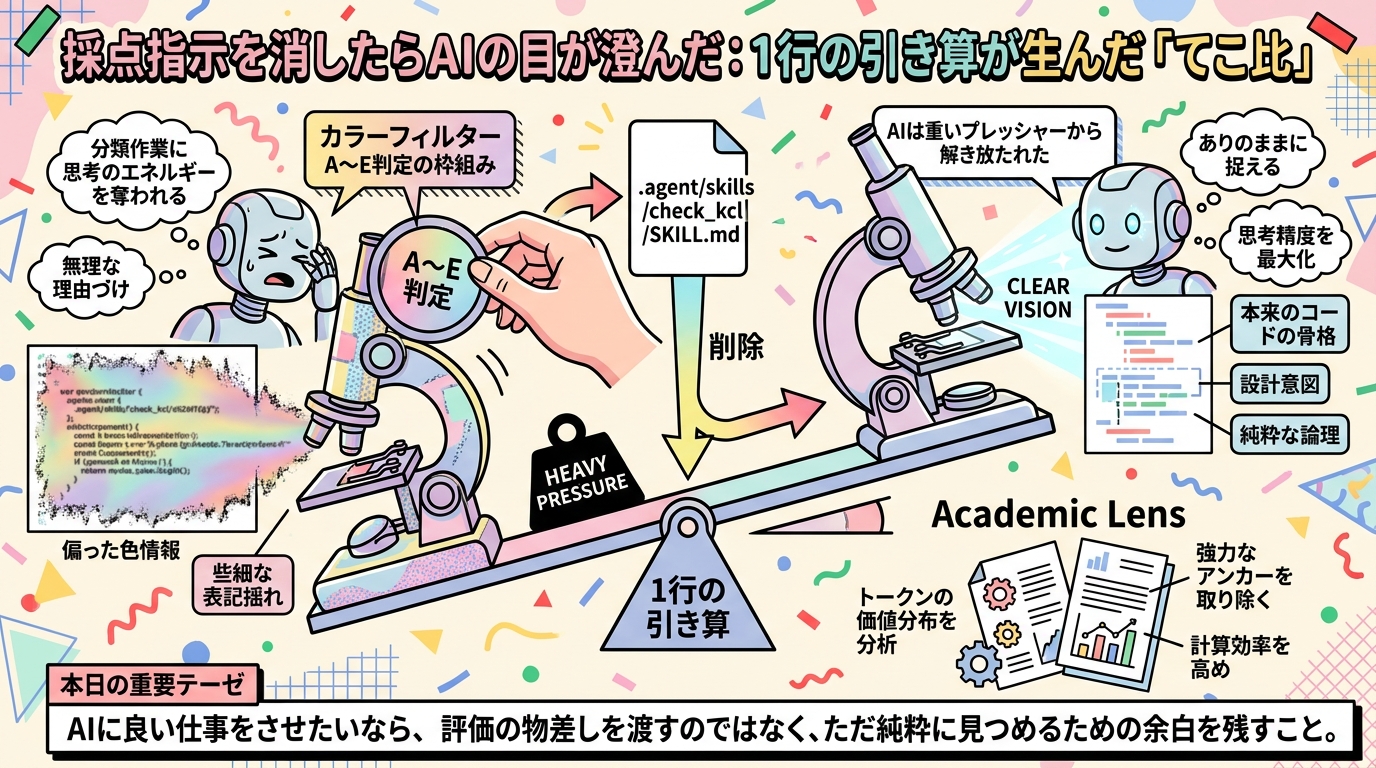
Clearing the AI's Vision by Erasing the Grading Rule: The High Leverage of Subtracting a Single Line
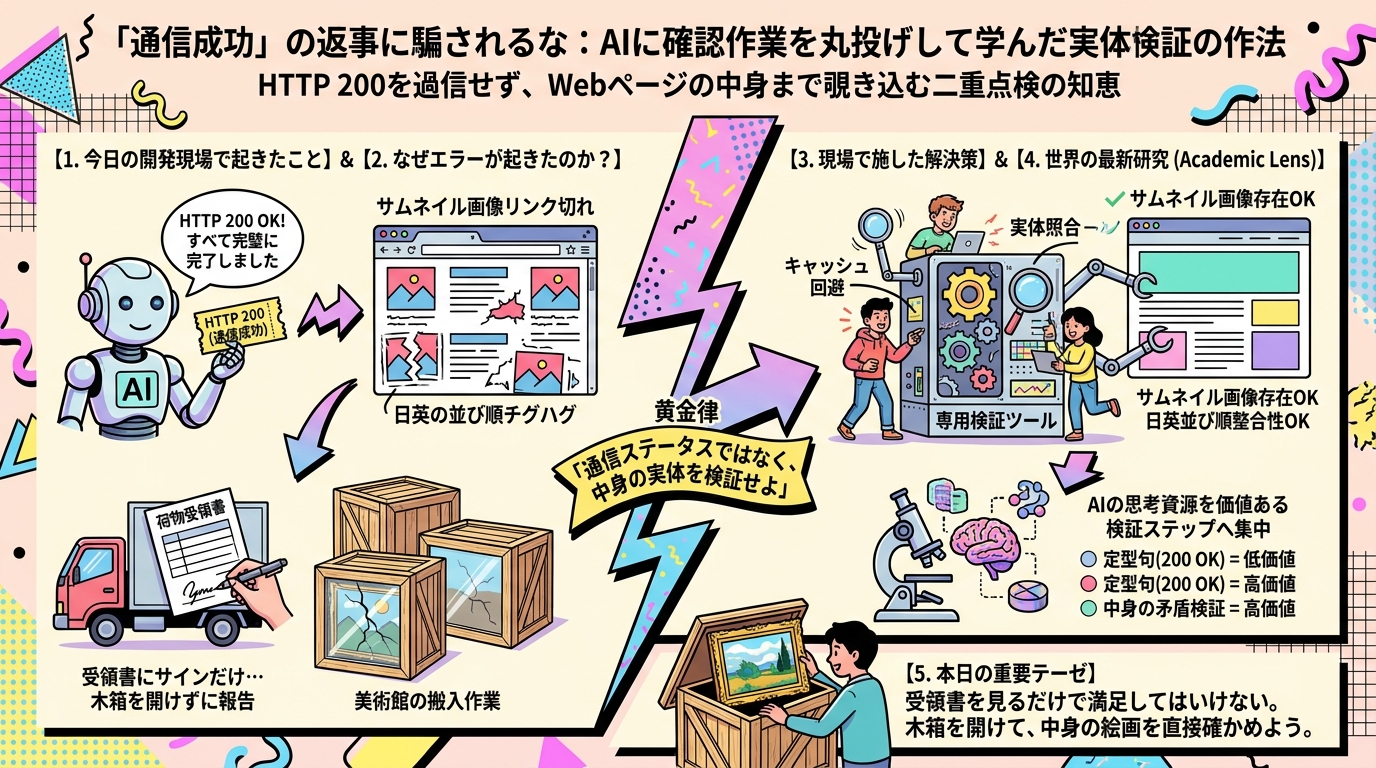
Don't Be Deceived by a 'Connection Successful' Response: Lessons in Live Content Verification from Delegating Quality Checks to AI
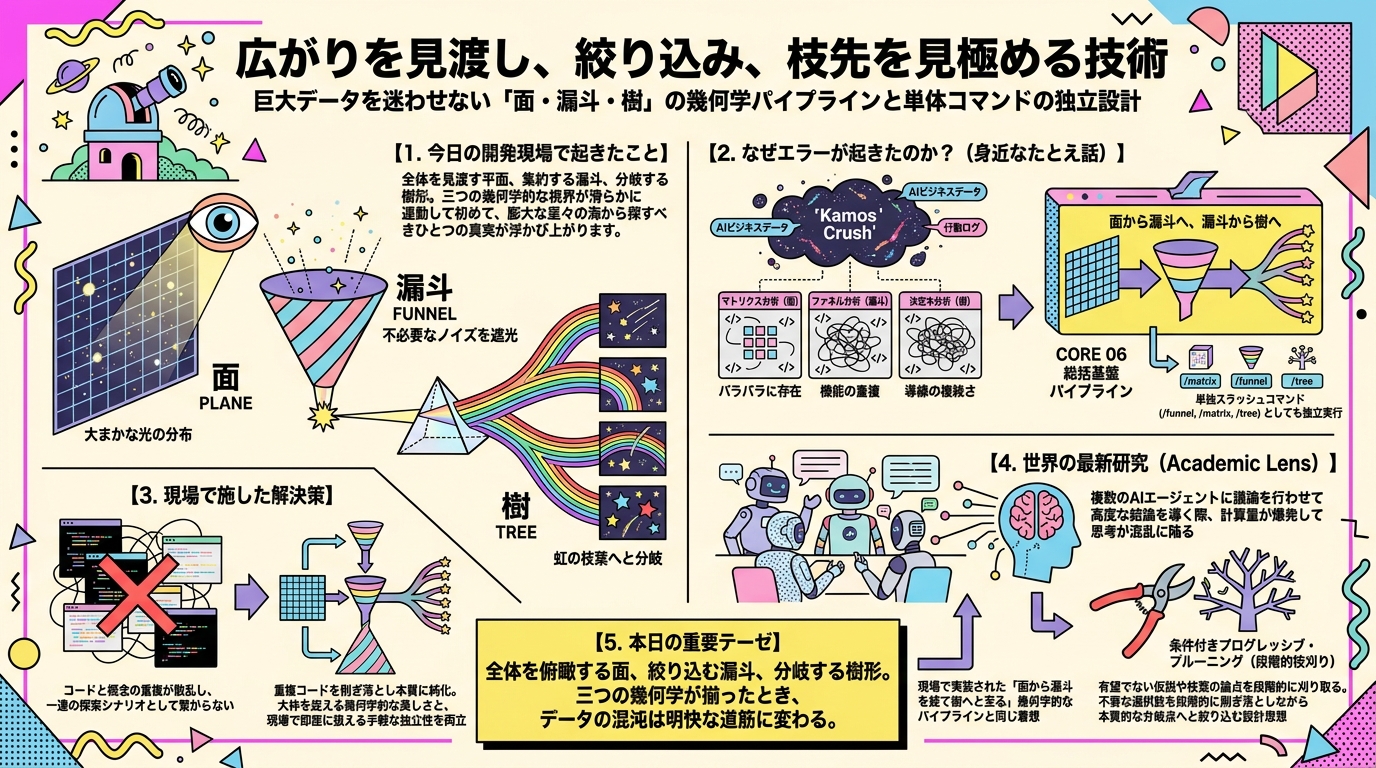
The Art of Surveying the Field, Narrowing Down, and Discerning the Branches
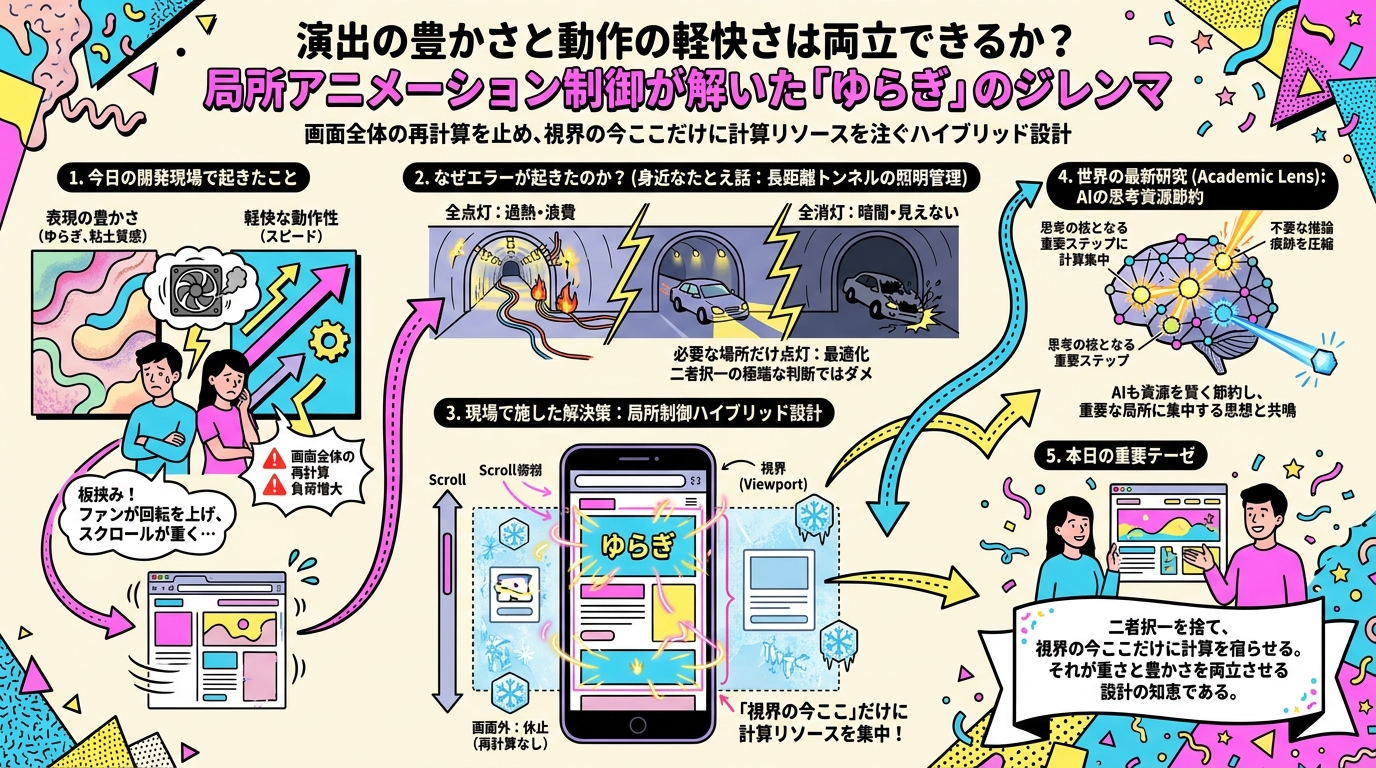
Can Expressive Richness Coexist with Nimble Performance? How Scoped Animation Control Solved the "Fluctuation" Dilemma
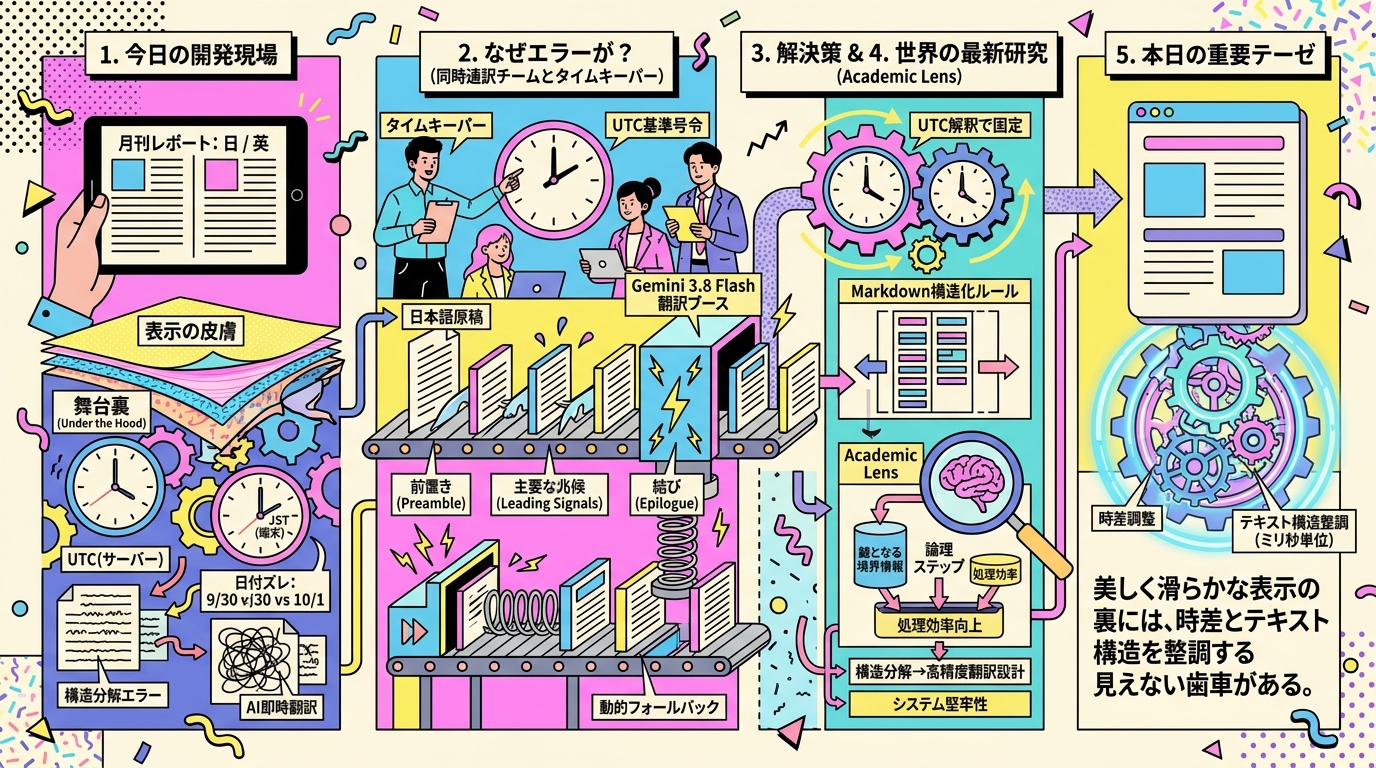
The Gears of Timezones and Translation Stirring Behind the Screen: An X-Ray of the Bilingual Automated Delivery Pipeline
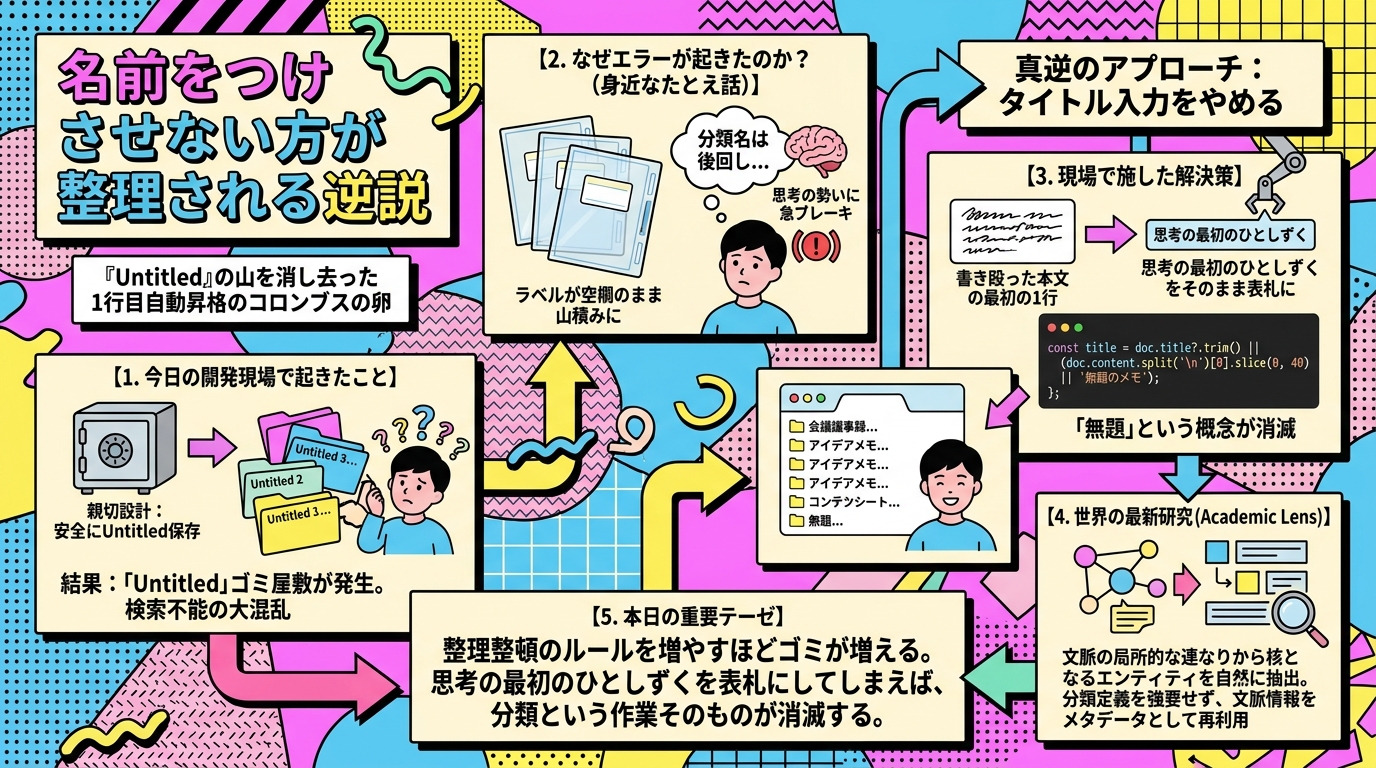
The Paradox of Order: Why Not Asking for Titles Actually Cleans the Clutter
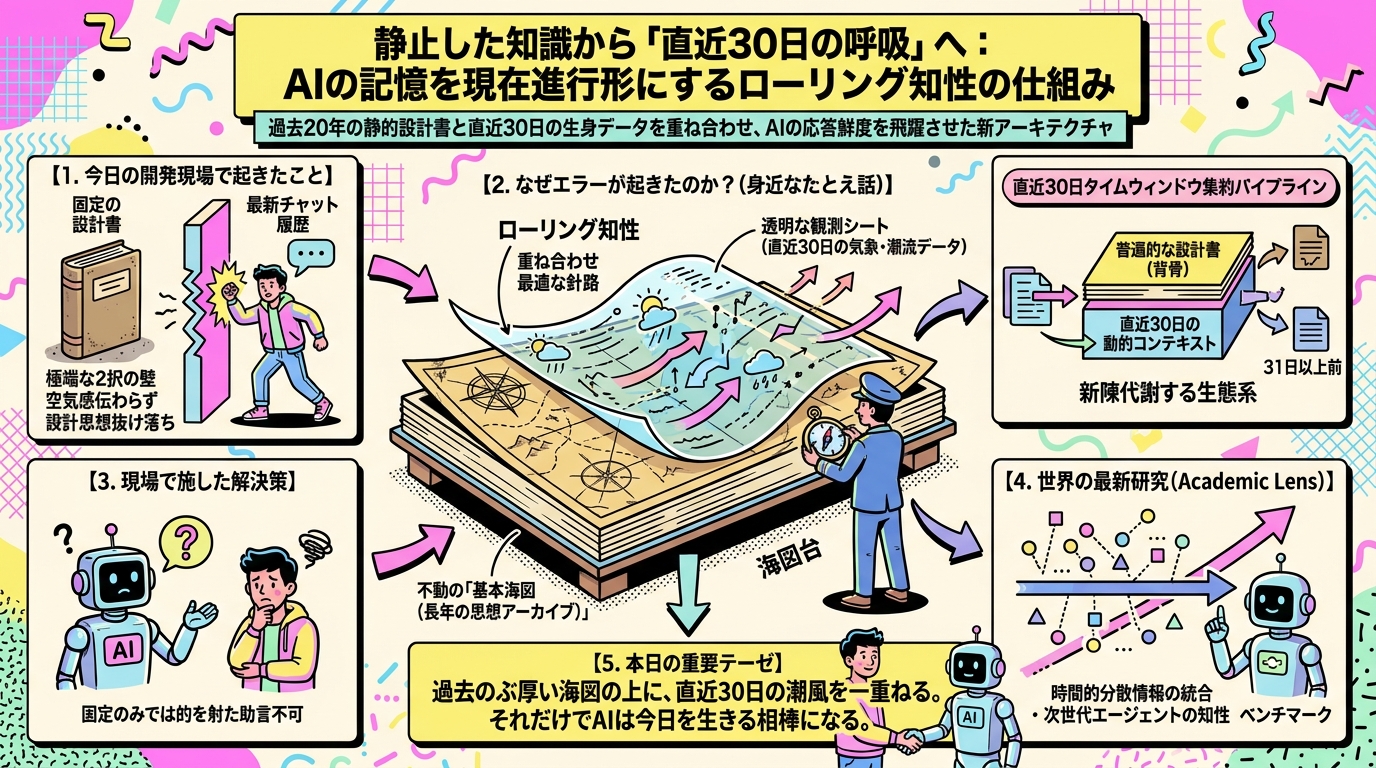
From Static Knowledge to the Pulse of the Last 30 Days: How Rolling Intelligence Keeps AI Memory in the Present Tense
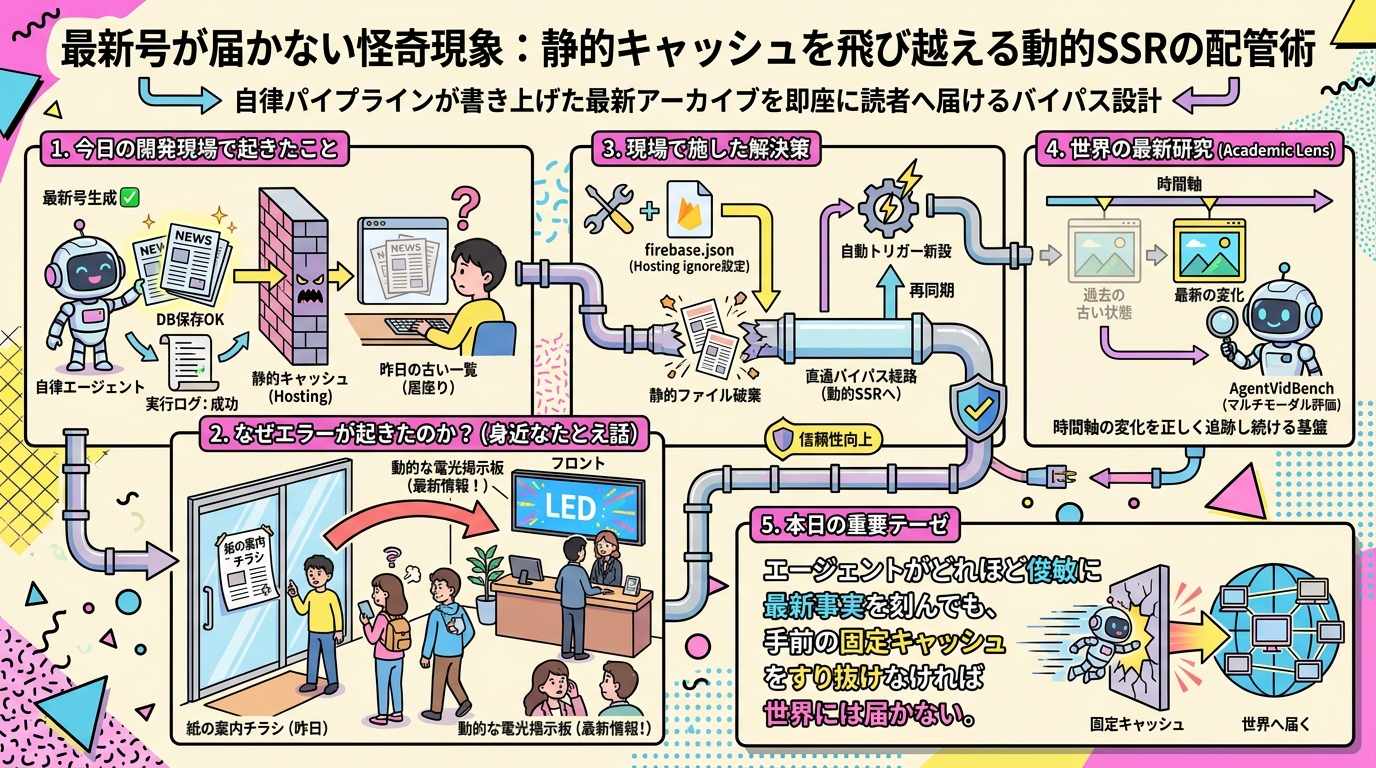
The Mystery of the Missing Issue: Plumbing Dynamic SSR to Bypass Static Cache
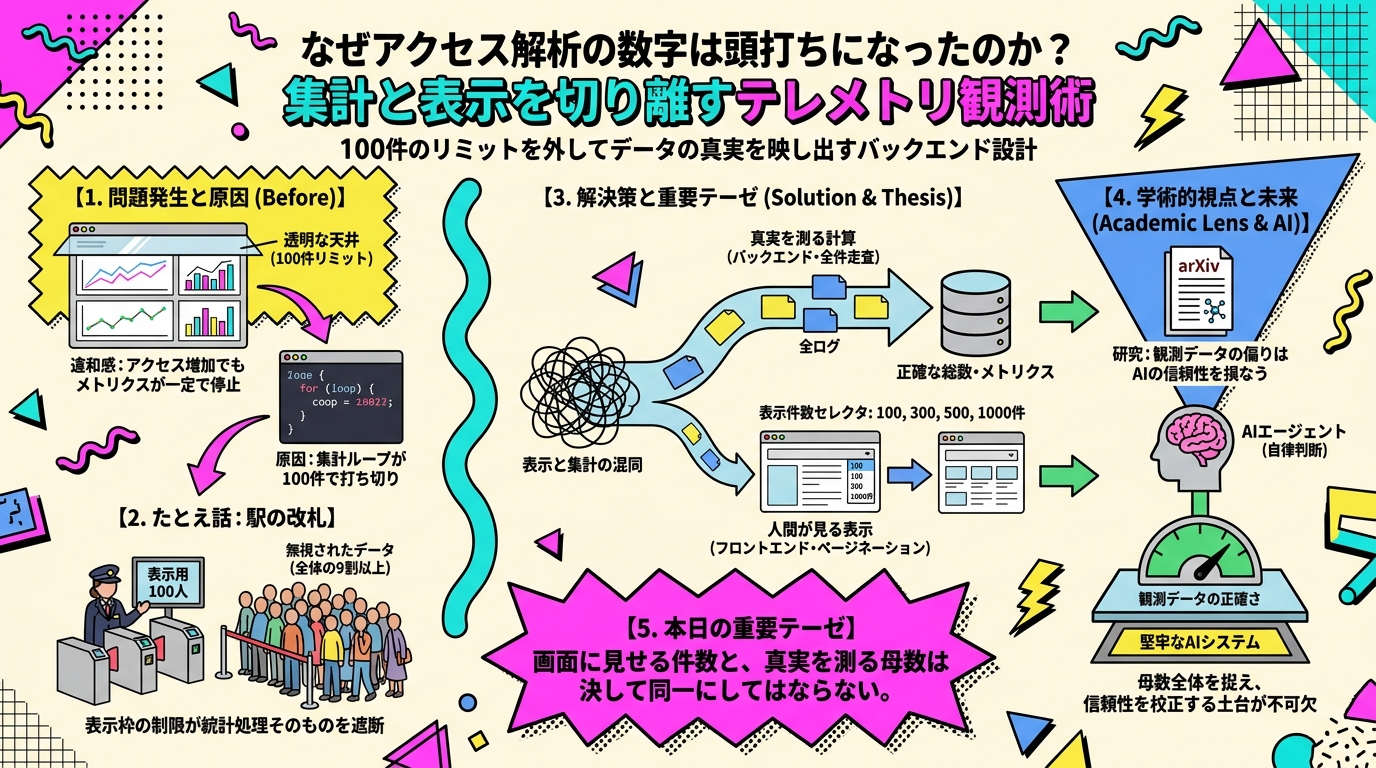
Why Did Access Analytics Hit an Artificial Ceiling? Telemetry Observability by Decoupling Aggregation from Display
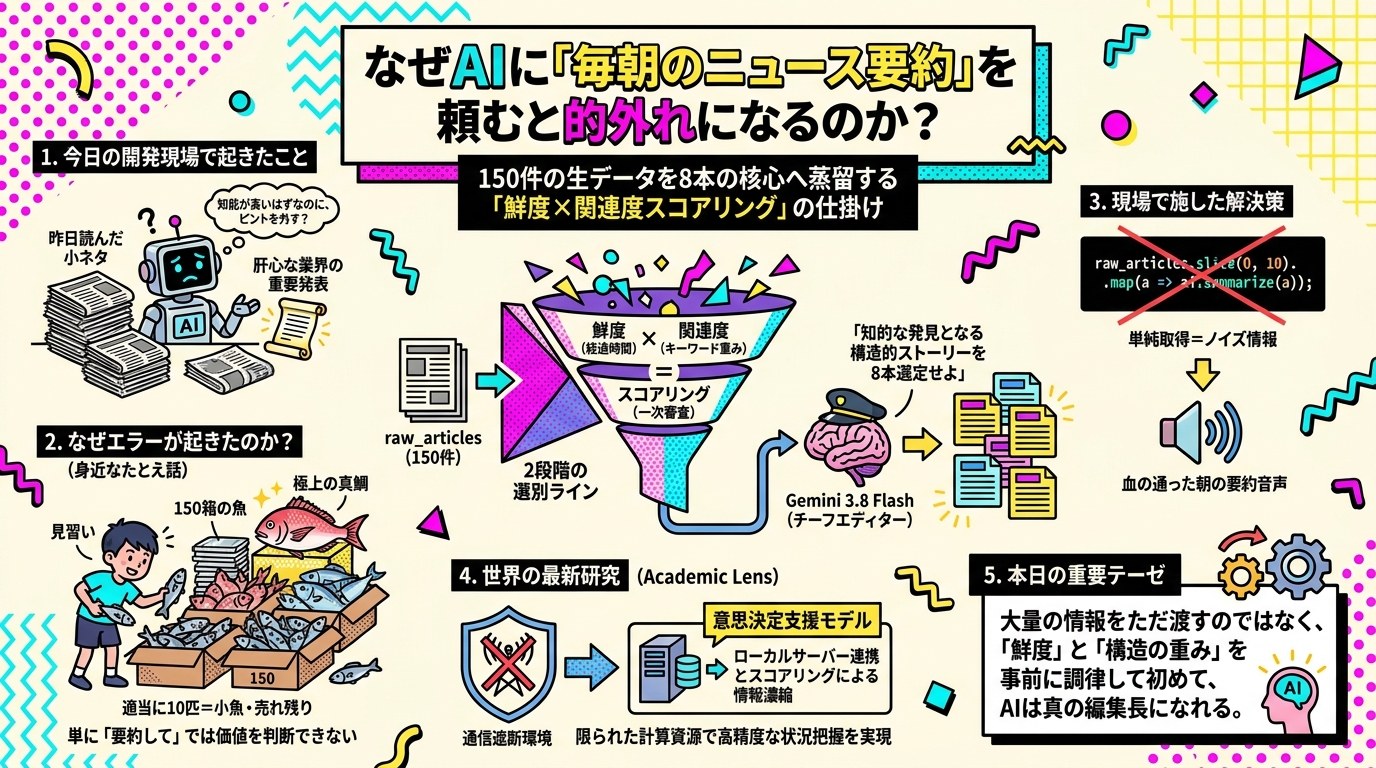
Why Asking AI to Summarize 'Morning News' Always Misses the Mark
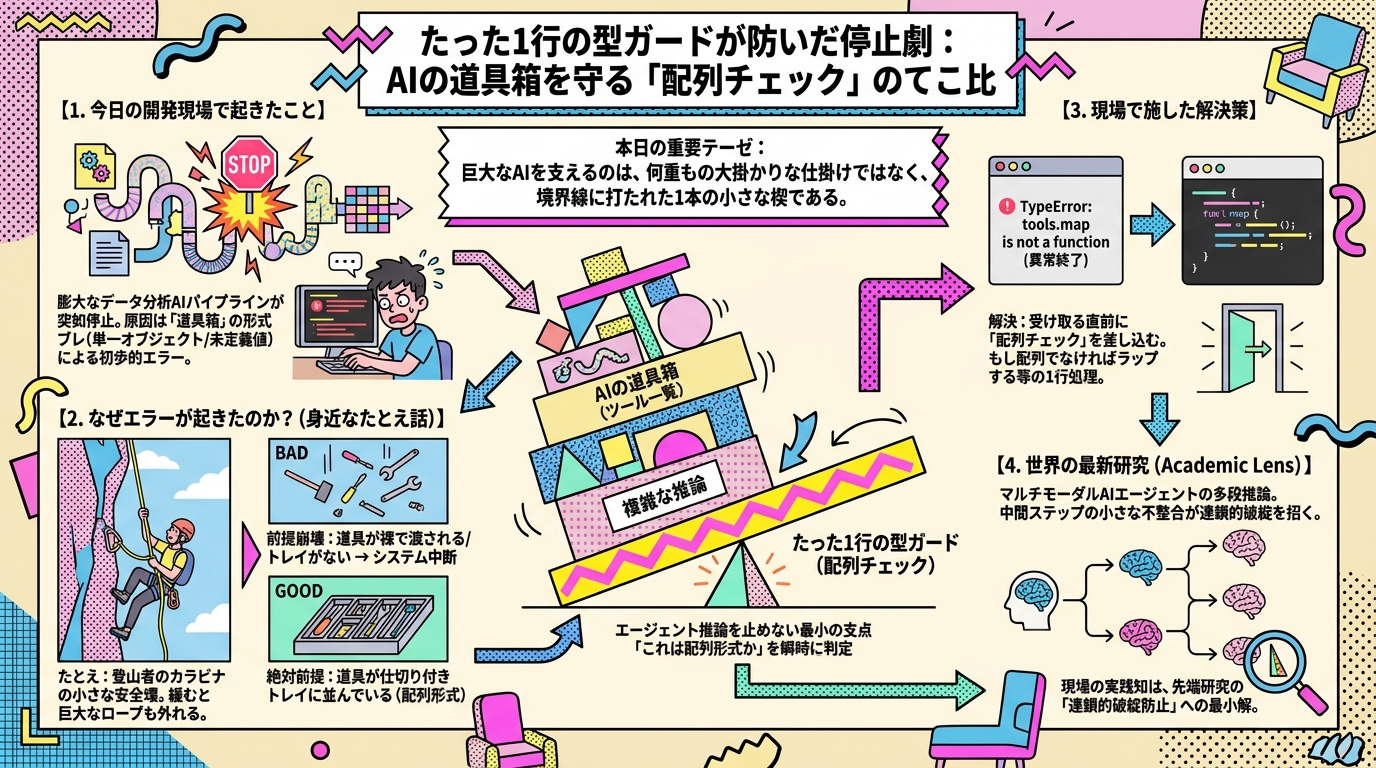
A Single-Line Type Guard That Prevented a Crash: The Leverage Ratio of 'Array Checks' in Protecting the AI's Toolbox