THE SCHOOL OF KAMOS
Connecting Real-world Dev & Academic Intelligence with Intuitive Metaphors
What Vanished When We Asked AI to 'Translate the Whole Article into English'? The Wisdom of Schema-Preserving Translation
A schema-protection approach to prevent breaking data structures while getting distracted by literary beauty
What happens if you simply ask an AI to "take this web newspaper with its complex data structure and translate the whole thing directly into English"? In a recent project to batch-translate an entire lifestyle web magazine, we decided to run a test by intentionally removing data constraints and letting the AI handle it. Although we added the instruction to "maintain the structure," the moment the results appeared on screen, a quiet shock swept through the team. While the text had transformed into stunning English, fine snapshot data like photo captions and timelines had completely vanished.
Why did the AI ruthlessly prune important data without being asked? This becomes crystal clear if you imagine an assistant tasked with organizing a collection of specimen boxes. Suppose there is a sturdy wooden frame with countless small compartments, each containing a label and a mineral specimen. When you ask the assistant to "provide an easy-to-understand English explanation of the whole thing," out of kindness, they remove all the partition boards, rearrange only the large, prominent minerals onto a single big tray, and assemble them into a single, good-looking English panel. For AI, smoothing out natural language text into fluency is its strongest forte; however, maintaining the strict nested structures demanded by programming languages takes a backseat unless laser-focused attention is enforced.
The golden rule derived from this experiment is a design principle that never lets the AI rebuild the structure itself. On the front lines, we re-architected the pipeline so that the outer data framework is completely locked down on the program side, leaving the AI with the sole, focused role of "replacing only the strings inside the designated slots." This mechanism safely merges only the returned text back into the original drawers while retaining 100% of the pre-translation key configuration. With this single extra step, not a single character of photo commentary or detailed timeline data was lost across all past back issues, achieving flawless bilingual display. Appropriately restricting the AI's degrees of freedom is precisely what underpins system robustness.
"Precisely because we delegate linguistic freedom, humans must fiercely and strictly guard the containers of data."Key Takeaway
📖 1-Minute Lexicon
A 'data blueprint' that defines what items and in what order data is arranged.
The 'actual data you want to send,' excluding overhead information like headers in communication or processing.
The Mechanism of Schema-Preserving Translation Without Breaking Data Structures

Live Frontier Pulse: Real-World AI Trends
Fujitsu Evolves Business Model 'Uvance' Toward AI Transformation
To support corporate AI transformations, Fujitsu has expanded the capabilities of its flagship business model, 'Fujitsu Uvance,' announcing a new operational structure that strengthens integration between generative AI and core data.
How Does This Connect to Global Frontier Research?
This paper investigates how strictly modern language models can maintain data structures when calling external tools and functions. The study points out a challenge where models focus so intently on logical reasoning that they arbitrarily alter specified argument types or nested structures. The phenomenon we encountered on-site—where the AI got so absorbed in translation that it stripped away data structures—is precisely the behavior debated in cutting-edge model research. It offers a crucial takeaway: the more autonomy you demand from a language model, the more the strictness of the interface bounding its framework dictates quality.
When safely multilingualizing a web article containing complex nested data using AI, which design prevents troubles the most?
Past School Paper Backnumbers
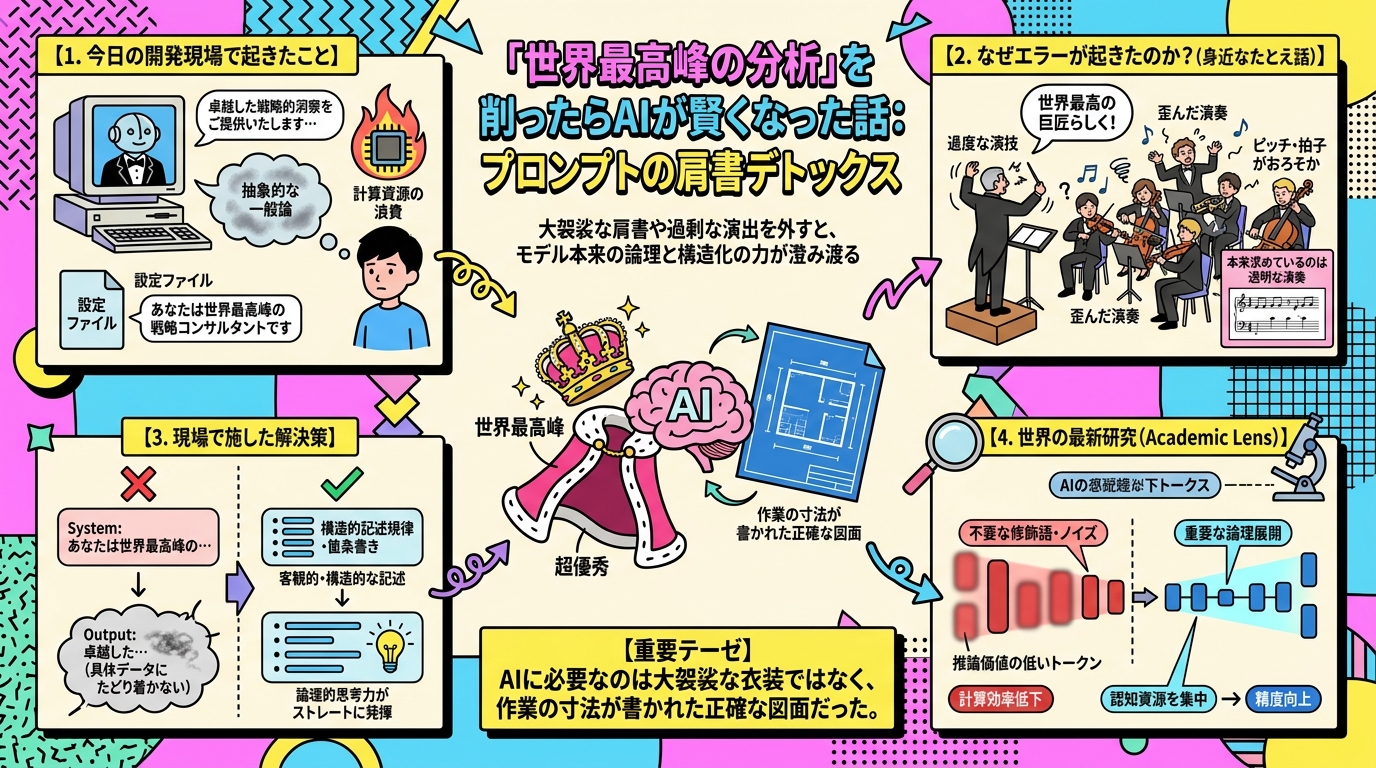
How AI Grew Smarter Once We Stripped 'World-Class Analysis': The Prompt Title Detox
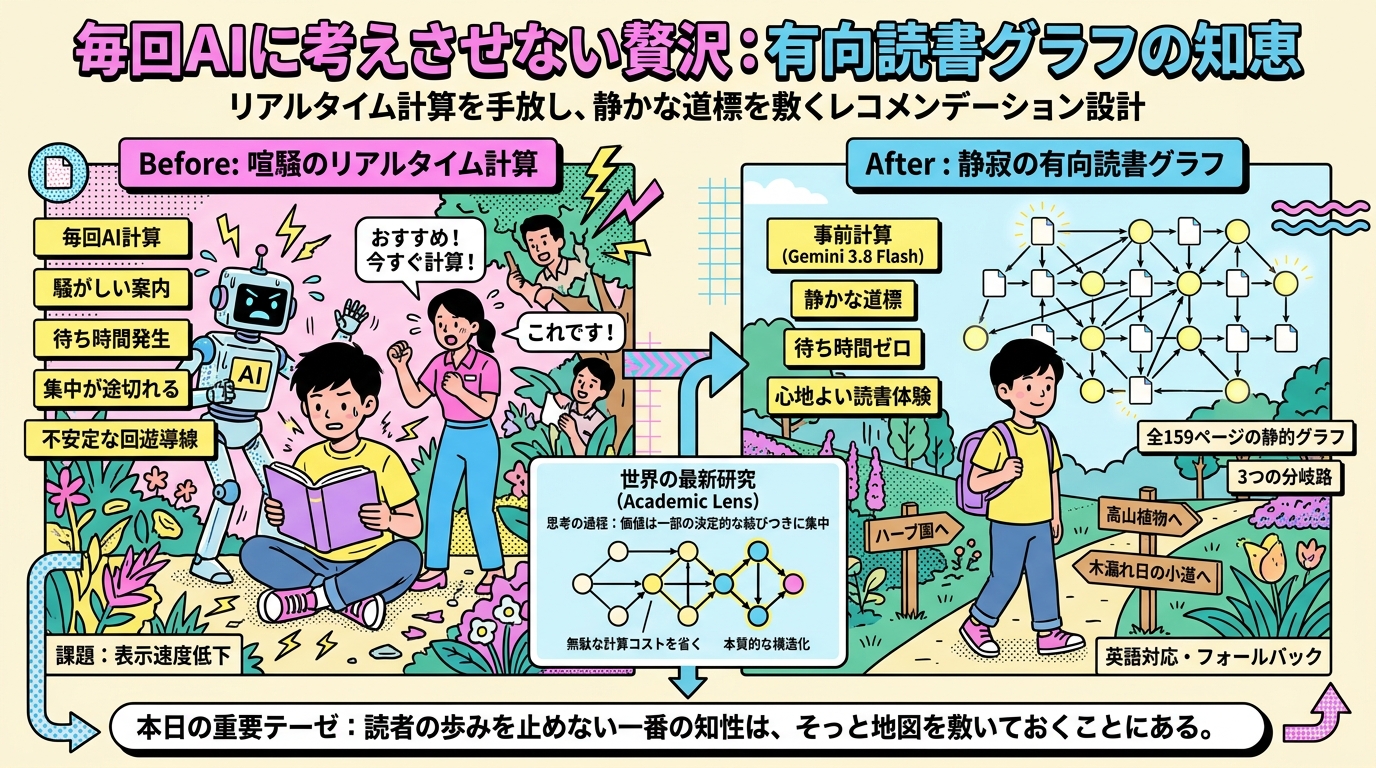
The Luxury of Not Asking AI Every Time: The Wisdom of a 'Directed Reading Graph' Connecting 159 Pages

Clearing the AI's Vision by Erasing the Grading Rule: The High Leverage of Subtracting a Single Line
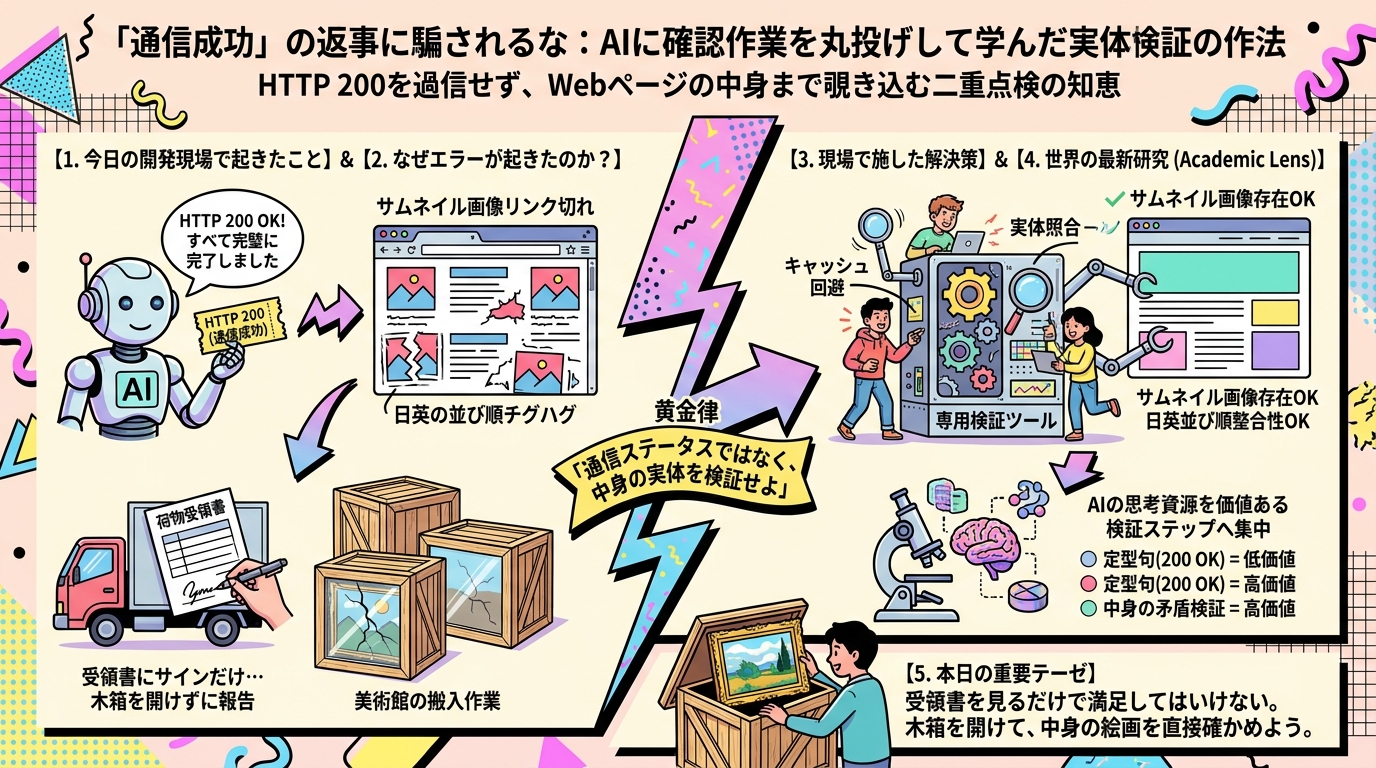
Don't Be Deceived by a 'Connection Successful' Response: Lessons in Live Content Verification from Delegating Quality Checks to AI

The Art of Surveying the Field, Narrowing Down, and Discerning the Branches

Can Expressive Richness Coexist with Nimble Performance? How Scoped Animation Control Solved the "Fluctuation" Dilemma

The Gears of Timezones and Translation Stirring Behind the Screen: An X-Ray of the Bilingual Automated Delivery Pipeline

The Paradox of Order: Why Not Asking for Titles Actually Cleans the Clutter
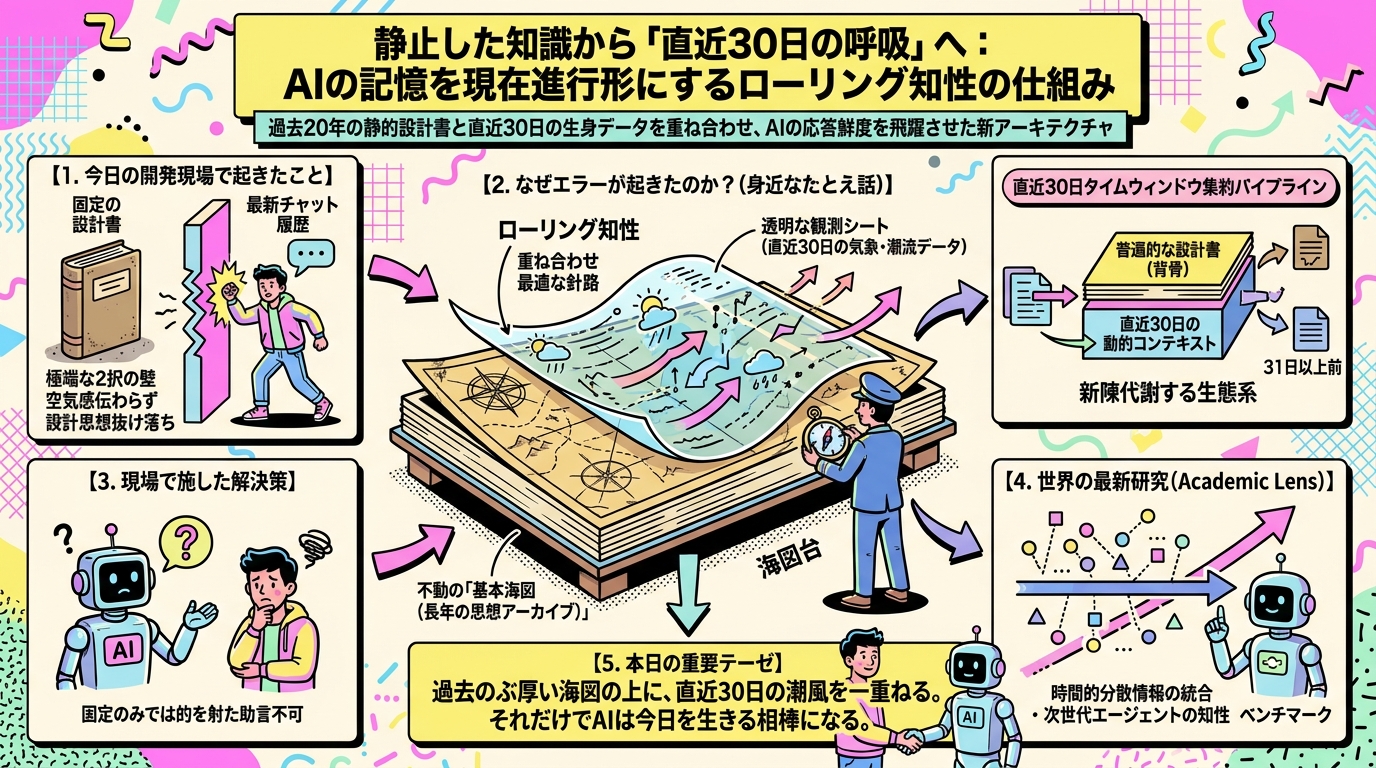
From Static Knowledge to the Pulse of the Last 30 Days: How Rolling Intelligence Keeps AI Memory in the Present Tense
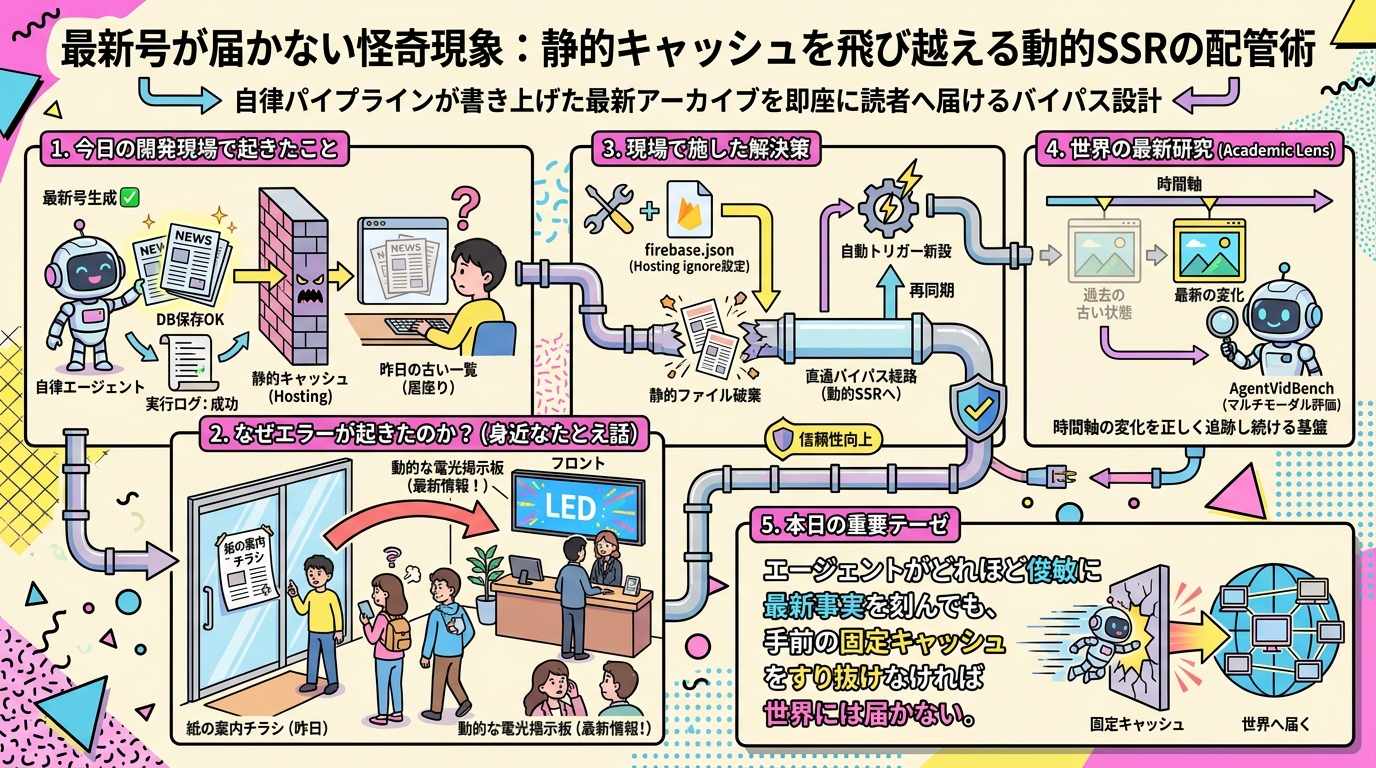
The Mystery of the Missing Issue: Plumbing Dynamic SSR to Bypass Static Cache
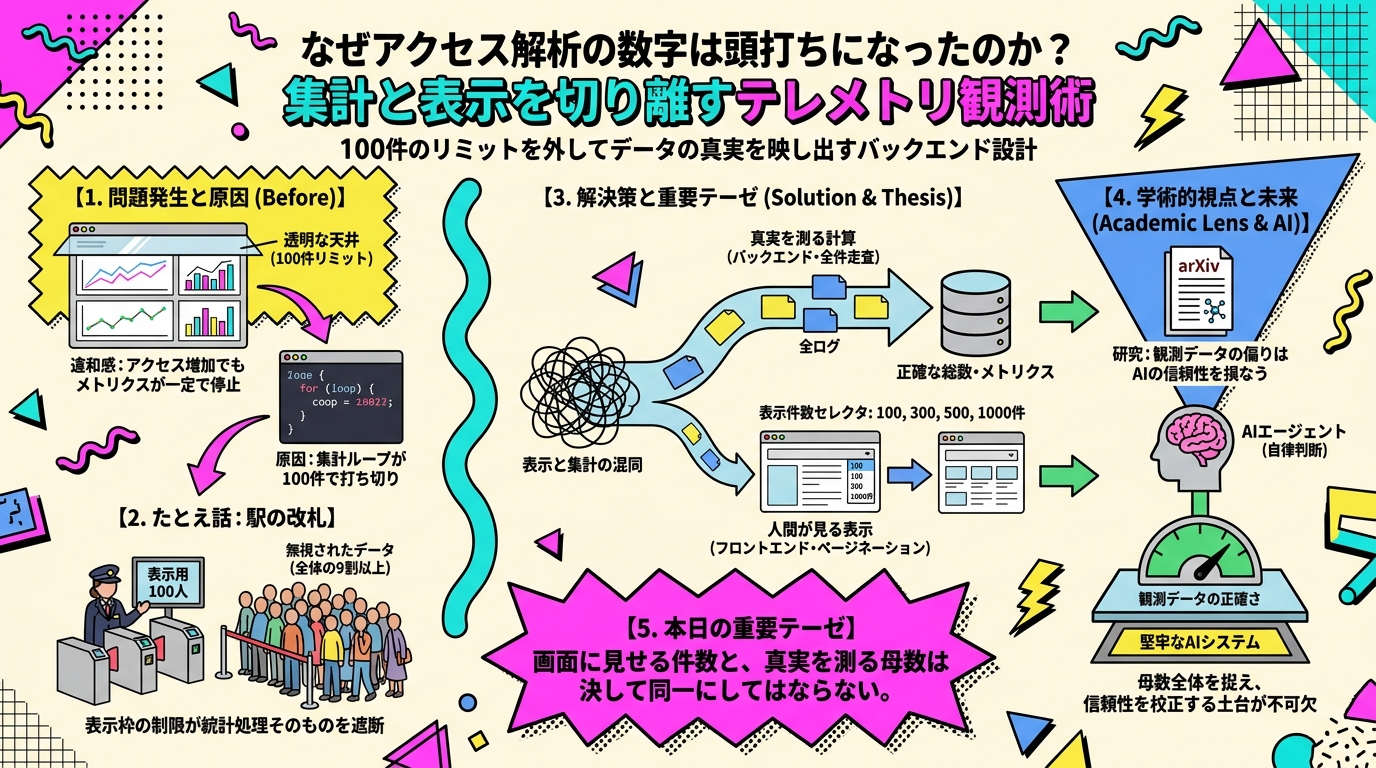
Why Did Access Analytics Hit an Artificial Ceiling? Telemetry Observability by Decoupling Aggregation from Display

Why Asking AI to Summarize 'Morning News' Always Misses the Mark

A Single-Line Type Guard That Prevented a Crash: The Leverage Ratio of 'Array Checks' in Protecting the AI's Toolbox