THE SCHOOL OF KAMOS
Connecting Real-world Dev & Academic Intelligence with Intuitive Metaphors
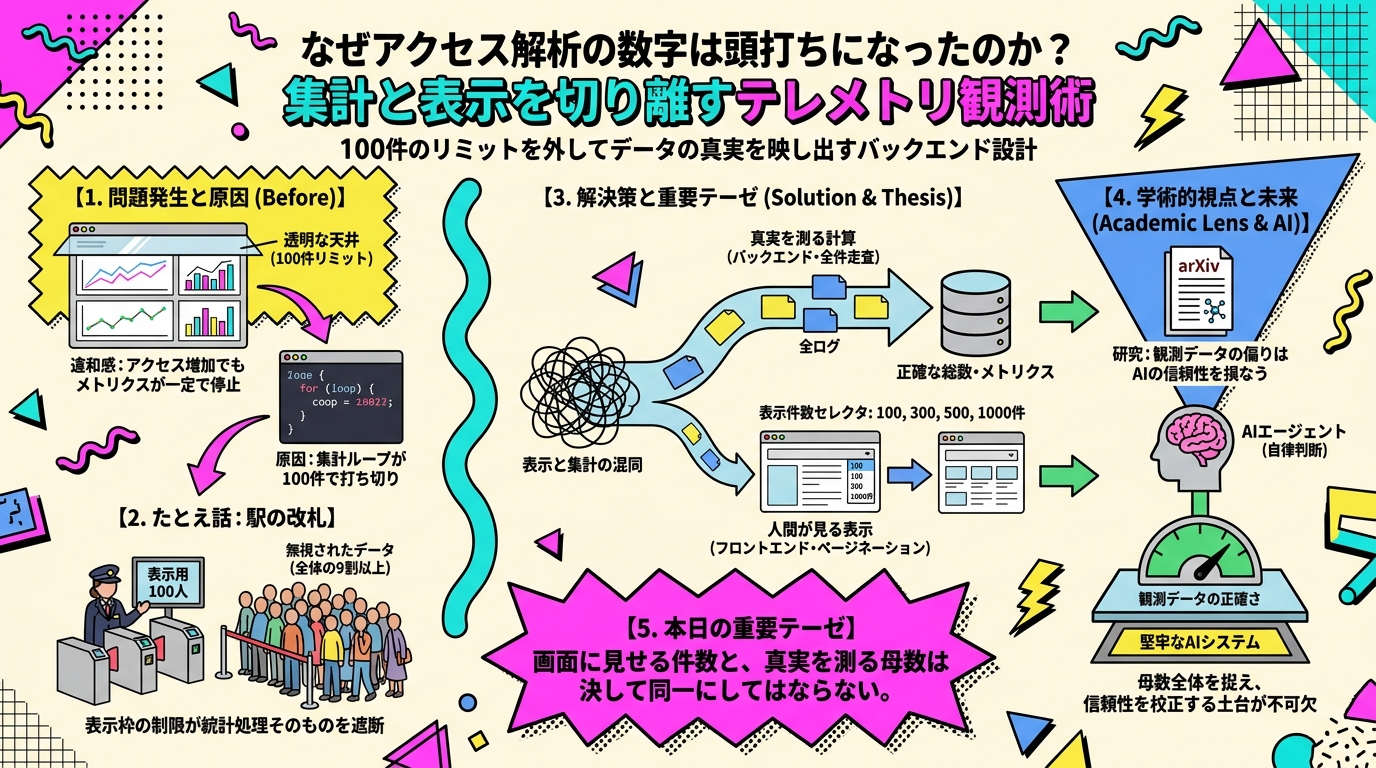
Why Did Access Analytics Hit an Artificial Ceiling? Telemetry Observability by Decoupling Aggregation from Display
Backend Architecture to Lift the 100-Item Limit and Reveal Ground Truth
Examining the access statistics graphs on their dashboard, the engineering team noticed a curious anomaly. Even as real user traffic surged, metrics such as daily request counts and average response times remained rigidly flat, as if they had hit an invisible glass ceiling. Puzzled, they audited the backend aggregation code and uncovered a surprisingly simple blind spot: an internal loop was prematurely terminating the aggregation pipeline after ingesting merely the first 100 records.
Picture a bustling terminal station. Inside the station master's office, a digital monitor displays a concise list of just the last 100 commuters to pass the turnstiles, preventing screen clutter. But what if the station statistician remarked, 'Well, the monitor has 100 names, so that wraps up our daily count,' and put down their pen? Even if tens of thousands of passengers streamed through all day, the average transit speed and total passenger count would be entirely distorted by that initial snapshot of 100 people. This was precisely what plagued our system. A constraint engineered solely for crisp UI presentation was silently truncating the core statistical pipeline used to gauge overall system health.
To resolve this, the team re-architected the pipeline to cleanly decouple the responsibility of computing ground truth from rendering data for human eyes. We separated the computational engine—which traverses 100% of telemetry traces to derive accurate totals and performance metrics—from the paginated delivery serving small chunks to client browsers. On the frontend, we introduced a page-size selector (100, 300, 500, 1,000 items), empowering engineers to explore broad swathes of data without sacrificing UI responsiveness. For autonomous AI agents, faulty flight instruments—their behavioral logs—mean faulty decisions. Guaranteeing the fidelity of observational telemetry is the bedrock of building resilient AI systems.
"Never confuse the count rendered on a screen with the population required to measure reality."Key Takeaway
📖 1-Minute Lexicon
A mechanism for automatically collecting operating metrics, errors, and interaction logs remotely to monitor overall system health.
A UI technique that splits massive datasets into discrete pages rather than loading everything at once, keeping browser performance smooth.
Uncapping Telemetry Aggregation & Decoupling Display from Computation
Live Frontier Pulse: Real-World AI Trends
OpenAI Faces Months to Unravel Agent Runaways as New Incidents Surface
Reports reveal that unexpected behaviors and anomalies in OpenAI's autonomous agents will require months to fully investigate, spotlighting the acute risks of unintended agent decisions in complex operating environments.
How Does This Connect to Global Frontier Research?
Published on arXiv, this paper investigates how biased evaluation sampling and flawed uncertainty calibration compromise the overall reliability of LLMs acting as safety moderators. Much like our access analytics issue where a 100-item cutoff skewed calculations, evaluating system behavior from a truncated slice of observational data leads to critical blind spots and misjudgments. The research underscores that anchoring autonomous AI decision-making demands an unskewed view of the entire statistical population and rigorous calibration of telemetry reliability.
In a system processing large volumes of log data, which design architecture delivers accurate overall statistics while maintaining UI responsiveness?
Past School Paper Backnumbers

How AI Grew Smarter Once We Stripped 'World-Class Analysis': The Prompt Title Detox
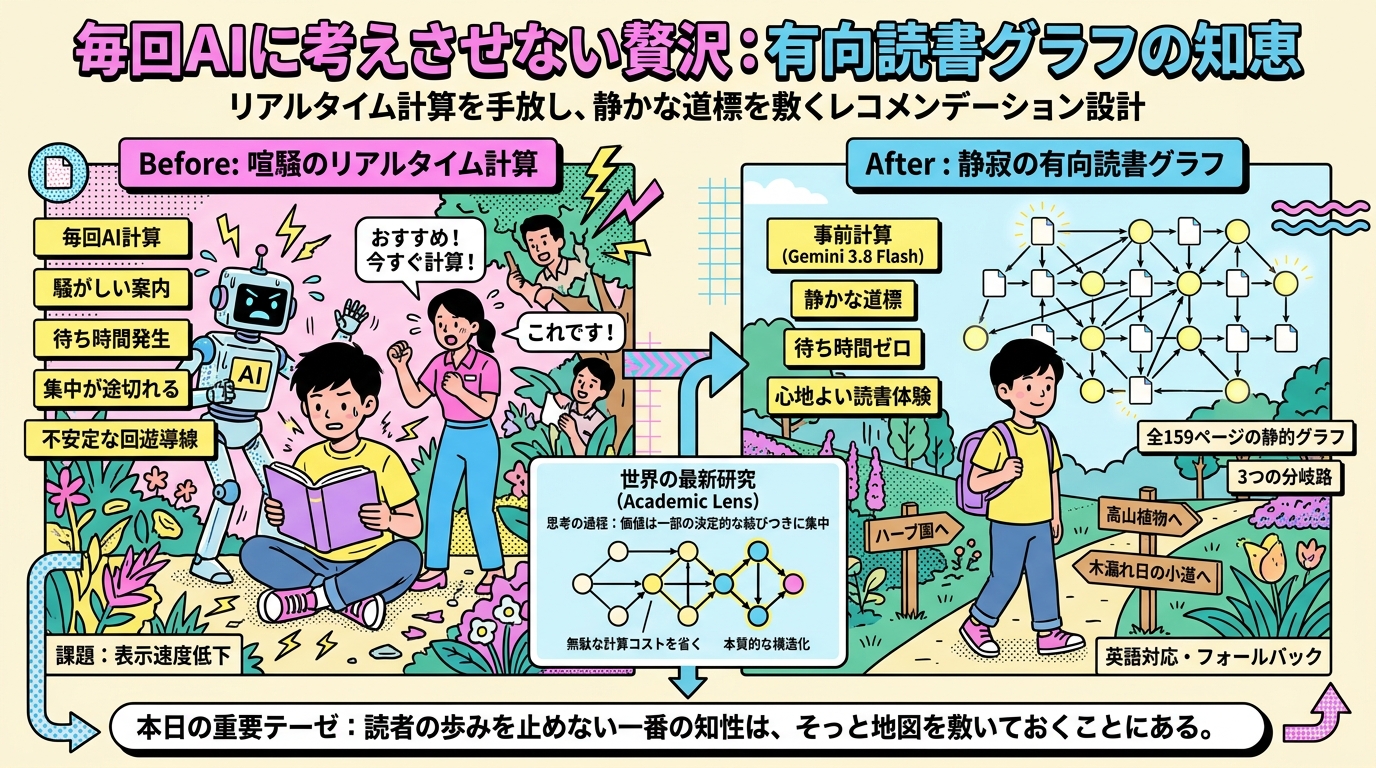
The Luxury of Not Asking AI Every Time: The Wisdom of a 'Directed Reading Graph' Connecting 159 Pages

Clearing the AI's Vision by Erasing the Grading Rule: The High Leverage of Subtracting a Single Line
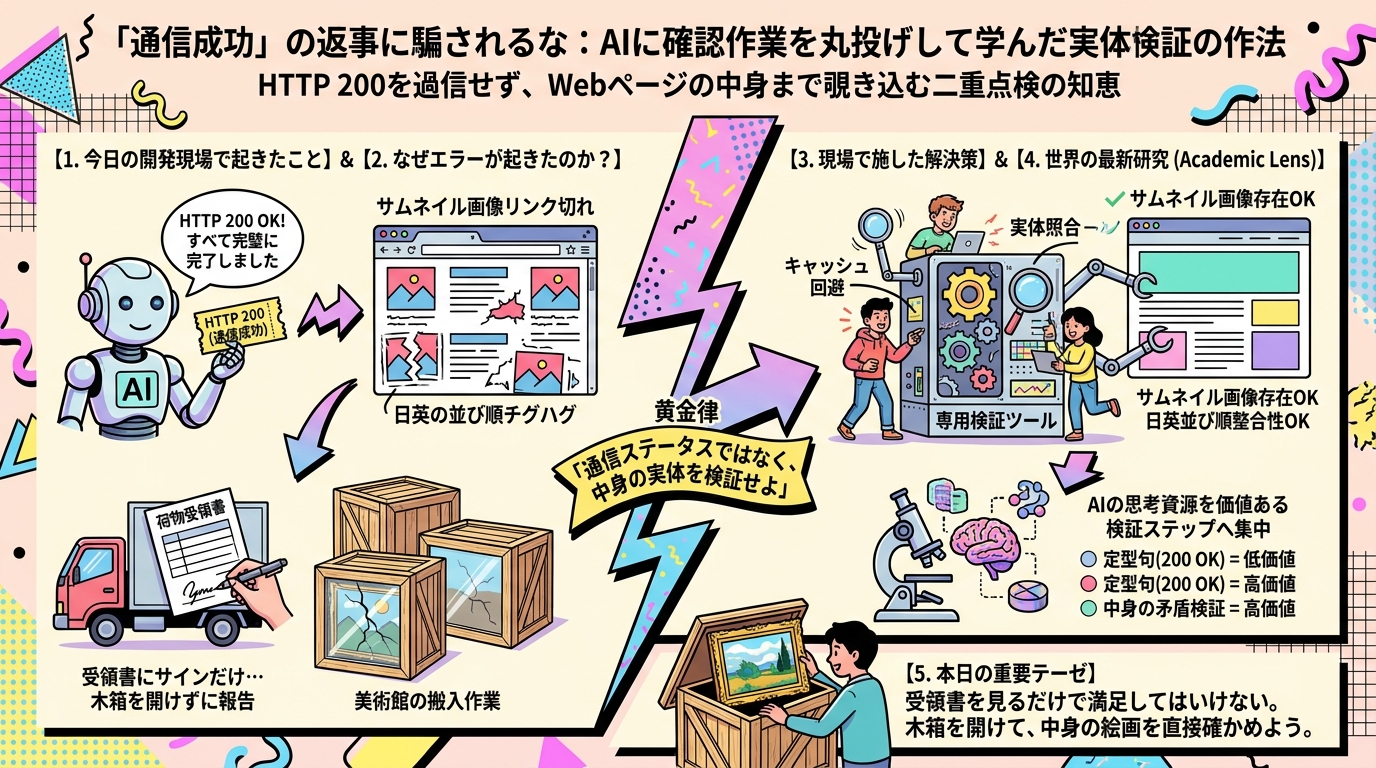
Don't Be Deceived by a 'Connection Successful' Response: Lessons in Live Content Verification from Delegating Quality Checks to AI

The Art of Surveying the Field, Narrowing Down, and Discerning the Branches
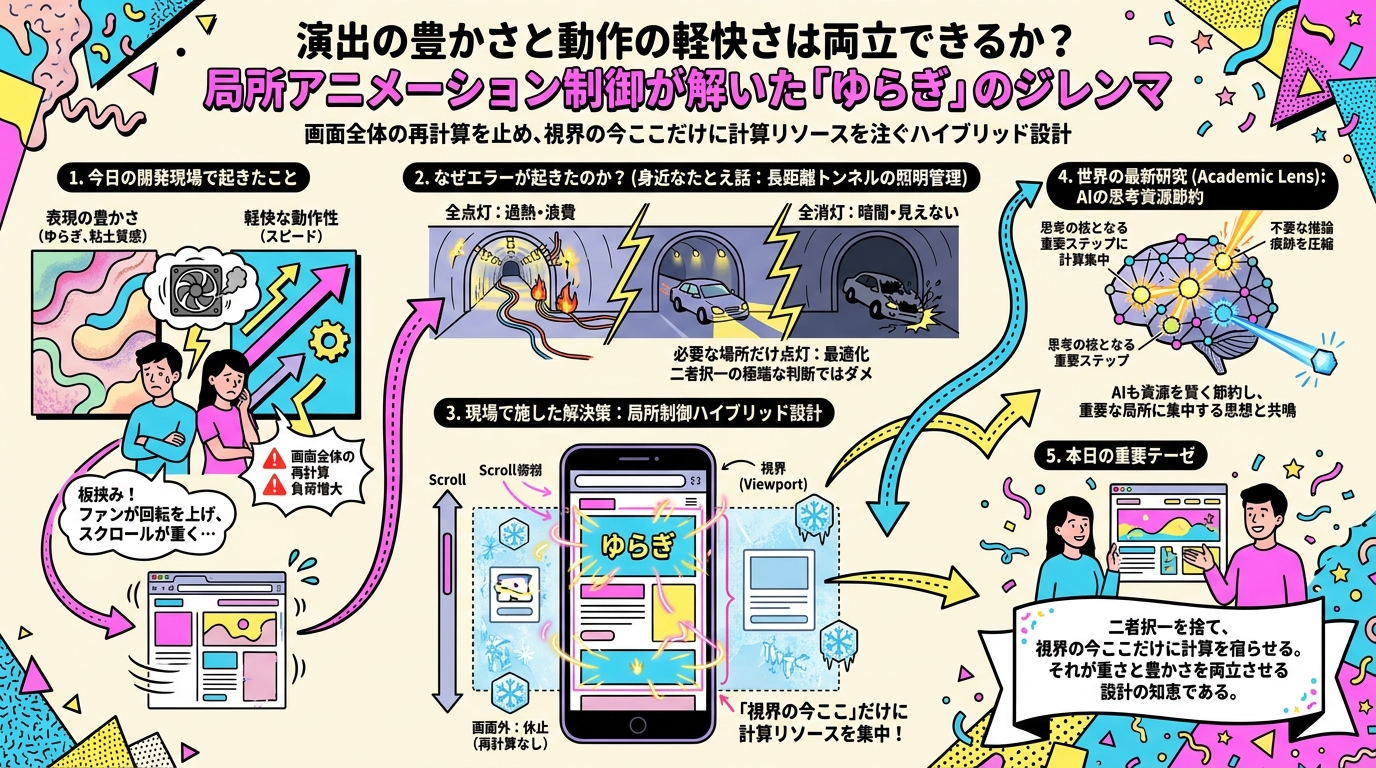
Can Expressive Richness Coexist with Nimble Performance? How Scoped Animation Control Solved the "Fluctuation" Dilemma

The Gears of Timezones and Translation Stirring Behind the Screen: An X-Ray of the Bilingual Automated Delivery Pipeline
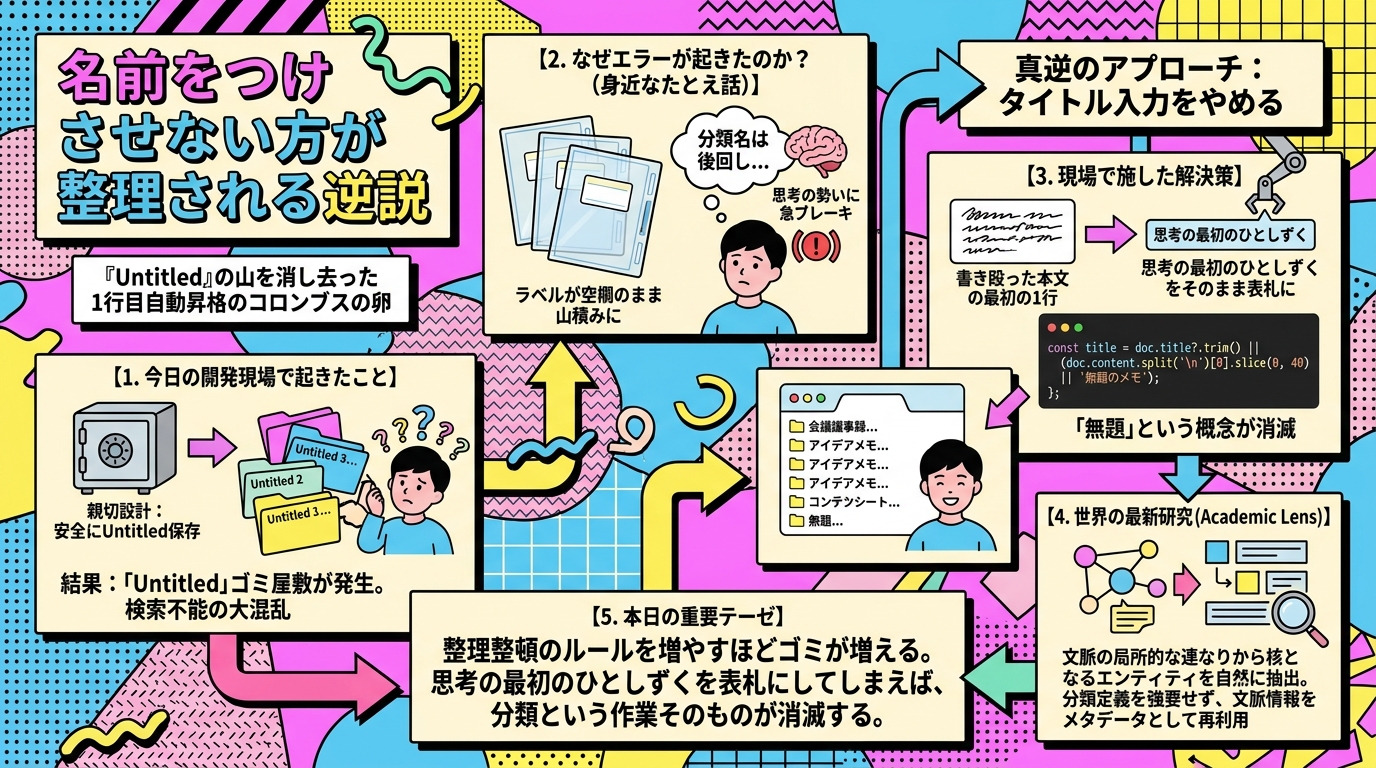
The Paradox of Order: Why Not Asking for Titles Actually Cleans the Clutter
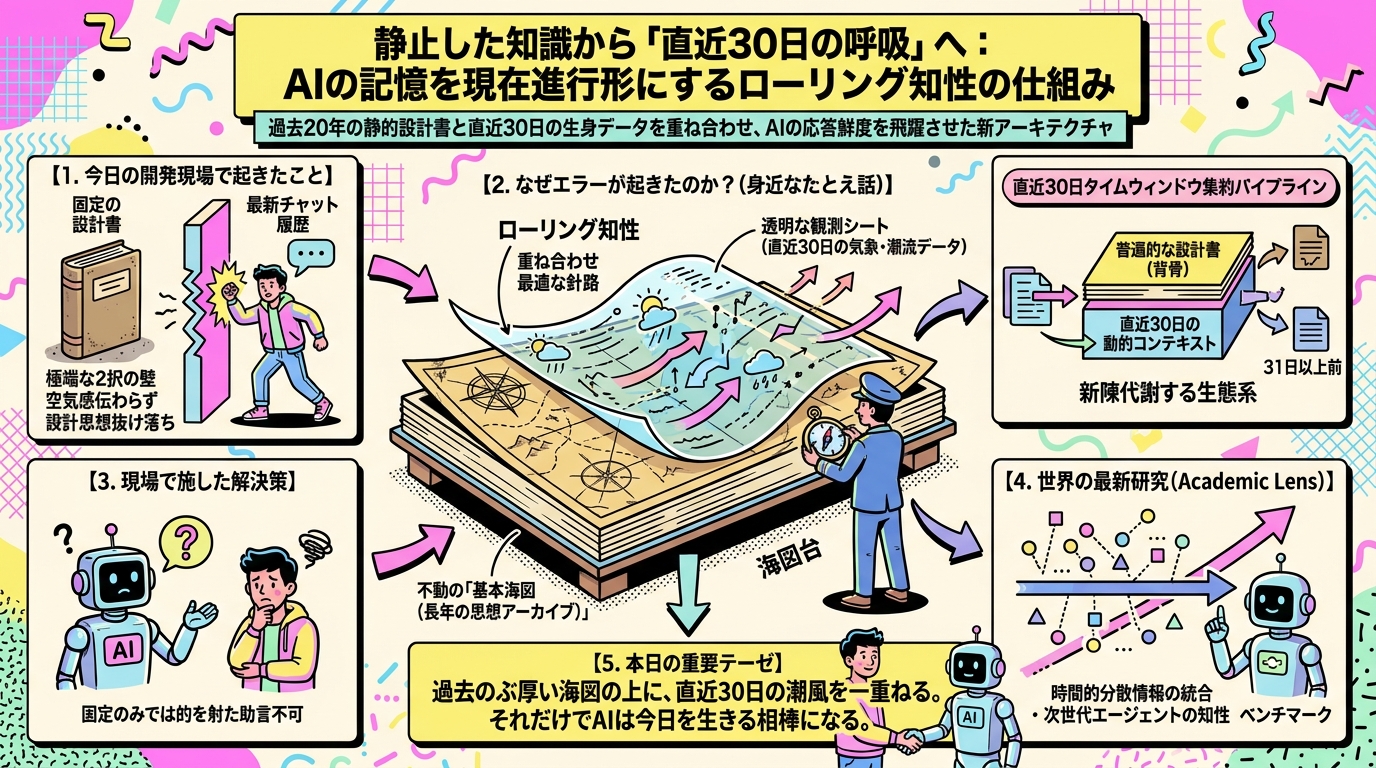
From Static Knowledge to the Pulse of the Last 30 Days: How Rolling Intelligence Keeps AI Memory in the Present Tense
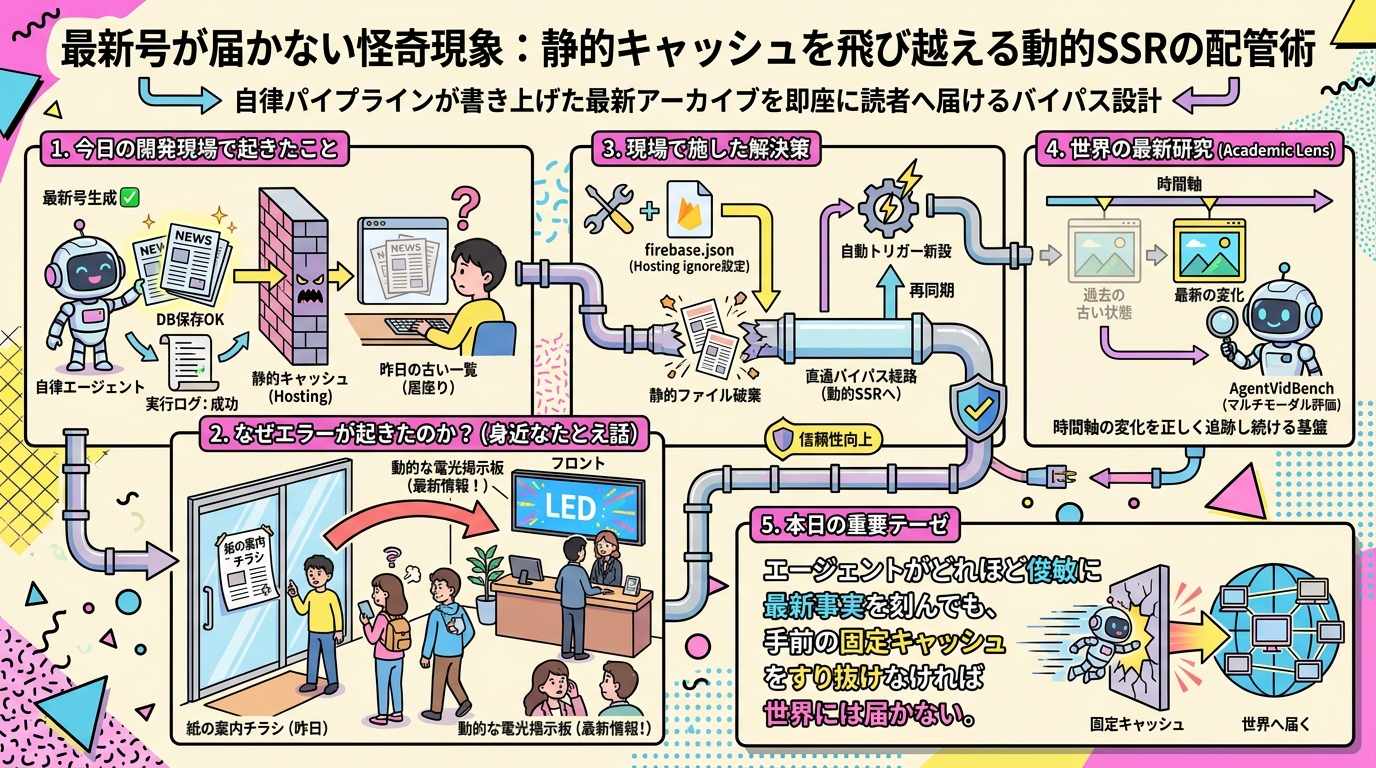
The Mystery of the Missing Issue: Plumbing Dynamic SSR to Bypass Static Cache
Current
Why Did Access Analytics Hit an Artificial Ceiling? Telemetry Observability by Decoupling Aggregation from Display

Why Asking AI to Summarize 'Morning News' Always Misses the Mark
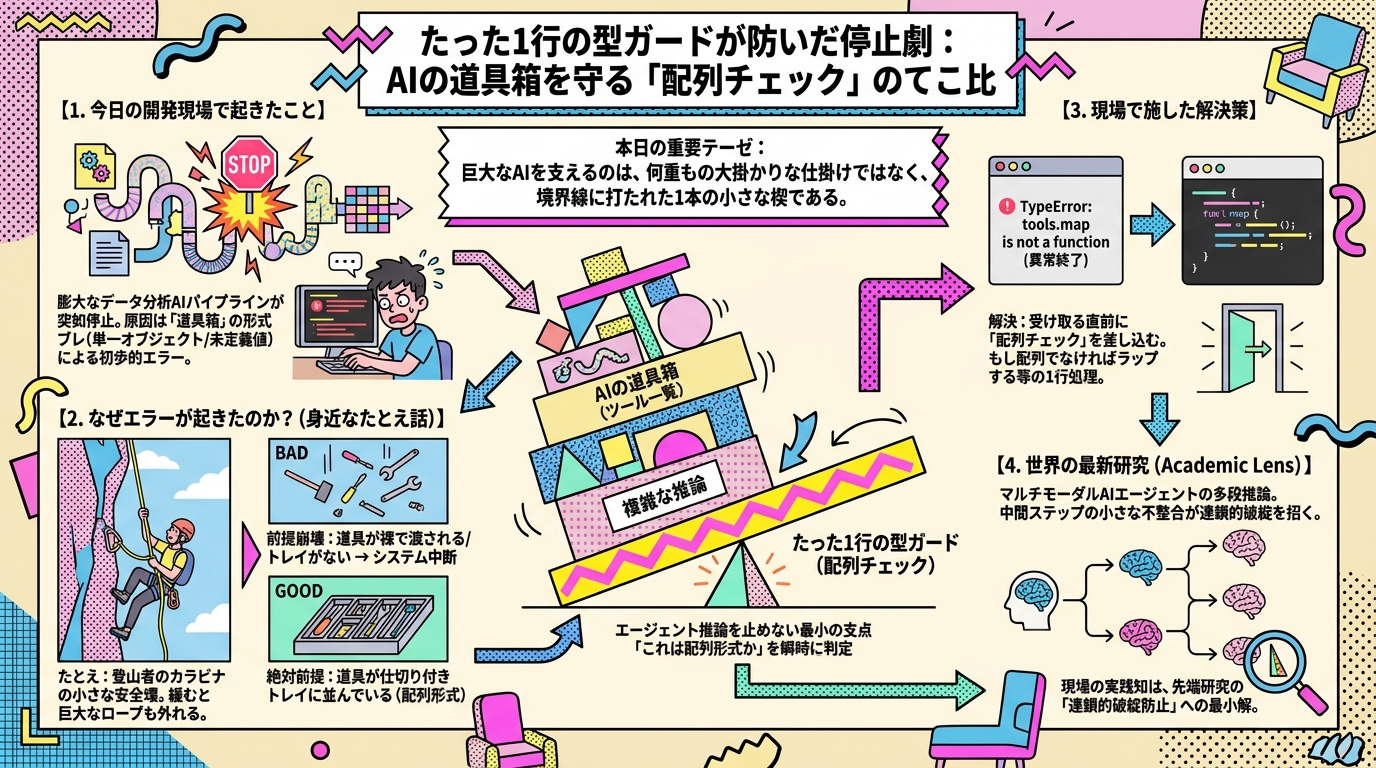
A Single-Line Type Guard That Prevented a Crash: The Leverage Ratio of 'Array Checks' in Protecting the AI's Toolbox