THE SCHOOL OF KAMOS
Connecting Real-world Dev & Academic Intelligence with Intuitive Metaphors
The Gears of Timezones and Translation Stirring Behind the Screen: An X-Ray of the Bilingual Automated Delivery Pipeline
Structural Decomposition and UTC Synchronization Inside the Server Milliseconds Before a Report Lands in Your Inbox
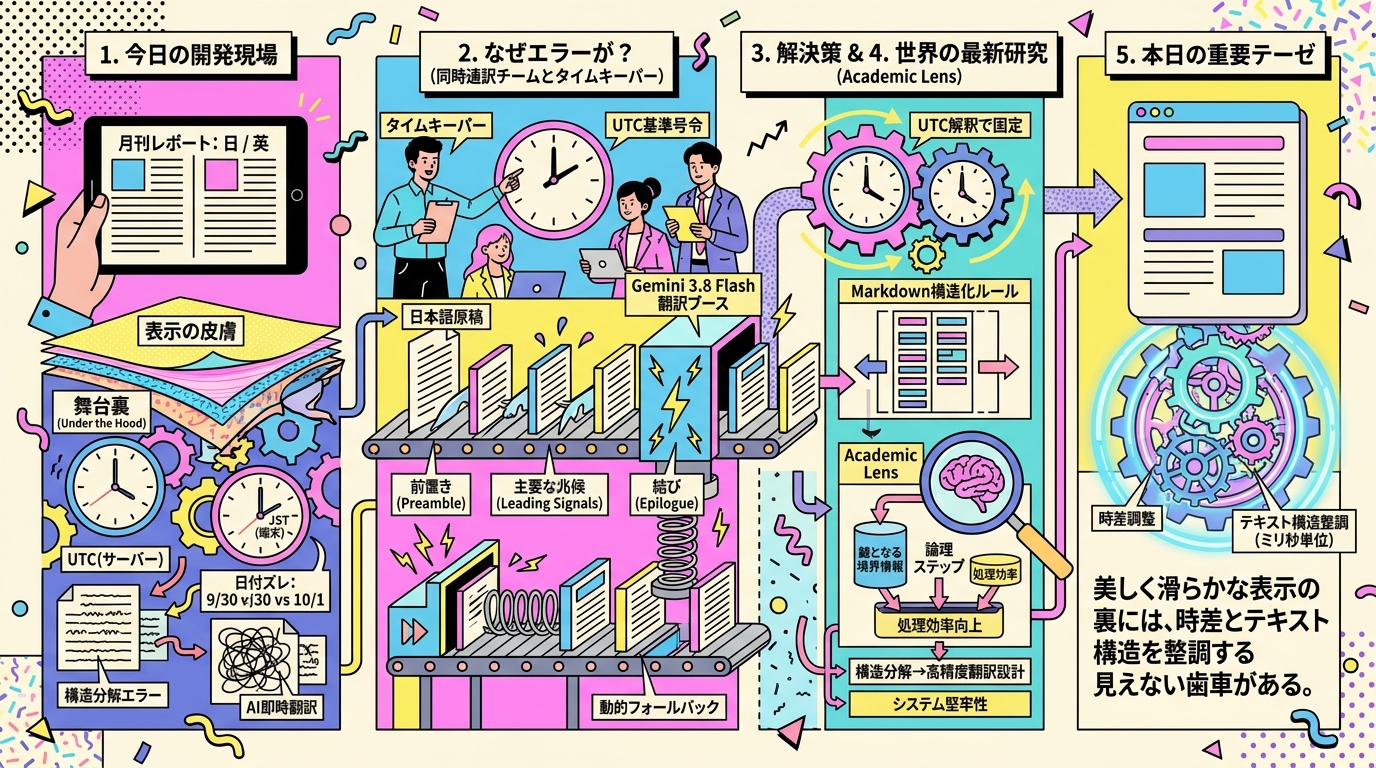
A monthly report arrives on your device, beautifully formatted in both Japanese and English. To the user, it appears as a simple, orderly presentation of text. Yet peel back the skin of this seamless display, and behind the scenes lies an exquisitely choreographed data relay—intertwining timezone mismatches between server and browser, the structural decomposition of headings and body text, and instantaneous translation powered by AI.
This behind-the-scenes drama closely mirrors a simultaneous interpretation team and a timekeeper working in an international summit green room. When the timekeeper signals in reference to Coordinated Universal Time (UTC), the Japanese draft is briskly deconstructed—not treated as flat prose, but partitioned into role-specific blocks such as the Preamble, Leading Signals, and Epilogue. Each decomposed block is dispatched in milliseconds to the Gemini 3.8 Flash translation booth, faithfully rendered into English while preserving context. Even if a heading goes missing, a dynamic fallback mechanism instantly injects a surrogate title, leaving no empty space on the serving tray.
What we confronted on the front lines was a date-rollback anomaly born from the subtle gap between the server's UTC and local JST. An issue destined as the October 1st edition was misattributed by device-side timezone calculations to September 30th. To rectify this invisible distortion, we anchored the baseline of date calculations strictly to UTC interpretation and engineered robust extraction rules to clearly distinguish each Markdown section. Though it appears on the surface as a quiet, solitary email, dependable automated delivery only functions when an uncompromising temporal baseline and meticulous data structures mesh in perfect unison.
"Behind a beautifully seamless display turn invisible gears, calibrating timezones and text structures down to the millisecond."Key Takeaway
📖 1-Minute Lexicon
The process of accurately interpreting dates against a universal global standard, unaffected by client-side regional device settings.
A mechanism that instantaneously substitutes a safe alternative when expected data is missing, preventing pipeline halts.
Structural Decomposition and Timezone Synchronization in Bilingual Pipelines
Live Frontier Pulse: Real-World AI Trends
OpenAI Approaches $70B in Annualized Revenue Driven by Robust Enterprise Demand: Sources
OpenAI is nearing an annualized revenue run rate of approximately $70 billion, with revenue driven primarily by the rapid enterprise adoption of its AI services.
How Does This Connect to Global Frontier Research?
When an AI reasons or translates, not every generated word (token) carries equal weight. This paper reveals a marked skew in token importance across reasoning processes, demonstrating that processing efficiency can be dramatically enhanced by precisely capturing key boundary data and pivotal logical steps. Our engineering practice—deconstructing a document into functional components rather than feeding it whole, thereby driving high-precision translation—resonates deeply with this modern theoretical approach of leveraging token value variance to unlock system robustness.
Which engineering design best prevents 'one-day date offset' bugs between servers and user environments in web apps and automated email delivery?
Past School Paper Backnumbers
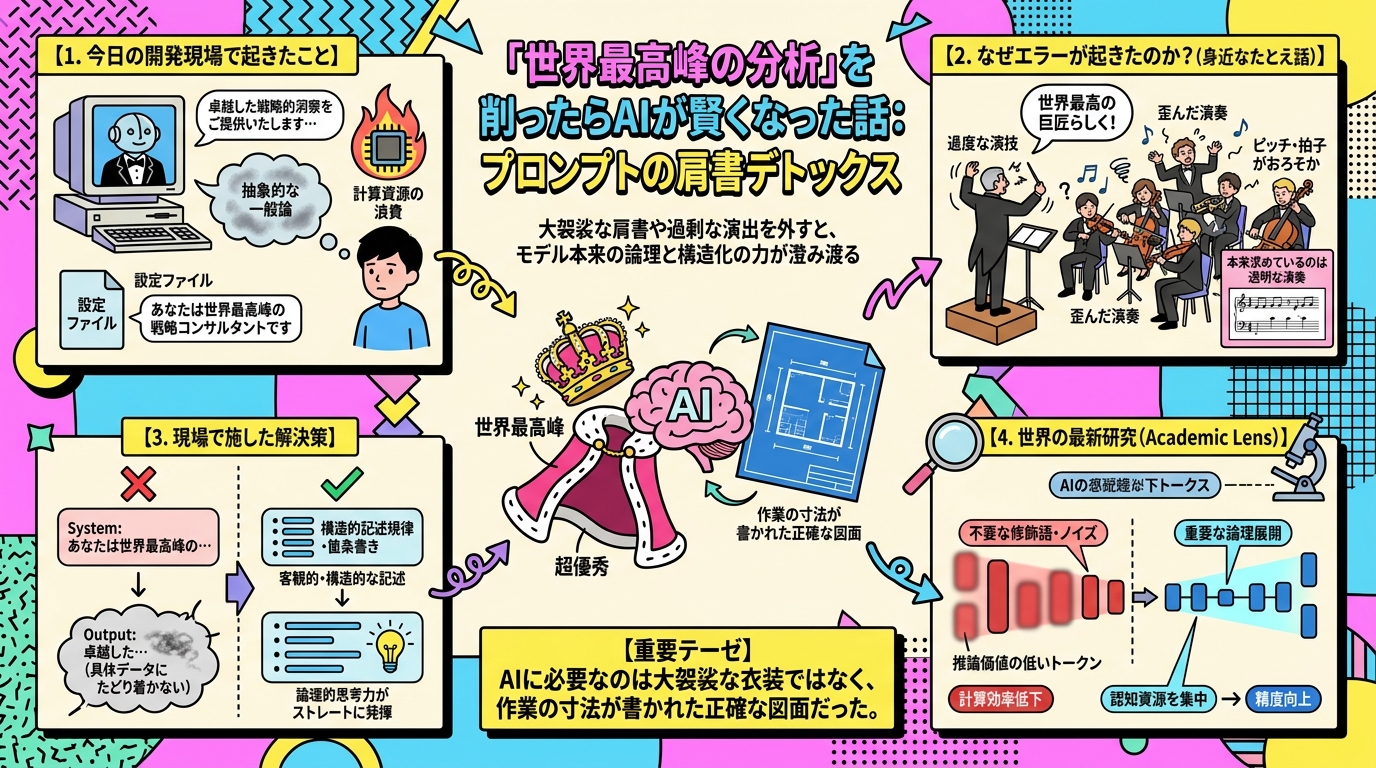
How AI Grew Smarter Once We Stripped 'World-Class Analysis': The Prompt Title Detox
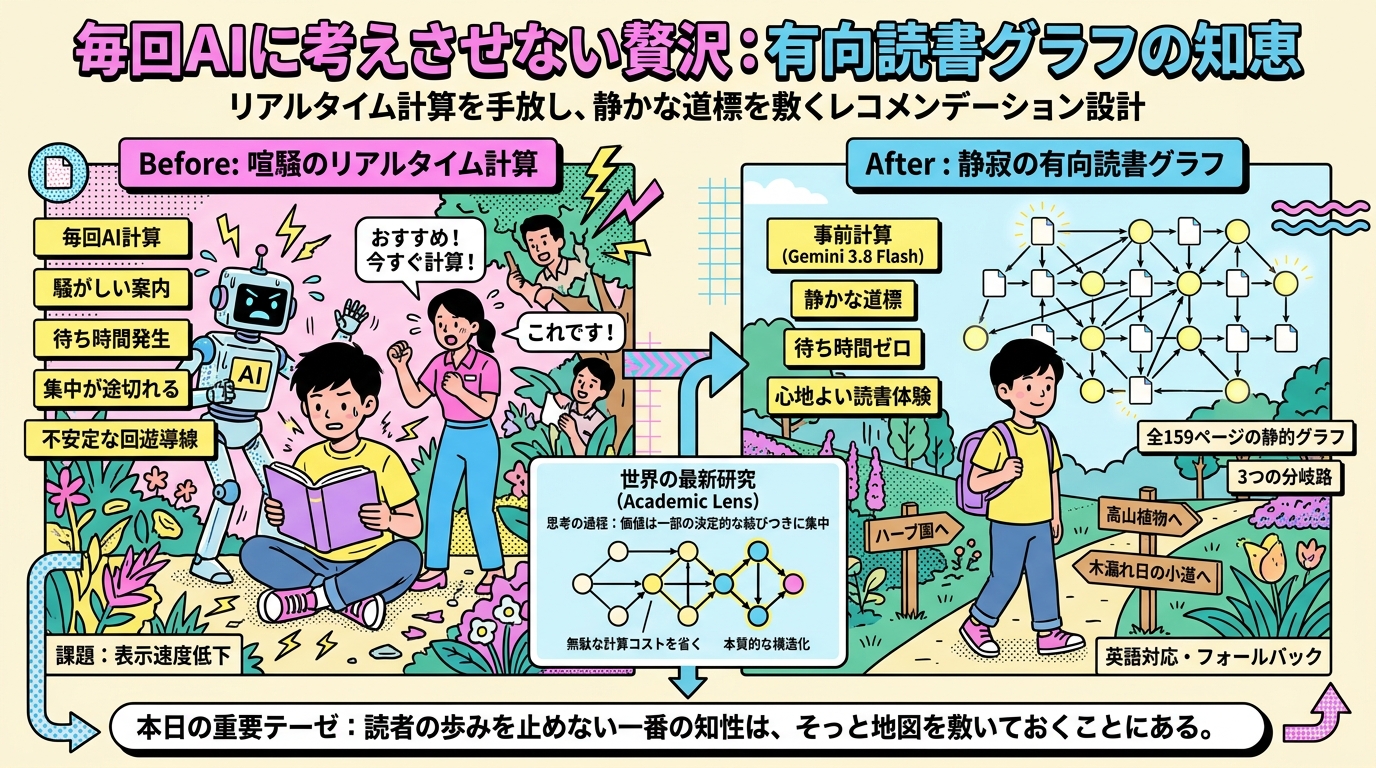
The Luxury of Not Asking AI Every Time: The Wisdom of a 'Directed Reading Graph' Connecting 159 Pages

Clearing the AI's Vision by Erasing the Grading Rule: The High Leverage of Subtracting a Single Line
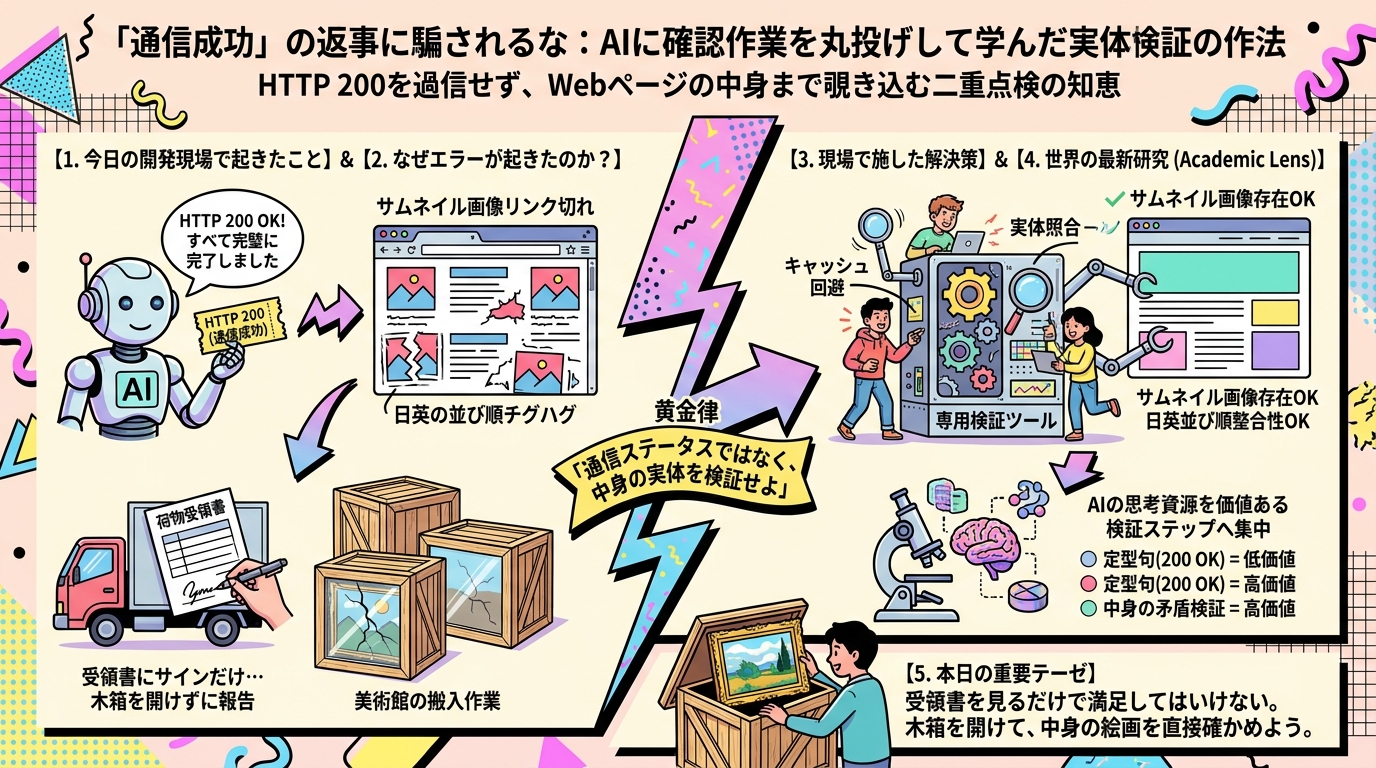
Don't Be Deceived by a 'Connection Successful' Response: Lessons in Live Content Verification from Delegating Quality Checks to AI
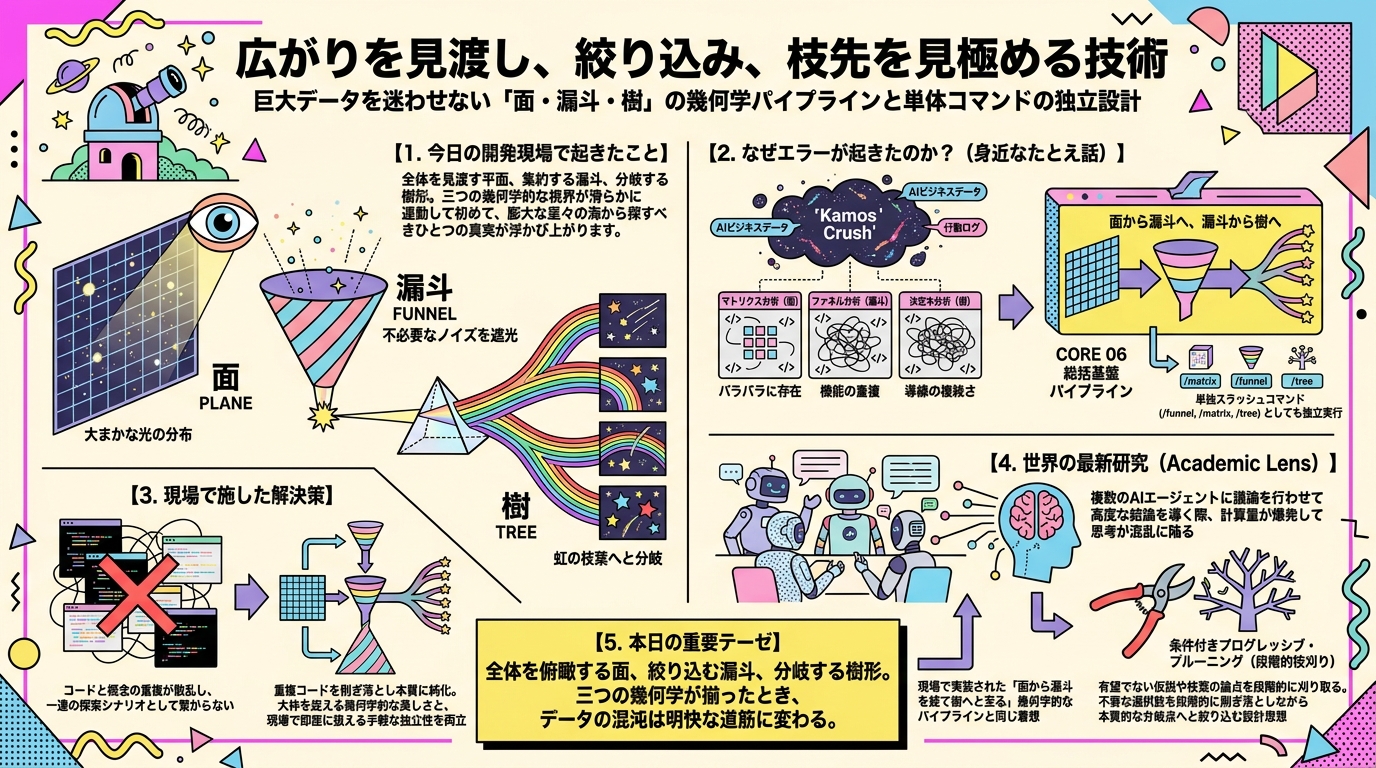
The Art of Surveying the Field, Narrowing Down, and Discerning the Branches
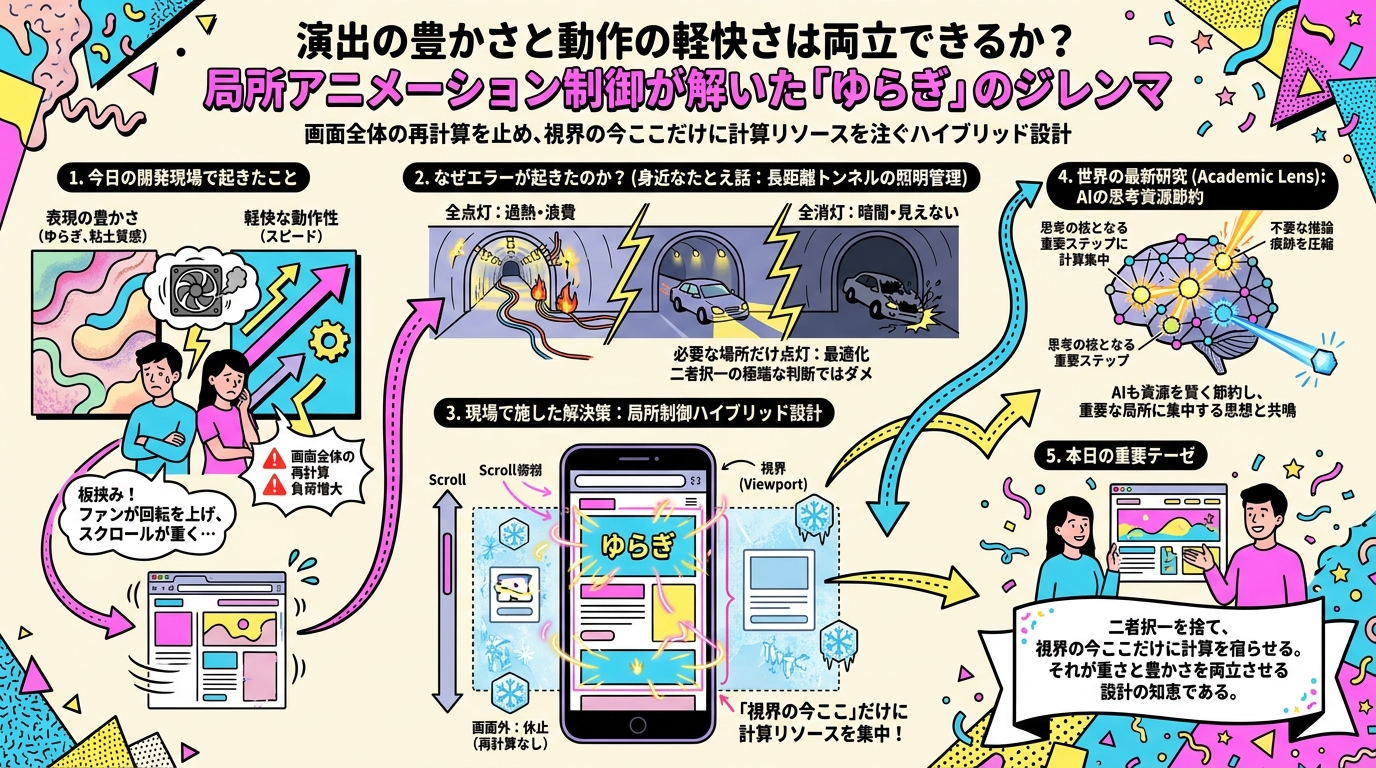
Can Expressive Richness Coexist with Nimble Performance? How Scoped Animation Control Solved the "Fluctuation" Dilemma
Current
The Gears of Timezones and Translation Stirring Behind the Screen: An X-Ray of the Bilingual Automated Delivery Pipeline
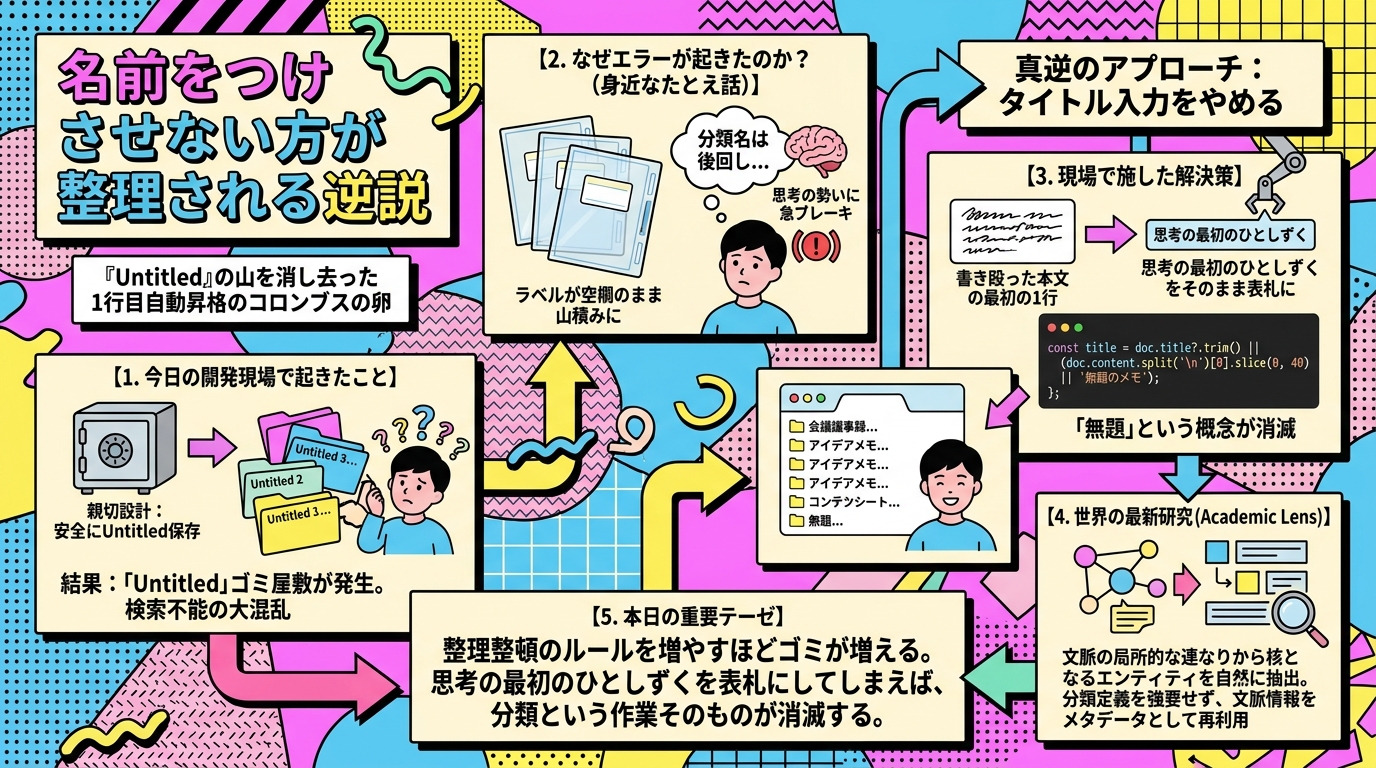
The Paradox of Order: Why Not Asking for Titles Actually Cleans the Clutter
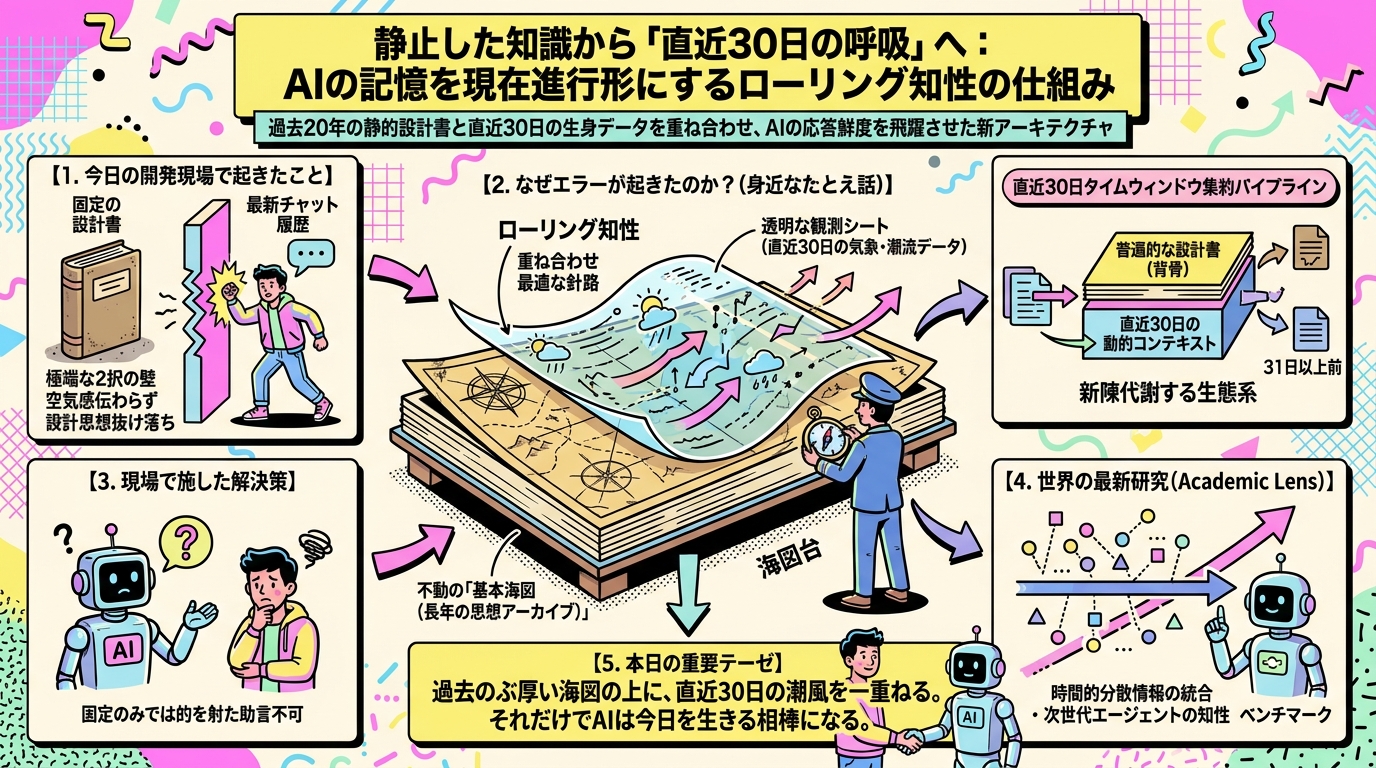
From Static Knowledge to the Pulse of the Last 30 Days: How Rolling Intelligence Keeps AI Memory in the Present Tense
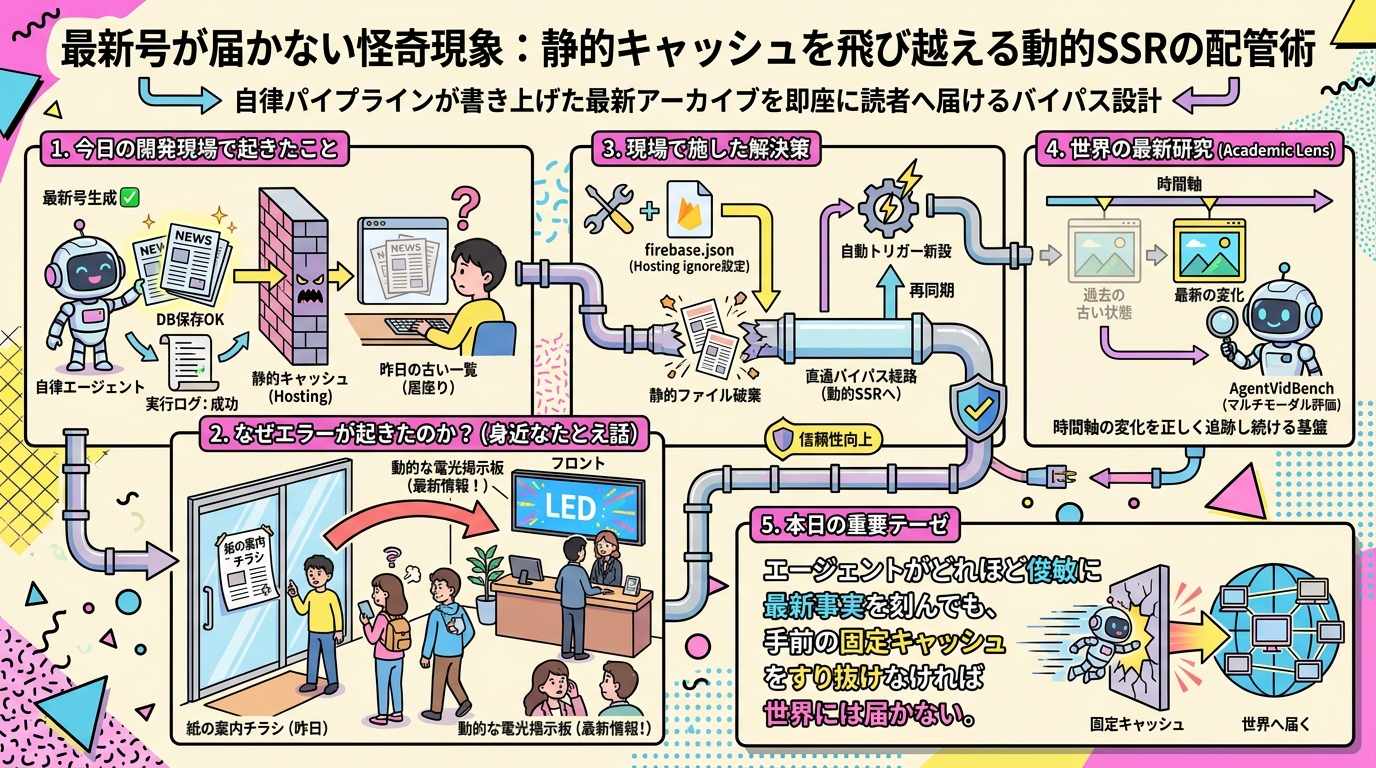
The Mystery of the Missing Issue: Plumbing Dynamic SSR to Bypass Static Cache
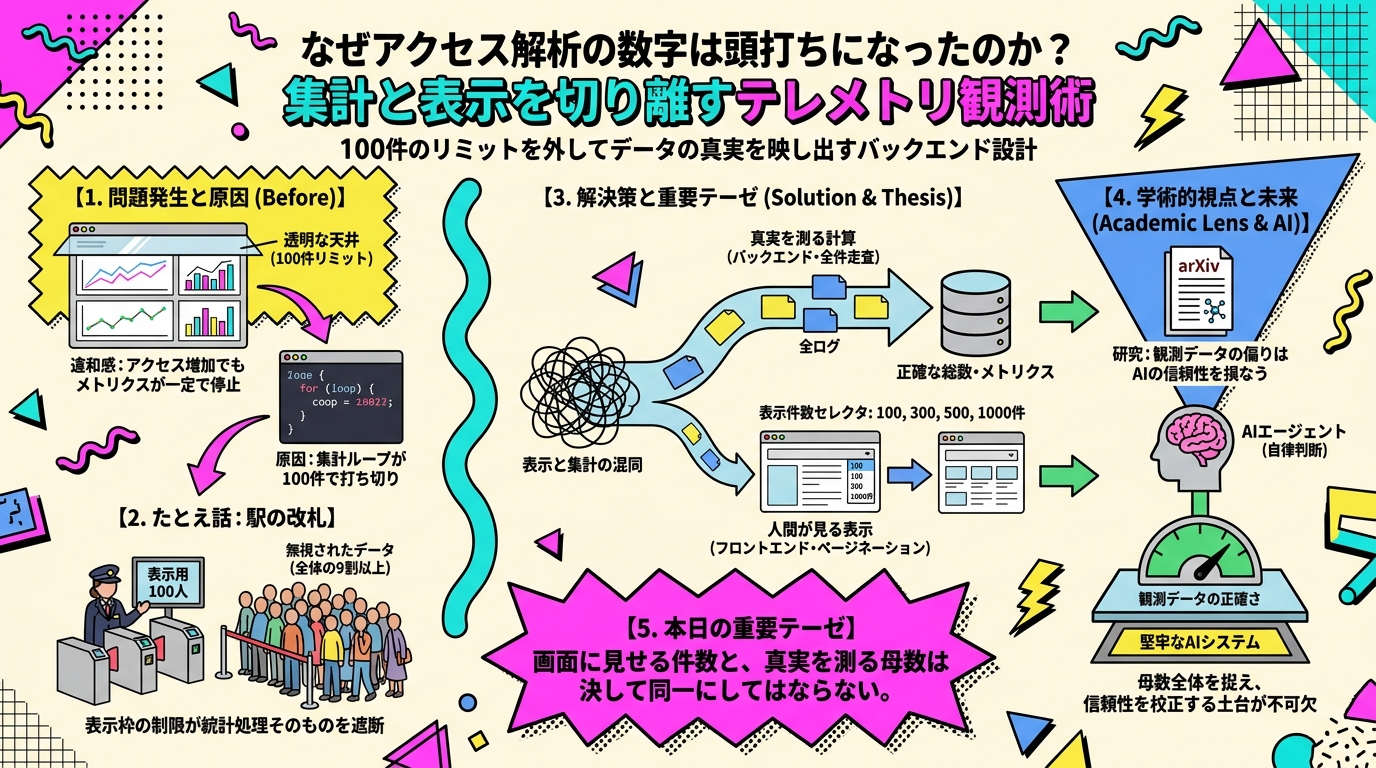
Why Did Access Analytics Hit an Artificial Ceiling? Telemetry Observability by Decoupling Aggregation from Display
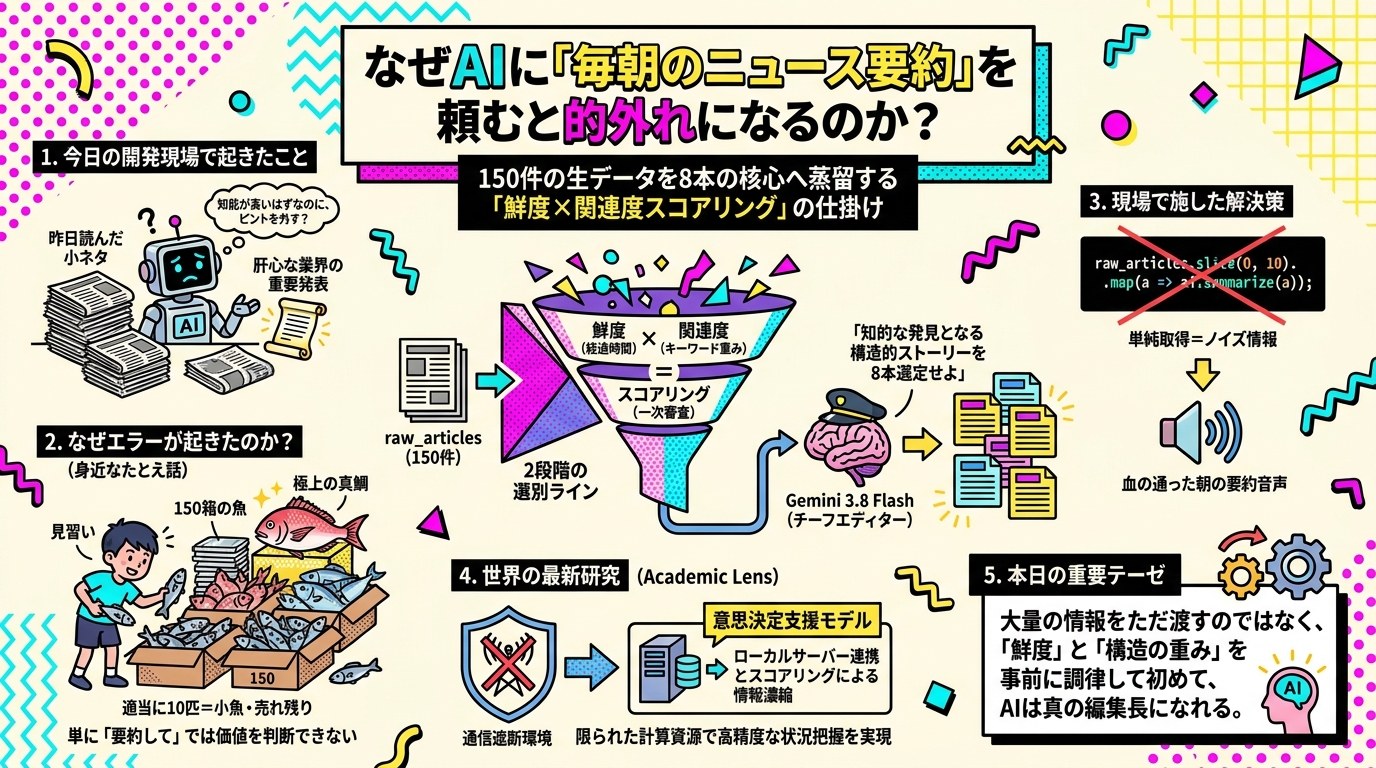
Why Asking AI to Summarize 'Morning News' Always Misses the Mark
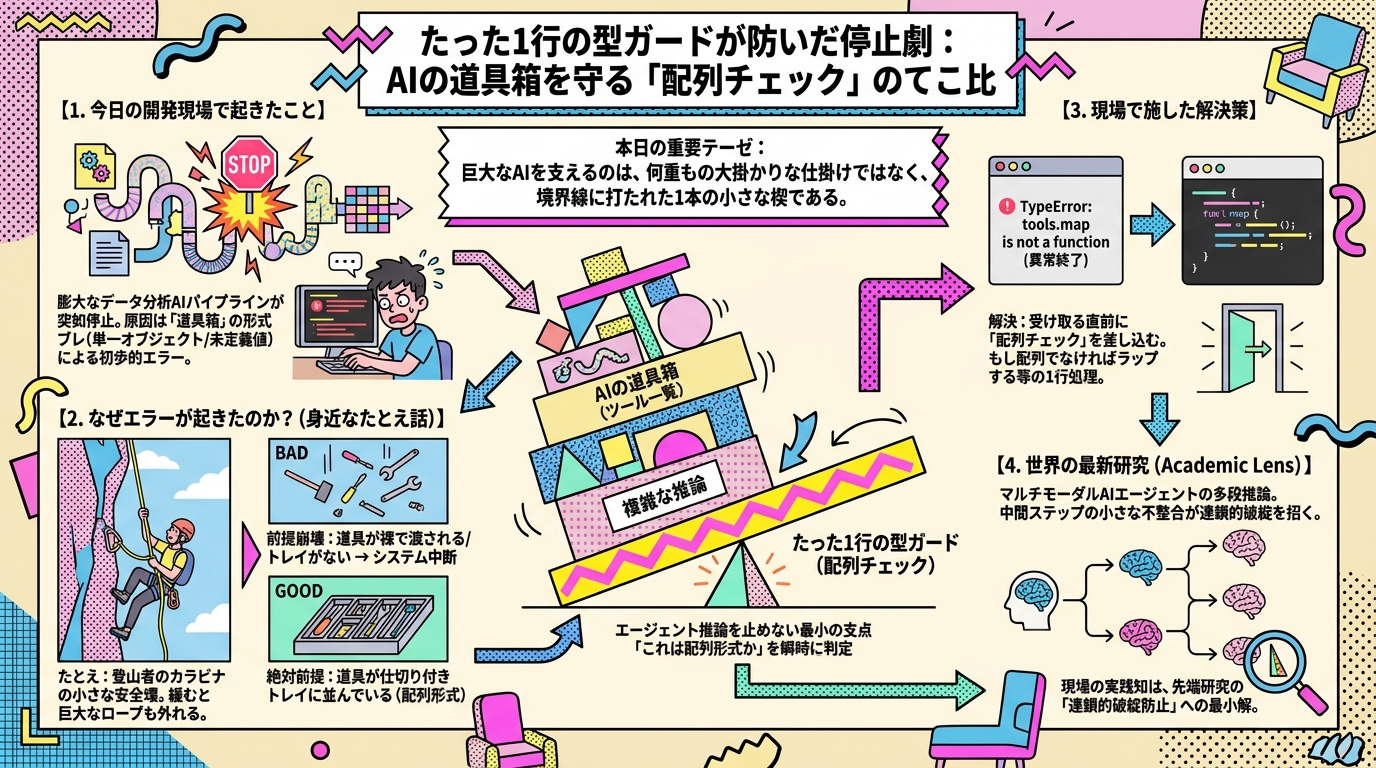
A Single-Line Type Guard That Prevented a Crash: The Leverage Ratio of 'Array Checks' in Protecting the AI's Toolbox